


Why Does the Skin Barrier Break Down in Summer?
Summer Skin Health Guide
Why Does the Skin Barrier Break Down in Summer?
Your skin may look oily during summer while still feeling tight, rough, sensitive or dehydrated. If products that previously felt comfortable suddenly sting, the problem may be more than ordinary dryness. Sun exposure, heat, perspiration, air conditioning, sea water, chlorine and an overly aggressive skincare routine can all disrupt the skin barrier.
At Efem Clinic in Levent, Istanbul, our approach is not to force irritated skin with more active ingredients or unnecessary procedures. We first assess why the barrier has become sensitive, reduce avoidable irritation and rebuild the skincare plan according to what the skin currently needs.
Request a Complimentary Consultation Explore Medical SkincareYou may send clear, unfiltered photographs taken in natural light through WhatsApp. A remote preliminary review does not replace an in-person medical examination or dermatological diagnosis.
Quick Answer
Sun and Heat
Prolonged UV and heat exposure may increase water loss, sensitivity, redness and inflammation.
Sweat and Friction
Sweat left on the skin, repeated wiping and friction from hats or clothing can contribute to irritation.
Sea, Pool and Air Conditioning
Salt water, chlorinated water and dry air-conditioned environments may disrupt the skin’s moisture and lipid balance.
Too Many Active Ingredients
Combining acids, retinoids, exfoliants, clay masks and strong cleansers may push an already sensitive barrier further.
The key principle: when the skin barrier becomes irritated, the answer is usually not to add more treatments. Simplifying the routine, reducing triggers and allowing the skin time to settle may be more appropriate.
What Is the Skin Barrier?
The skin barrier is the protective outer part of the skin that separates the body from the external environment. It is formed by skin cells, natural lipids and the organised connections between them.
A healthy barrier helps reduce unnecessary water loss and limits the entry of environmental irritants. When this protective structure becomes disrupted, the skin may lose water more easily and react to heat, friction or skincare products that previously caused no difficulty.
Skin-barrier damage is therefore not limited to visibly dry skin. Oily, combination and acne-prone skin can also become dehydrated, sensitive and irritated.
9 Reasons the Skin Barrier Becomes Disrupted in Summer
1. Intense Sun Exposure
Ultraviolet radiation is associated not only with pigmentation and premature skin ageing. Excessive exposure may also contribute to redness, dryness, sensitivity and inflammation. Sunburn is a more obvious form of barrier damage.
2. Hot Weather and Increased Perspiration
Perspiration is part of the body’s natural cooling system. However, sweat remaining on the skin, its salt content and repeatedly wiping the face may increase irritation, particularly in sensitive skin.
3. Air Conditioning and Temperature Changes
Moving repeatedly between hot, humid outdoor conditions and dry, air-conditioned rooms may affect the skin’s moisture balance. Long periods directly in front of air conditioning can contribute to tightness and dryness.
4. Salt Water
Sea water may initially feel refreshing. However, salt drying on the skin may cause tightness and sensitivity in some people. Rinsing the skin with fresh water after swimming can help.
5. Chlorinated Pool Water
Chlorinated water may affect the skin’s natural surface lipids. People who swim frequently may notice dryness, itching or tightness. Showering after leaving the pool and applying a suitable moisturiser may support skin comfort.
6. Washing the Face Too Frequently
When oiliness and perspiration increase, washing the face repeatedly with strong cleansers can feel logical. In reality, excessive cleansing may remove protective surface oils and increase tightness or sensitivity.
7. Harsh Exfoliation
Using physical scrubs, clay masks, acids, retinoids and acne treatments together may cause burning, peeling and redness.
8. Removing Sunscreen Too Aggressively
Water-resistant sunscreen, makeup, perspiration and daily residue should be removed gently in the evening. Scrubbing the skin or using several strong cleansers one after another is not necessary.
9. Products That Do Not Suit the Skin
Heavy, highly fragranced, strongly alcohol-based or unnecessarily active formulations may contribute to congestion, stinging, itching or irritation in some skin types. There is no single summer routine that suits everyone.
Signs of a Damaged Skin Barrier
Tightness and Dryness
The skin may feel tight shortly after cleansing or develop flaking and a rough surface.
Stinging or Burning
A moisturiser or sunscreen that previously felt comfortable may suddenly cause discomfort.
Redness
Heat, showering, sun exposure or skincare products may trigger redness more easily than before.
Oily but Dehydrated Skin
The surface may look shiny while the skin simultaneously feels tight, sensitive or lacking in moisture.
More Breakouts
Sweat, friction, heavy products and excessive cleansing may contribute to blocked pores and acne-like breakouts.
Uneven Makeup
Foundation or concealer may collect in dry areas and make skin texture appear more obvious.
Damaged Barrier vs Dehydrated Skin vs Oily Skin
| Condition | Common Signs | Common Triggers | First Approach |
|---|---|---|---|
| Barrier disruption | Stinging, redness, flaking, roughness and increased sensitivity | Too many active products, sunlight, friction and harsh cleansing | Simplify the routine and reduce irritants |
| Dehydrated skin | Tightness, dullness and temporarily more visible fine lines | Air conditioning, heat, insufficient moisturising and over-cleansing | Gentle hydration and reducing water loss |
| Oily skin | Shine, visible pores and a tendency toward congestion | Genetics, hormones, heat and heavy products | Gentle cleansing and suitable non-comedogenic products |
| Active dermatological condition | Severe itching, widespread rash, crusting, swelling or persistent redness | Conditions such as eczema, contact dermatitis, rosacea or infection | Dermatological assessment |
These conditions may overlap. A definite distinction cannot always be made from a photograph or one symptom alone.
Is Your Skin Oily but Still Tight?
Visible oil does not necessarily mean the skin is well hydrated or that its barrier is healthy. Trying to dry the skin more aggressively may worsen sensitivity and contribute to a cycle of oiliness and irritation.
Request a Complimentary ConsultationA Simple Summer Routine for Skin-Barrier Support
Morning
- Use a gentle, non-abrasive cleanser when your skin needs cleansing.
- Apply a non-irritating moisturiser suitable for your skin type.
- Use broad-spectrum sunscreen with at least SPF 30.
- Add shade, a hat and protective clothing when spending extended time outdoors.
During the Day
- Blot perspiration gently instead of repeatedly rubbing the skin.
- Rinse with fresh water after swimming in the sea or a chlorinated pool when possible.
- Reapply sunscreen approximately every two hours while outdoors.
- Avoid sitting directly in front of an air-conditioning vent for long periods.
Evening
- Remove sunscreen, makeup, perspiration and daily residue gently.
- Reduce exfoliation and strong active ingredients if the skin is burning or visibly irritated.
- Applying moisturiser to slightly damp skin may help reduce water loss.
- Introduce new products one at a time rather than starting several together.
What Should You Avoid When the Skin Barrier Is Irritated?
Adding New Active Ingredients
Starting another acid, retinoid or pigmentation product while the skin is stinging may increase irritation.
Scrubs and Harsh Exfoliation
Trying to scrub away visible flaking may deepen irritation rather than speed recovery.
Very Hot Showers
Long, hot showers may remove natural surface lipids and increase dryness or itching.
Picking Spots
Picking irritated or inflamed skin may increase the risk of marks and uneven pigmentation.
Trying to Remove All Oil
Completely stripping oily skin can still cause more irritation and dehydration.
Unplanned Procedures
Peels and device-based treatments may need to be postponed when there is active redness, broken skin or significant irritation.
Which Clinical Approaches May Be Considered When Home Care Is Not Enough?
Not every sensitive or dehydrated skin condition requires a clinical procedure. The first step is often to reduce irritants and adjust the home routine. When clinical support is considered, the approach should depend on whether the skin is actively inflamed, the condition of the barrier, acne tendency and the actual treatment goal.
| Approach | Main Goal | Return to Daily Life | When It May Not Be Appropriate |
|---|---|---|---|
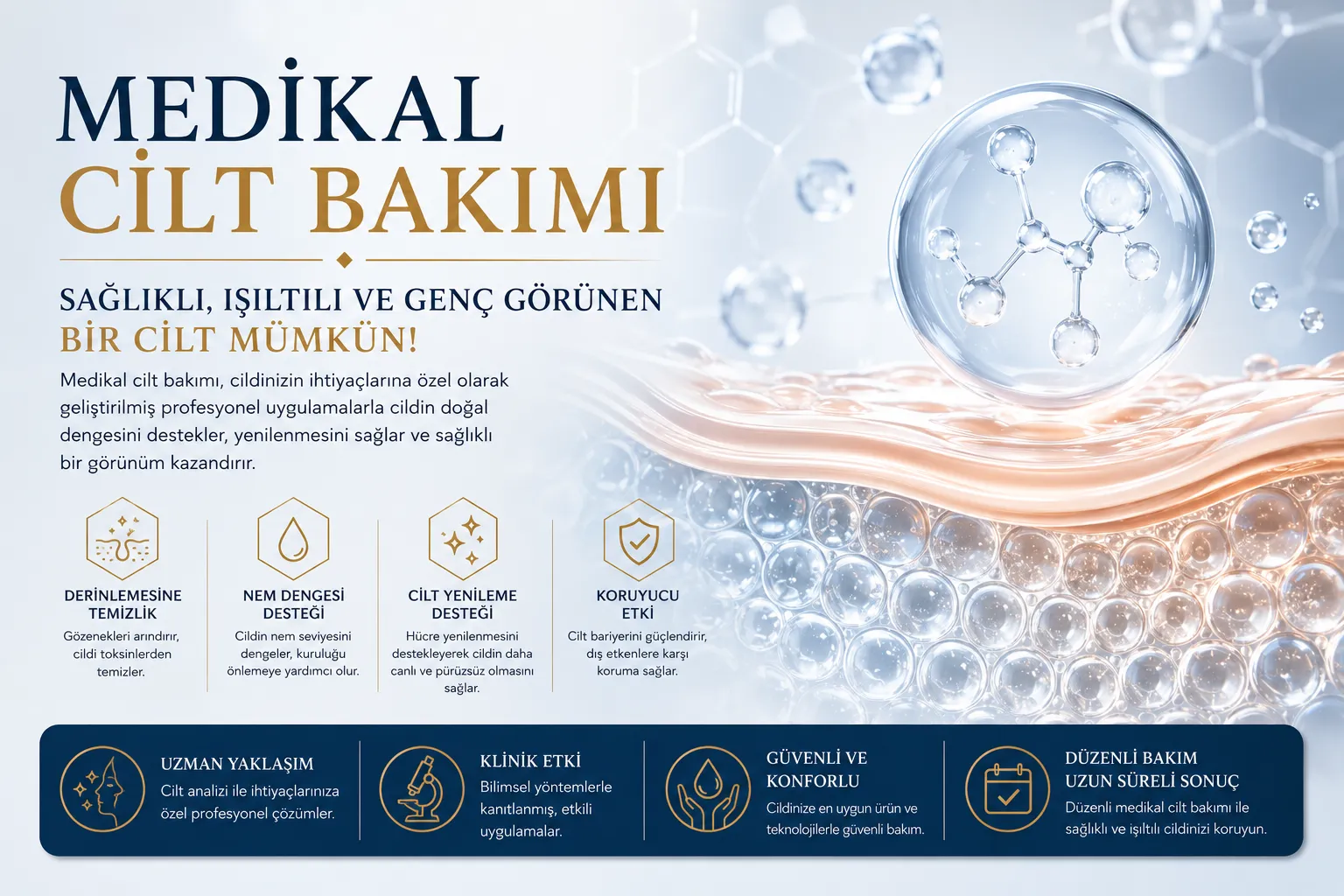
| Medical Skincare | Gentle cleansing, hydration, congestion management and barrier support | Usually rapid, although temporary redness may occur. | It may be postponed where there is active infection, broken skin or significant irritation. |
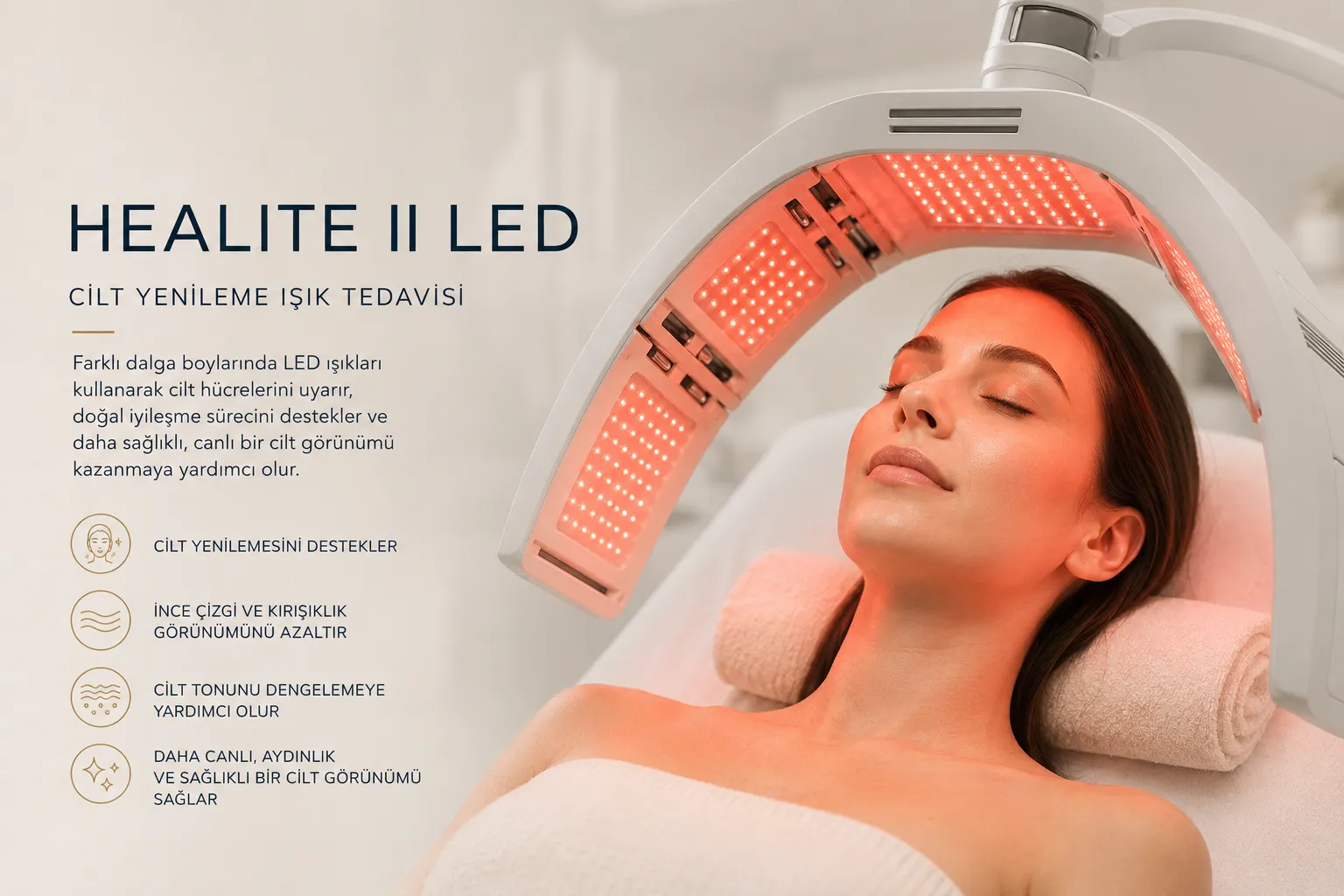
| Healite II LED Therapy | Support for skin comfort, visible redness and post-procedure recovery | Most patients can return to their routine immediately. | It does not diagnose or independently treat an underlying dermatological condition. |
| Frozen Face Pro Max | Needle-free ingredient delivery, hydration and general skin-quality support | Usually planned with a short return to normal activities. | It may not be appropriate during an active dermatological flare or ingredient sensitivity. |
| Mesotherapy and Skin Boosters | Hydration, radiance and skin-quality support | Temporary redness, sensitivity or small injection marks may occur. | The skin may need to settle first when there is active barrier disruption or significant irritation. |
Where damage or sensitivity has continued for a longer period, it may be helpful to review how damaged skin may be supported and seek dermatological assessment when necessary.
The Efem Method™: Calm the Barrier Before Treating the Skin
At Efem Clinic, visible sensitivity does not automatically lead to a recommendation for a peel, laser, mesotherapy session or intensive skincare package. We first assess which layer of the skin is affected and whether the sensitivity may be linked to a product, habit or previous procedure.
Our layered approach distinguishes between the skin surface, barrier function, pigmentation, vascular redness, texture, skin quality and deeper structural concerns. Not every layer requires a treatment.
For some patients, the most appropriate plan is simply to reduce the routine and give the skin time to recover. Others may be suitable for gentle medical skincare or LED support. More intensive procedures should only be considered after the skin has settled and the actual need is clear.
Less intervention, honest recommendations and avoiding unnecessary treatment are central principles of The Efem Method™.
Explore The Efem Method™ Why Personalised Treatment Matters
Personalised Planning with Dr. Abdurrahman Efem
Dr. Abdurrahman Efem is a medical aesthetic physician and a trainer appointed by the Turkish Ministry of Health in the field of medical aesthetics. He provides physician training in advanced applications including Endolift, Ultherapy, Morpheus8, advanced fillers and device-based treatment planning.
He has completed professional training and certification programmes in Paris and the United Kingdom. His approach is based on careful assessment, maintaining natural balance, limiting unnecessary intervention and explaining treatment limitations honestly.
During a skin-barrier assessment, the products being used, previous procedures, sun habits, acne or rosacea tendency, current sensitivity and the skin’s tolerance are considered together.
Meet Dr. Efem Read About His Philosophy and Expertise Request a Complimentary Consultation
A Premium and Discreet Villa Clinic in Levent
Efem Clinic is located in a private villa in Levent, Istanbul, within easy reach of Etiler, Beşiktaş, Bebek, Maslak and central Istanbul.
The garden, private parking and planned appointment system support a calm and discreet patient experience away from the atmosphere of a crowded hospital.
The clinic team includes Merve Akkaya and Dilek Ergül, experienced skincare professionals who also provide training in their respective fields.
Our goal is not to offer the highest possible number of procedures. It is to explain clearly which treatment may be appropriate, which may be unnecessary and when it may be safer or more sensible to wait.
Clinic Location and Contact Efem in the Media View the Results GalleryRelated Skincare Treatments and Summer Guides
Frequently Asked Questions
Why does the skin barrier become damaged more easily in summer?
Sun exposure, heat, perspiration, air conditioning, sea water, chlorine, frequent cleansing and excessive use of active ingredients may disrupt the skin’s moisture and lipid balance. Sensitivity can become more noticeable when several triggers occur together.
How can I tell whether my skin barrier is damaged?
Common signs include tightness, stinging, burning, flaking, redness, rough texture and products suddenly feeling uncomfortable. Similar symptoms may also occur with dermatological conditions.
Can oily skin have a damaged barrier?
Yes. An oily appearance does not prove that the skin is adequately hydrated or that its barrier is healthy. Oily skin can simultaneously be dehydrated, sensitive and irritated.
Does air conditioning damage the skin barrier?
Long periods in dry, air-conditioned environments may increase moisture loss and tightness. Avoiding direct airflow and using a suitable moisturiser may help support comfort.
Does sea water dry the skin?
Salt water may cause tightness and dryness when it remains on the skin. Rinsing with fresh water after swimming and applying a suitable moisturiser may help.
Can chlorine irritate the skin?
Chlorinated pool water may affect natural surface lipids. People who swim frequently may experience dryness, itching or increased sensitivity. Showering after swimming is sensible.
Does sweating damage the skin barrier?
Perspiration itself is not harmful. However, sweat remaining on the skin, tight clothing, friction and repeatedly wiping the face may increase irritation and breakout risk.
How often should I wash my face when the skin barrier is damaged?
For many people, gentle cleansing in the morning and evening is sufficient. Additional cleansing may be needed after heavy perspiration. Repeated use of strong cleansers throughout the day may increase irritation.
Should I stop retinol and acids when my skin barrier is irritated?
If there is burning, visible redness or peeling, the frequency of strong active ingredients may need to be reduced or temporarily paused. Prescribed products should not be changed without medical advice.
How long does a damaged skin barrier take to recover?
Recovery time depends on the severity of irritation, whether the triggers continue and the individual skin condition. Mild irritation may settle within days, while more significant or chronic problems may require longer follow-up.
Which moisturiser is suitable for a damaged skin barrier?
A non-irritating, fragrance-free product suitable for the skin type is often preferred. Ingredients such as ceramides and glycerin may be helpful for some people, but no single product is suitable for everyone.
Can medical skincare be performed when the skin barrier is damaged?
Treatment may be postponed where there is active infection, broken skin or significant irritation. With mild sensitivity, a gentle and personalised protocol may be considered instead of aggressive extraction or exfoliation.
Can Healite II repair the skin barrier?
Healite II may be considered to support skin comfort, visible redness and post-procedure recovery in suitable patients. It should not be presented as a guaranteed barrier repair or as a substitute for diagnosing an underlying dermatological condition.
Should I use sunscreen when my skin barrier is damaged?
Sun protection remains important. However, a formula that causes stinging may need to be replaced with one that better suits sensitive skin. Shade and physical protection should also be included.
When should I see a dermatologist about skin-barrier symptoms?
Dermatological assessment is advisable where there is severe itching, swelling, a spreading rash, open skin, discharge, suspected infection, persistent redness or sensitivity that does not improve with a simplified routine.
Dr. Efem’s Note
One of the most common mistakes when the skin barrier is disrupted is adding more products and procedures because the skin looks worse. In reality, the skin may be reacting not to something that is missing, but to something being used excessively. Reducing irritation, simplifying the routine and giving the skin time to recover should come first. More intervention does not always mean faster improvement.
Has Your Skin Become Sensitive During Summer?
Send clear, unfiltered photographs and a list of the products you use through WhatsApp to request a complimentary preliminary consultation. Our team can provide general guidance about simplifying your routine, arranging an in-clinic assessment or seeking dermatological review.
Request a Complimentary Consultation Contact Efem ClinicDoctor-led planning • Barrier-conscious approach • Honest recommendations • Premium and discreet villa clinic
About Dr. Abdurrahman Efem

Dr. Abdurrahman Efem
Dr. Abdurrahman Efem is a medical aesthetic physician specializing in facial rejuvenation, non-surgical aesthetic treatments, and regenerative medicine. His approach focuses on enhancing natural beauty through personalized treatment plans designed around each patient's unique features and goals. Dr. Efem works with both local and international patients, emphasizing balanced, natural-looking results and long-term aesthetic wellbeing. This content has been prepared or medically reviewed by Dr. Abdurrahman Efem to ensure accuracy and relevance.