

Sun Protection After Medical Aesthetic Treatments: The Complete Guide
Aftercare Guide
Sun Protection After Medical Aesthetic Treatments: The Complete Guide
Sun protection isn't a footnote in aftercare instructions – for many treatments, it's the single factor that determines whether your results look their best or fall short. This guide covers general sun protection principles and exactly what changes after specific treatments like Endolift, Morpheus8, XERF, Ultherapy, chemical peels and pigmentation treatments.
Ask About Your Aftercare on WhatsApp Book a ConsultationJump to a section:
SPF Basics Why It Matters After Treatment By Treatment Pigmentation Treatments Sun in Istanbul FAQ
SPF Basics: What Actually Matters
Before getting into treatment-specific advice, it's worth covering the fundamentals, since a surprising number of patients apply sunscreen inconsistently even when they think they're doing it correctly.
SPF number: SPF 30 blocks around 97% of UVB rays; SPF 50 blocks around 98%. The difference sounds small, but for post-treatment skin, that extra margin matters. SPF 30 is the general minimum recommended, with SPF 50 often preferred after aesthetic procedures.
Broad-spectrum matters more than the number: SPF alone only measures UVB protection. Always look for "broad-spectrum" on the label, which indicates UVA protection as well – UVA rays penetrate deeper and are a major driver of pigmentation and premature ageing, which is especially relevant after skin-quality treatments.
Reapplication is where most people fail: Sunscreen needs reapplying roughly every two hours when outdoors, and immediately after sweating or swimming, regardless of "water-resistant" claims. A single morning application is not enough for a full day outside.
Amount matters: Most people apply far less than the amount used in SPF testing. For the face alone, roughly a quarter to half a teaspoon is the commonly cited guideline – noticeably more than most people intuitively use.
Why Sun Protection Matters More After Treatment
Many medical aesthetic treatments work by creating controlled changes in the skin – heat-induced collagen remodelling, micro-injury from needling, or removal of the outer skin layer. During the healing window that follows, skin is often more vulnerable to UV damage than usual, for a few consistent reasons: the skin barrier may be temporarily compromised, new tissue and pigment-producing cells can be more reactive to UV exposure, and inflammation from treatment combined with UV exposure can increase the risk of post-inflammatory hyperpigmentation – dark patches that form where skin was irritated.
This last point deserves emphasis: unprotected sun exposure after a treatment doesn't just risk undoing your results. In some cases, particularly with darker skin tones or more intensive treatments, it can actively cause a new pigmentation problem where none existed before.
Not Sure What Aftercare Applies to Your Treatment?
Send us a message on WhatsApp with the treatment you're considering or recovering from. We'll give you the specific sun protection guidance that applies to your situation.
Ask on WhatsAppSun Protection by Treatment Type
Not every treatment carries the same level of sun sensitivity. Here's a realistic breakdown of what to expect and how long extra caution is needed.
| Treatment | Sun Sensitivity Level | Extra Caution Period |
|---|---|---|
| Endolift, XERF | Moderate | 1–2 weeks |
| Morpheus8 | Higher (broken skin barrier) | 2–4 weeks |
| Ultherapy | Low-moderate | 1–2 weeks |
| Dermal fillers | Low | Few days (swelling-related) |
| Chemical peels | Very high | 2–4 weeks, often longer |
| Q-Switch, Lumecca, pigmentation lasers | Extremely high | 4+ weeks, strict avoidance |
These are general guidelines, not a substitute for the specific aftercare instructions given after your session, which account for your skin type, the settings used, and the season.
Endolift and XERF: Why Sun Care Supports Collagen Remodelling
Both Endolift and XERF work by triggering a gradual collagen-remodelling response that continues for weeks after treatment. Since UV exposure is one of the primary drivers of collagen breakdown, unprotected sun during this window works directly against the process your treatment is trying to support.
Broad-spectrum SPF 30–50, applied daily and reapplied if outdoors, is generally sufficient here – this isn't an area requiring total sun avoidance, but consistency matters more than intensity.
Morpheus8: Extra Care for Broken Skin
Morpheus8 physically punctures the skin through microneedling, which means the skin barrier is genuinely compromised for several days afterward, not just theoretically more sensitive. Direct sun exposure during the initial healing phase carries a meaningfully higher risk of pigmentation issues than with non-needling treatments.
Sun protection here means both sunscreen once the skin has closed enough to tolerate it, and physical avoidance (shade, hats) in the first few days when the skin may be too sensitive for topical products.
Chemical Peels: The Strictest Sun Rules
A chemical peel removes some portion of the outer skin layer, leaving fresh, unprotected skin underneath. This new skin has minimal natural UV defence, which is why peels carry the strictest sun protection requirements of almost any treatment we offer.
Depending on the depth of the peel, strict sun avoidance (not just sunscreen, but minimising outdoor exposure entirely) is often recommended for at least 2 weeks, with continued diligence for a month or more afterward. This is one of the few areas where "I'll just wear sunscreen" isn't considered sufficient on its own during the earliest days.
Pigmentation Treatments: Q-Switch, Lumecca and Baby Face Ultra
This is worth its own section, because treatments like Q-Switch laser, Lumecca and Baby Face Ultra are specifically designed to target pigment in the skin – which means the skin is, by definition, in a more reactive state regarding pigmentation immediately afterward.
These treatments are genuinely effective for sun spots, uneven tone and pigmentation concerns, but there's an honest tension worth naming: this is precisely why we don't love scheduling them at the height of intense summer sun. Treated skin needs strict, consistent sun avoidance to heal correctly and avoid rebound pigmentation, and that's a harder standard to maintain during peak summer travel and beach season than during cooler months.
If you're specifically dealing with sun spots or uneven tone, our full pigmentation treatment guide covers these options and timing considerations in more depth. The short version: these treatments work best when planned around a period where you can genuinely commit to strict sun protection, not squeezed in right before a beach holiday.
Considering a Pigmentation Treatment?
Send us a photo of your concern on WhatsApp. We can advise on timing so your treatment and recovery fit realistically around your travel and sun exposure plans.
Ask on WhatsAppSun Protection If You're Visiting Istanbul for Treatment
Istanbul has a strong Mediterranean-influenced sun exposure, particularly from late spring through early autumn, with UV levels that can catch visitors off guard, especially those arriving from cloudier climates. If you're travelling to Efem Clinic for treatment, it's worth factoring local sun conditions into your aftercare planning.
For international patients, this often means: packing broad-spectrum SPF before you arrive rather than relying on finding the right product locally, planning sightseeing for cooler parts of the day if your treatment requires sun avoidance, and being realistic about how a beach or pool day fits into your recovery timeline before booking it.
Related Guides
Aftercare Is Part of the Treatment, Not an Afterthought
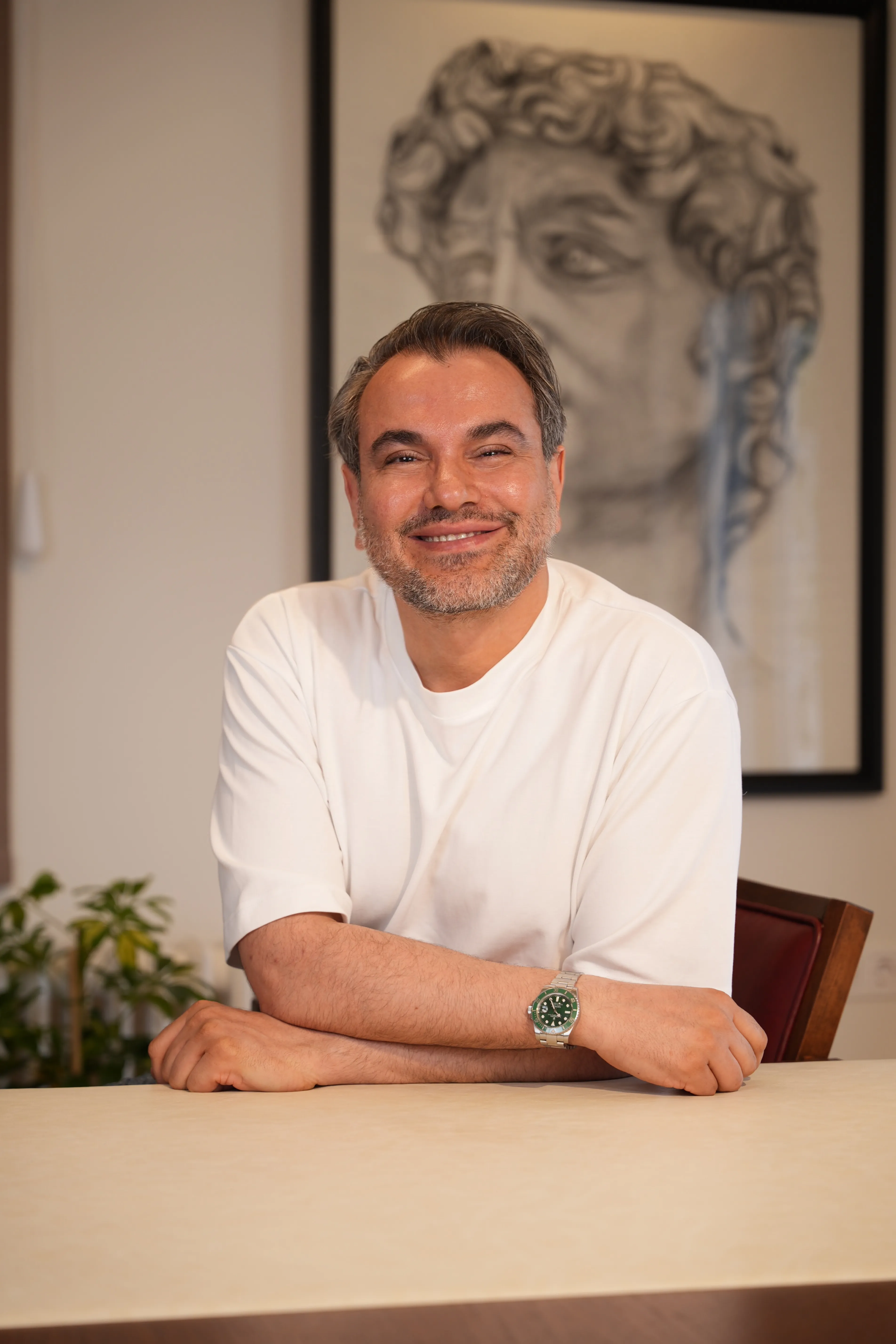
Dr. Abdurrahman Efem is a medical aesthetic physician and ministry-appointed medical aesthetics trainer. Every treatment plan includes specific sun protection guidance tailored to what was actually done and your individual skin, because a great procedure followed by poor sun care can genuinely undermine the result, following the Efem Method.
Meet Dr. Efem Ask on WhatsAppFrequently Asked Questions
What SPF should I use after a medical aesthetic treatment?
Broad-spectrum SPF 30 to 50 is generally recommended, with the higher end preferred after more intensive treatments like peels or pigmentation lasers. Broad-spectrum coverage matters as much as the SPF number itself.
Can I go in the sun right after Endolift or XERF?
Direct, unprotected sun exposure is best avoided during the initial healing period, but these treatments don't require the strict avoidance that peels or pigmentation lasers do. Consistent SPF use is usually sufficient once any initial swelling has settled.
Why is sun protection stricter after chemical peels?
Peels remove part of the outer skin layer, leaving fresh skin with minimal natural UV defence. This makes it significantly more vulnerable to sun damage and pigmentation issues than skin treated with non-exfoliating procedures.
Why don't you like scheduling pigmentation treatments in peak summer?
Treatments like Q-Switch, Lumecca and Baby Face Ultra target pigment directly, which means treated skin needs strict, consistent sun avoidance to heal correctly. This standard is genuinely harder to maintain during intense summer sun and beach season, which can affect results.
Does sunscreen alone protect me enough after any treatment?
For most treatments, consistent sunscreen use is sufficient. For higher-risk treatments like peels or pigmentation lasers, physical sun avoidance (shade, timing, hats) in the earliest days is often recommended alongside sunscreen, not instead of it.
Can too much sun actually create new pigmentation problems after treatment?
Yes. Post-inflammatory hyperpigmentation can develop when inflamed or healing skin is exposed to UV light, potentially creating a new dark patch where one didn't exist before treatment.
How much sunscreen should I actually apply to my face?
Roughly a quarter to half a teaspoon for the face alone is the commonly cited guideline, which is more than most people intuitively apply.
Is Istanbul's sun different from what I'm used to at home?
Istanbul has a strong Mediterranean-influenced sun exposure, particularly from late spring through early autumn, which can be more intense than many visitors expect, especially those arriving from cloudier climates.
Doctor’s Note
I've had patients ask why I care so much about something as ordinary as sunscreen. The honest answer is that it's not ordinary in the context of a healing treatment – it's often the single variable a patient has the most control over that determines whether a good procedure becomes a great result. I'd rather spend an extra two minutes explaining exactly why and how to protect the skin than watch a well-planned treatment underperform because of something entirely preventable.
Planning a Treatment? Let's Talk Timing Too
Send your photos and question on WhatsApp. We'll walk you through the specific aftercare, including sun protection, that applies to your treatment plan.
Ask on WhatsApp Contact Efem ClinicDoctor-led treatment planning · Private villa clinic in Levent · International patient support
About Dr. Abdurrahman Efem
Dr. Abdurrahman Efem
Dr. Abdurrahman Efem is a medical aesthetic physician specializing in facial rejuvenation, non-surgical aesthetic treatments, and regenerative medicine. His approach focuses on enhancing natural beauty through personalized treatment plans designed around each patient's unique features and goals. Dr. Efem works with both local and international patients, emphasizing balanced, natural-looking results and long-term aesthetic wellbeing. This content has been prepared or medically reviewed by Dr. Abdurrahman Efem to ensure accuracy and relevance.