

Endolift Aftercare
A Safe Recovery and Daily Care Guide After Endolift
Endolift Aftercare: The First 72 Hours, Swelling, Exercise, Showering, Massage and Warning Signs
Endolift aftercare includes protecting the fibre-entry points, monitoring swelling and tenderness, avoiding unnecessary pressure on the treated area and reporting unexpected symptoms promptly. The exact aftercare plan may vary according to the area treated, the extent of the procedure and the patient’s medical history.
There is no single Endolift aftercare protocol that is suitable for every patient. Instructions from the treating doctor should take priority over general internet advice, social-media videos and another patient’s recovery routine.
Send Your Symptoms on WhatsApp Explore Endolift Treatment Read the Recovery GuideSeek prompt medical assessment if you develop severe or worsening pain, rapidly increasing swelling, spreading redness, marked warmth, discharge, fever, blistering, skin darkening, new muscle weakness, difficulty breathing or swallowing, or any visual change.
Keep them clean, dry and protected from unnecessary contact.
The overall trend should generally be towards gradual improvement.
Avoid strong pressure or aggressive massage unless advised.
Unexpected or worsening symptoms should be reported promptly.
Quick Answer: What Should You Do After Endolift?
After Endolift, protect the treated area from unnecessary pressure, keep the fibre-entry points clean according to your personal instructions, limit strenuous exercise and excessive heat during early recovery and do not massage the area unless advised by your doctor.
Swelling, bruising, tenderness, temporary numbness and firmness beneath the skin may occur. These symptoms should generally become less noticeable over time.
Medication, creams, cold applications, compression garments and massage are not routine for every patient. They should only be used according to individual medical advice.
Do not wait if you develop increasing pain, rapidly enlarging swelling, discharge, fever, blistering, skin darkening, movement changes, breathing or swallowing difficulty, or visual symptoms.
Why Is Endolift Aftercare Important?
Endolift is a minimally invasive procedure in which a fine optical fibre is advanced within selected subdermal tissue planes. Aftercare is therefore not limited to applying products to the skin surface.
The main aims of aftercare are to:
- Protect the fibre-entry points
- Monitor swelling and bruising
- Avoid unnecessary trauma to the treated area
- Recognise possible infection or thermal injury early
- Observe nerve function and symmetry
- Avoid unnecessary intervention during healing
- Assess the result at the appropriate time
Appropriate aftercare cannot eliminate every complication, but it can support safer follow-up and earlier assessment when necessary.
The First 24 Hours After Endolift
Swelling, tightness, tenderness or numbness may occur during the first day because of local anaesthesia, tissue response and the procedure itself.
General precautions during the first 24 hours include:
- Do not apply strong pressure to the treatment area.
- Avoid unnecessary contact with the fibre-entry points.
- Wash your hands before touching the area.
- Do not massage the area or perform facial exercises unless advised.
- Avoid very hot showers, saunas, steam rooms and hammams.
- Postpone strenuous exercise and heavy lifting.
- Follow instructions regarding alcohol, smoking and nicotine.
- Use only the medication and products that have been recommended.
- Monitor swelling, pain, skin colour and facial movement.
Your appearance on the day of treatment is not the final result. Swelling may make the area appear fuller, while early tissue contraction may temporarily make other areas appear tighter.
Having a clear communication plan and, where appropriate, someone available during the first evening may be helpful after a more extensive treatment.
The First 72 Hours
Swelling may become more noticeable during the first one or two days rather than immediately after treatment.
During the first 72 hours:
- Observe swelling and tenderness regularly.
- Temporary differences between the two sides may occur because of oedema.
- Avoid sleeping directly on the treatment area.
- Keep the entry points clean and dry as instructed.
- Do not apply random creams, antibiotics, antiseptics or herbal products.
- Contact the clinic if severe pain or rapid worsening occurs.
Symptoms do not have to look identical every day. The overall direction should be gradual improvement rather than deterioration.
Caring for Fibre-Entry Points
The fibre-entry points may be small, but they should be protected until skin integrity has been restored.
- Do not touch the entry points with unwashed hands.
- Do not pick at small crusts.
- Do not apply plasters or occlusive products unless advised.
- Ask when you can return to swimming pools, the sea or shared wet areas.
- Report discharge, odour or an entry point that does not close.
- Do not apply make-up directly over an open entry point.
Use the cleaning method and products recommended by the clinic.
How Should Swelling Be Managed?
Swelling may occur because of the procedure and the tissue response. Management should be personalised according to the treatment area and medical history.
General considerations may include:
- Sleeping with the head slightly elevated when advised
- Limiting intense exercise and excessive heat
- Avoiding strong pressure on the treated area
- Maintaining appropriate hydration
- Limiting very salty food when appropriate
- Avoiding unapproved diuretics or herbal products
Cold application is not automatically suitable for every patient or treatment area. When recommended, the method, duration and way it contacts the skin should be explained clearly.
Rapidly increasing, very hard, markedly one-sided or severely painful swelling, or swelling that affects breathing or swallowing, should not be managed as routine recovery at home.
What Should You Do About Bruising?
Bruising may occur when small blood vessels are affected. It can change colour as it heals.
- Do not rub the bruise aggressively.
- Do not use medication or supplements that may affect bleeding without approval.
- Do not stop prescribed medication without medical advice.
- Use appropriate sun protection.
- Report rapidly expanding bruising or tense swelling.
Before using make-up to cover bruising, wait until the entry points have closed and the clinic has approved it.
What Should You Do About Pain?
Mild tenderness, aching or pressure may occur. Use only the pain medication that has been recommended.
Pain should be assessed more promptly if it:
- Becomes progressively worse
- Feels burning or electric
- Occurs with redness and marked warmth
- Is associated with discharge or an unpleasant smell
- Occurs with altered muscle movement
- Cannot be controlled with the recommended medication
For information about discomfort during the procedure, read Is Endolift painful?
When Can You Shower?
Shower timing may depend on the condition of the entry points and the treatment area.
- Follow the instructions for protecting the entry points.
- Avoid very hot water.
- Do not scrub the treatment area with a rough cloth or exfoliating glove.
- Pat the area gently rather than rubbing it dry.
- Ask which cleanser is suitable.
Saunas, hammams, steam rooms and hot baths are not equivalent to a normal shower and may require a longer waiting period.
When Can You Wear Make-Up?
Make-up may be unsuitable before the fibre-entry points have closed and skin integrity has been restored.
- Use clean brushes and sponges.
- Do not apply products with strong pressure.
- Do not cover open entry points.
- Avoid exfoliating or highly active products.
- Remove make-up gently.
The clinic should determine the appropriate timing according to the area treated and the healing progress.
Skincare Products After Endolift
Using more products does not necessarily mean better aftercare.
The following should not be restarted during early recovery without approval:
- Retinoids
- Alpha- and beta-hydroxy acids
- Chemical peeling solutions
- High-strength vitamin C
- Alcohol-based toners
- Physical scrubs
- Unregulated herbal oils or mixtures
- Over-the-counter antibiotic or steroid creams
The timing of gentle cleansing, moisturising and sun protection should follow personal instructions.
Sun Protection After Endolift
Sun exposure may increase the risk of pigmentation when bruising, redness or inflammation is present.
- Avoid intense direct sunlight.
- Use physical protection such as a wide-brimmed hat.
- Apply sunscreen according to the condition of the entry points.
- Do not rub sunscreen aggressively into the skin.
- Avoid tanning beds.
Sunscreen selection should be based on the patient’s skin type and treatment area.
How Should You Sleep?
Sleeping position depends on the treated area. The aim is to reduce prolonged pressure and friction.
- Some patients may be advised to sleep with the head slightly elevated.
- Sleeping face-down may place pressure on the face or neck.
- Sleeping directly on one treated side may cause discomfort.
- Use a clean pillowcase.
- Avoid an excessively flexed neck position after neck treatment.
Personal sleeping advice should be based on the treatment area and swelling.
When Can You Exercise?
Intense exercise may increase circulation, swelling, bruising and tenderness.
| Activity | Aftercare Consideration |
|---|---|
| Light walking | May be resumed earlier depending on the patient, without excessive exertion. |
| Intense cardio | May need to be postponed because it can increase swelling and bruising. |
| Heavy lifting | Wait for medical approval because it may increase pressure and circulation. |
| Contact sports | Unsuitable during early recovery because of the risk of impact. |
| Swimming | Pools and the sea may be unsuitable before the entry points have healed. |
The treating doctor should determine the timing of return to exercise.
Sauna, Hammam and Excessive Heat
Saunas, hammams, steam rooms, hot yoga and very hot baths may increase redness and swelling during early recovery.
Shared wet environments may also be unsuitable before the fibre-entry points have completely healed.
Follow the waiting period recommended by the clinic.
Should You Massage the Area?
Not every firm, swollen or uneven area should be treated with massage.
Massage may be inappropriate when there is:
- A suspected burn
- A haematoma or active bleeding
- An infection
- Fat necrosis
- Nerve irritation
- Marked skin tenderness
- An open fibre-entry point
When massage is recommended, ask about the correct direction, pressure, duration and starting day.
Lymphatic massage or aggressive tissue-release techniques seen on social media should not be used without individual assessment.
Should You Wear a Compression Garment?
A chin strap or compression garment is not necessary for every patient.
An excessively tight garment may:
- Apply too much pressure to the treated area
- Irritate the skin
- Rub against fibre-entry points
- Distribute swelling inappropriately
- Increase discomfort and numbness
The need, pressure and duration of use should be determined by the doctor.
Medication After Endolift
Prescription medication should not be stopped or changed without medical advice.
- Use only the recommended pain medication.
- Do not start antibiotics on your own.
- Do not stop blood-thinning medication on your own.
- Remember that herbal supplements may affect bleeding risk.
- Report allergies or unexpected reactions.
- Tell the clinic about any new medication prescribed by another doctor.
Medication planning should be individualised according to the patient’s medical history.
Food and Hydration
There is no single scientifically established Endolift diet. Balanced nutrition and appropriate hydration may support general recovery.
- Eat balanced meals with adequate protein.
- Limit excessively salty food.
- Drink appropriate amounts of water.
- Avoid excessive alcohol.
- Do not use unregulated detox or oedema products.
- Report supplements that may affect bleeding.
Patients with specific medical or dietary conditions should follow advice from their own physician.
Smoking, Nicotine and Alcohol
Smoking and nicotine may negatively affect blood vessels and wound healing. Alcohol may affect swelling, fluid balance and bruising.
Cigarettes, electronic cigarettes, nicotine pouches and similar products should be disclosed during treatment planning.
The period of avoidance should be explained according to the patient’s health and the extent of treatment.
Flying After Endolift
Flight planning should consider not only swelling but also early follow-up needs and access to medical care at the destination.
International patients should discuss:
- The timing of the first review
- The recommended waiting period before flying
- How to communicate if unexpected symptoms develop
- The plan for photo or video follow-up
- Access to medical assessment in the destination country
- Heavy luggage and exertion during long journeys
The appropriate flight date should be determined according to the extent of the procedure.
Normal Recovery vs Warning Signs
| Symptom | May Occur During Recovery | Should Be Reported |
|---|---|---|
| Swelling | Mild or moderate and gradually improving | Rapidly increasing, very hard, one-sided or affecting breathing or swallowing |
| Pain | Mild tenderness or aching | Severe, worsening, burning or electric pain |
| Bruising | Limited and gradually changing colour | Rapidly expanding or associated with tense swelling |
| Numbness | Localised and gradually improving | Spreading, prolonged or associated with muscle weakness |
| Firmness | Becoming less tender over time | Growing, red, very painful or causing skin tethering |
| Redness | Mild and short-lived | Spreading, hot, painful or associated with discharge |
| Asymmetry | Related to swelling and gradually improving | Worsening or associated with altered facial movement |
When Should You Contact the Clinic?
Contact the treating clinic promptly if you develop:
- Severe pain that increases instead of improving
- Rapidly enlarging swelling
- Marked one-sided firmness or tension
- Spreading redness and warmth
- Discharge, unpleasant smell, fever or chills
- Blistering, an open wound, skin whitening or darkening
- Changed movement of the mouth corner or lower lip
- Spreading numbness or intense electric sensations
- Difficulty breathing or swallowing
- Any visual change after treatment around the eyes
Difficulty breathing, loss of vision, a severe allergic reaction, altered consciousness or rapidly worsening general health requires emergency medical care.
Follow-Up Appointments
Follow-up appointments are not only for before-and-after photography. They help assess whether healing is progressing safely.
- Fibre-entry points
- Swelling and bruising
- Skin colour and integrity
- Numbness and nerve function
- Firmness and nodules
- Facial or neck symmetry
- Contour and preservation of natural volume
- Development of the collagen response
For more information, read our Endolift recovery-time guide.
Is Aftercare the Same for the Face, Double Chin and Neck?
| Area | Key Aftercare Consideration |
|---|---|
| Face | Make-up, skincare, natural facial volume and facial movement |
| Double chin | Swelling, compression garments, head movement, numbness and chin-to-neck contour |
| Neck | Sleeping position, movement, swelling and breathing or swallowing warning signs |
| Body | Clothing pressure, wider bruising, physical activity and compression planning |
Aftercare should be based on the anatomical area treated, not only on the name of the procedure.
When Should Results Be Assessed?
The purpose of aftercare is not simply to produce a faster result. It is to allow the tissue to heal safely.
- Swelling may hide the true contour during the first days.
- Firmness and numbness may continue during the first weeks.
- An early contour may become visible as swelling decreases.
- Collagen remodelling may continue for several months.
- Final assessment should use standardised photographs and examination.
For result development, read When will you see Endolift results? and Endolift before and after.
The Efem Method: Aftercare Is an Extension of Anatomical Planning
The Efem Method does not treat aftercare as a generic list handed to every patient after the procedure.
The tissue plane treated, energy used, natural facial volume, nerve and vascular anatomy, previous procedures, occupation, travel plans and healing characteristics are considered together.
Routine compression garments, massage, antibiotics, cold application or identical skincare programmes are not recommended for every patient. Unnecessary intervention is avoided.
Expected swelling and firmness are explained alongside the warning signs. When a complication is suspected, clinical assessment is preferred over simply waiting with photographs.
Good aftercare is not about using more products or performing more interventions. It is about protecting the correct tissue, observing the direction of symptoms and intervening at the right time when necessary.
Endolift Follow-Up With Dr Abdurrahman Efem
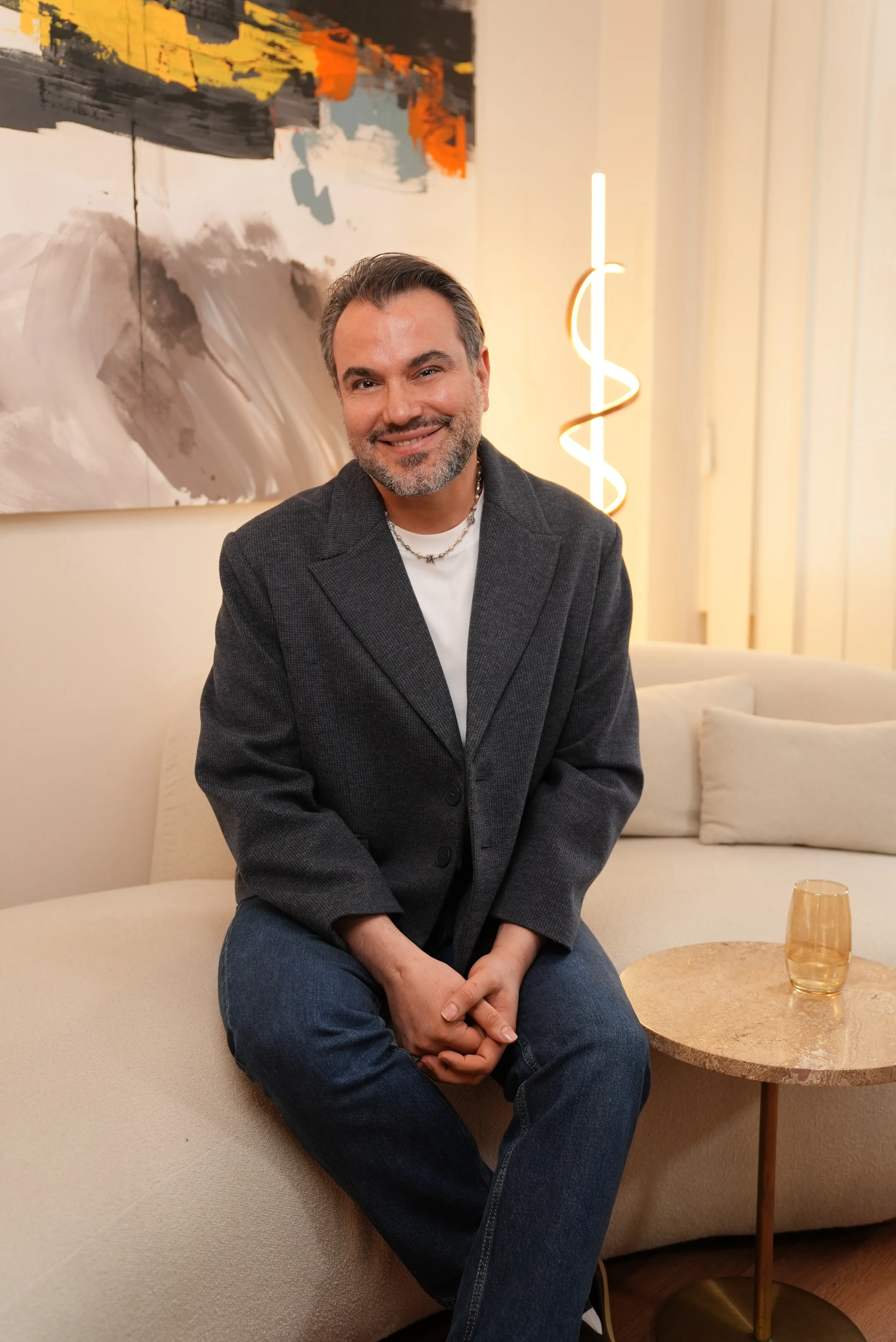
Dr Abdurrahman Efem is a medical aesthetic physician and a Ministry-appointed trainer in medical aesthetics.
He provides physician education in Endolift, Ultherapy, Morpheus8, advanced fillers and facial contouring.
Before treatment, medical history, skin and fat structure, natural facial volume, previous procedures and healing risks are evaluated.
Aftercare instructions are individualised according to the area treated. Early review is arranged when unexpected symptoms occur, and unnecessary home interventions are avoided.
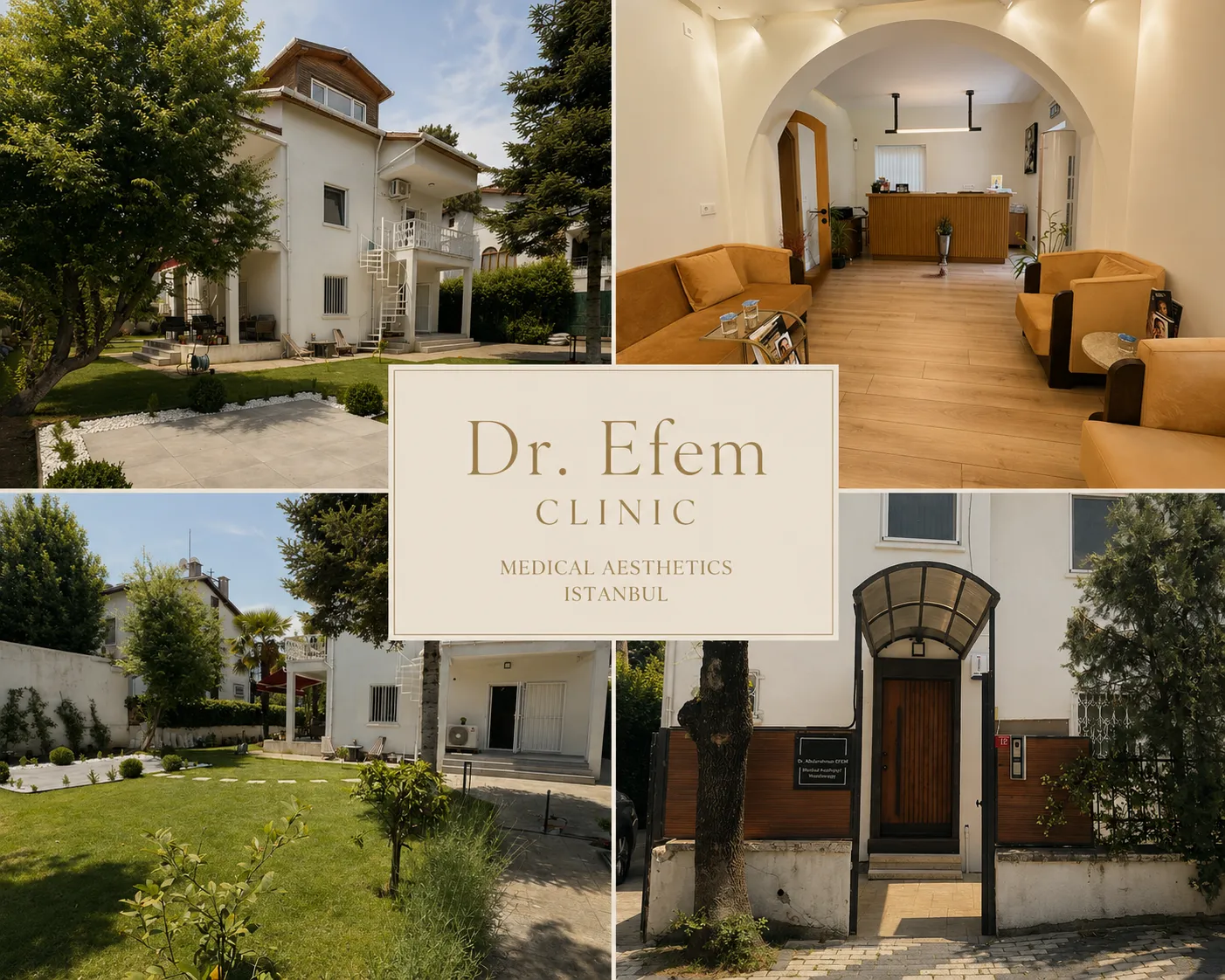
About Dr Efem Ask on WhatsAppA Privacy and Follow-Up-Focused Villa Clinic in Levent, Istanbul
Efem Clinic provides treatment in a private villa clinic with a garden and parking in Levent, Istanbul.
Before Endolift, the treatment extent, recovery time, aftercare steps, return to social activities and warning signs are discussed without rushing.
Follow-up considers not only the aesthetic result but also swelling, skin integrity, nerve function and safe contour development.
English and Turkish communication, international-patient planning and appropriate online early follow-up support are available.
Efem Note
More massage, a tighter compression garment or more skincare products do not necessarily produce faster healing after Endolift.
The tissue needs time to recover. Unnecessary pressure, random medication or uncontrolled skincare products may make recovery more difficult.
The most appropriate aftercare is to follow personal instructions, observe whether symptoms are improving and contact the clinic promptly when something worsens.
Related Endolift Guides
Frequently Asked Questions
What should I do on the first day after Endolift?
Protect the treatment area from unnecessary pressure, avoid touching the entry points with unwashed hands and follow only your personal aftercare instructions.
When can I shower after Endolift?
The timing depends on the condition of the entry points. You may be advised to avoid very hot water and rubbing the treatment area.
Can I wear make-up after Endolift?
Applying make-up directly over entry points may be unsuitable before they have closed. The clinic should determine the timing.
Can I wash my face after Endolift?
The washing method and cleanser should follow personal instructions. Do not scrub the entry points.
Should I apply ice after Endolift?
Cold application is not automatically suitable for everyone. The method, duration and skin contact should be explained by the doctor.
Should I massage the area?
Only massage the area when advised. Massage may be unsuitable when a burn, haematoma, infection, fat necrosis or nerve irritation is suspected.
Should I wear a chin strap?
It is not necessary for every patient. The duration and tightness should be determined by the treating doctor.
When can I exercise?
Intense exercise may increase swelling and bruising. Return to exercise should be personalised according to the area treated and healing.
When can I use a sauna or hammam?
Excessive heat may increase redness and swelling. Follow the waiting period recommended by the clinic.
How should I sleep after Endolift?
A position that reduces direct pressure may be recommended. Some patients may be advised to sleep with the head slightly elevated.
Can I use sunscreen?
Sun protection is important. The timing and application around the entry points should follow personal instructions.
Can I use retinol or acids?
Retinol, exfoliating acids and irritating active ingredients should not be restarted during early recovery without approval.
Can I drink alcohol?
Alcohol may affect swelling, bruising and fluid balance. Follow the individual waiting period recommended by the clinic.
Can I smoke after Endolift?
Smoking and nicotine may negatively affect wound healing. Use before and after treatment should be disclosed to the doctor.
Do I need antibiotics?
Antibiotics should not automatically be used by every patient. They should only be taken after individual medical assessment and prescription.
What should I eat after Endolift?
There is no specific Endolift diet. Balanced nutrition, adequate protein and appropriate hydration may support general recovery.
Can I fly after Endolift?
Flight timing should consider the extent of treatment, early follow-up needs and access to medical care at the destination.
When does swelling improve?
It may improve noticeably within several days in some patients. Larger treatments or a tendency to retain fluid may prolong it.
What should I do about firmness?
Monitor the area and avoid massage unless advised. Growing, red or painful firmness should be assessed.
Is numbness normal?
Temporary numbness may occur. Spreading, prolonged numbness or numbness associated with altered movement should be reported.
When should I contact a doctor?
Seek prompt assessment for increasing pain, rapidly enlarging swelling, fever, discharge, skin injury, muscle weakness, breathing or swallowing difficulty, or visual changes.
Request a Personal Endolift Aftercare Plan
Send clear photographs of swelling, bruising, firmness or numbness for follow-up support, or arrange an in-person review with Dr Abdurrahman Efem in Levent, Istanbul.
Request WhatsApp Follow-Up Contact Efem Clinic Meet Dr EfemThis content is intended for general information and does not replace an individual medical examination or the aftercare instructions provided by the treating doctor. Endolift aftercare, recovery and possible risks vary between patients.
About Dr. Abdurrahman Efem
Dr. Abdurrahman Efem
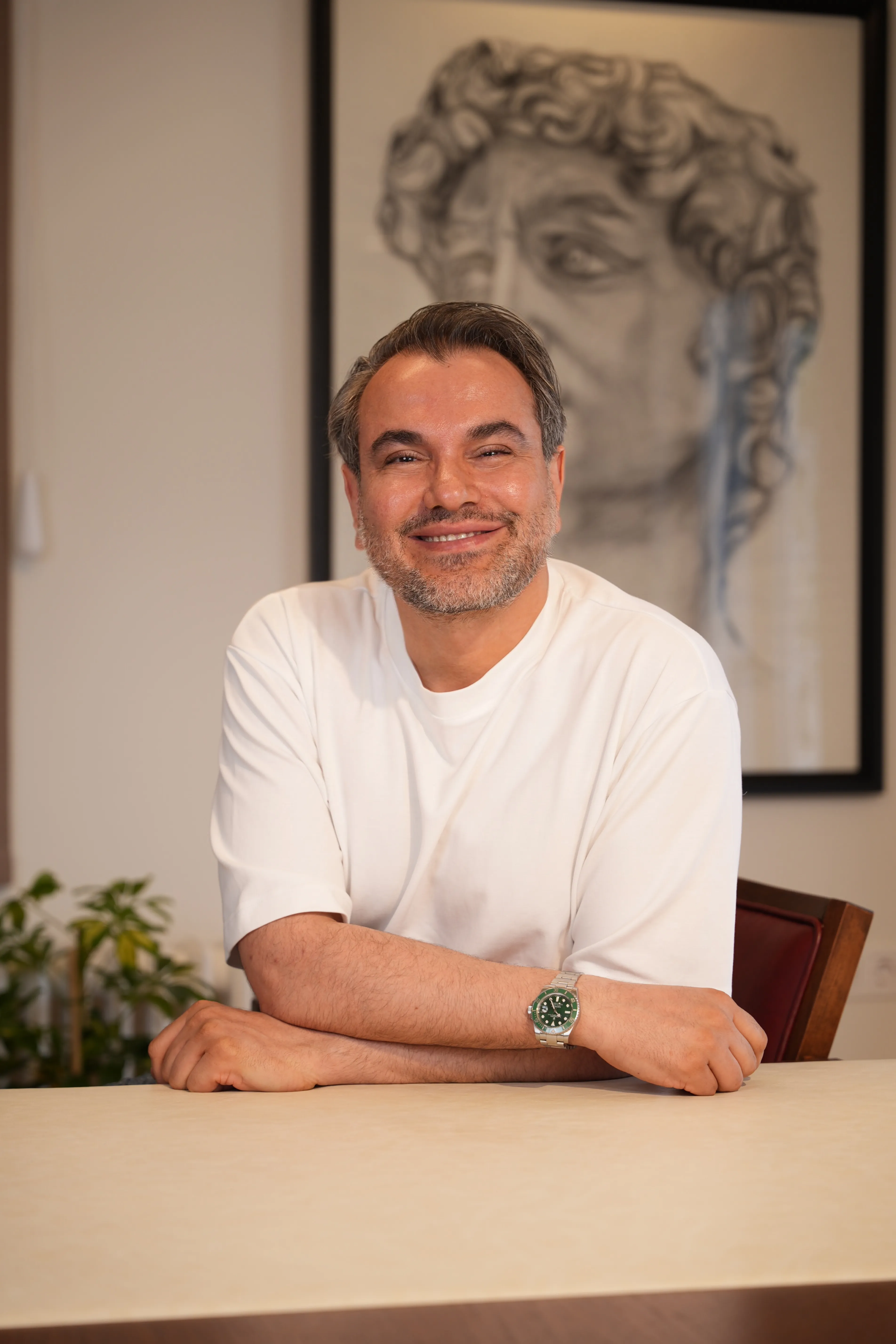
Dr. Abdurrahman Efem is a medical aesthetic physician specializing in facial rejuvenation, non-surgical aesthetic treatments, and regenerative medicine. His approach focuses on enhancing natural beauty through personalized treatment plans designed around each patient's unique features and goals. Dr. Efem works with both local and international patients, emphasizing balanced, natural-looking results and long-term aesthetic wellbeing. This content has been prepared or medically reviewed by Dr. Abdurrahman Efem to ensure accuracy and relevance.