


Endolift Recovery Time
Endolift Recovery, Swelling and Return-to-Routine Guide
Endolift Recovery Time: The First Days, Swelling, Return to Daily Life and Final Results
Endolift recovery time varies according to the treatment area, the extent of the procedure and the patient’s tissue response. Some patients can return to light daily activities relatively quickly, while swelling, bruising, tenderness, numbness and firmness beneath the skin may remain noticeable for several days or longer.
Returning to normal daily activities after Endolift is not the same as complete tissue healing. Social recovery may take a few days, while deeper healing and collagen remodelling may continue for several weeks or months.
Ask Your Recovery Questions on WhatsApp Explore Endolift Treatment Read the Aftercare GuideClear front, profile and 45-degree photographs may support early follow-up. Severe pain, rapidly increasing swelling, progressive redness, fever, discharge, new muscle weakness, difficulty breathing or swallowing, or any sudden visual change requires prompt medical assessment.
Some patients may return to light routines within a few days.
These may remain visible for several days or longer.
Firmness and altered sensation may improve over several weeks.
Collagen remodelling may continue for several months.
Quick Answer: How Long Is Endolift Recovery?
Many patients can return to light daily activities relatively quickly after Endolift. Visible swelling, bruising and tenderness may last for several days, while firmness, numbness and deeper tissue healing may continue for several weeks.
Social recovery may be shorter after a limited jawline or double-chin treatment. Swelling and tenderness may last longer when the neck, several facial areas or a larger body area has been treated.
Collagen remodelling, skin firmness and settling of the contour take longer than returning to work or normal activities. A more mature result generally requires follow-up over several months.
Why Does Endolift Recovery Differ Between Patients?
There is no single recovery period that applies to every patient. The appearance and tissue response after treatment may be influenced by:
- The size of the treatment area
- The number and density of fibre passes
- The energy plan used
- The amount of localised fat
- Skin thickness and elasticity
- The patient’s tendency to swell or bruise
- Age and collagen response
- Smoking and nicotine use
- Previous surgery, fillers, threads or energy treatments
- Medication or supplements affecting bleeding risk
- Sleep, nutrition and general health
- Compliance with aftercare instructions
Another patient’s recovery photographs cannot predict your exact recovery time.
The First 24 Hours After Endolift
Early firmness may be noticeable immediately after treatment. Local anaesthesia, tissue response and swelling mean that the true contour may not yet be clear.
Possible changes during the first 24 hours include:
- Mild or noticeable swelling
- Tenderness to touch
- Aching or pressure
- Small fibre-entry marks
- Temporary numbness
- Tightness or firmness beneath the skin
- Swelling-related differences between the two sides
- Mild redness or bruising
A photograph taken immediately after treatment should not be interpreted as the final result. Swelling may make some areas appear fuller, while early tissue contraction may make other areas appear tighter.
Rapidly increasing swelling, severe pain, marked skin-colour change or loss of movement should not be considered normal.
The First 72 Hours
Swelling and tenderness may be most noticeable during the first two or three days. In some patients, swelling becomes more visible on the day after treatment rather than immediately.
During this period:
- The face or double-chin area may temporarily appear fuller.
- Bruising may become more noticeable.
- The jawline may not look symmetrical.
- Tenderness may continue.
- Tight or firm areas may be felt beneath the skin.
- Changing sleeping position may feel uncomfortable.
Personal instructions vary, but it is generally important to avoid strong pressure, aggressive massage and unapproved skincare during early recovery.
Symptoms may not look identical every day. The overall trend should be towards improvement.
The First Week After Endolift
Swelling and bruising may gradually decrease during the first week, although firmness, tenderness and altered sensation can remain.
Many patients may feel more comfortable socially by the end of the first week. This is not guaranteed for every patient or every treatment area.
The first week may include:
- Decreasing but persistent swelling
- Bruising that changes colour
- Tenderness to touch
- Temporary changes in sensation
- Firm bands or tightness beneath the skin
- Swelling-related asymmetry
- A feeling of tightness during facial or neck movement
Swelling that fails to improve, increasing pain or new redness, warmth and discharge require clinical review.
Two to Six Weeks After Endolift
As visible swelling decreases, the true jawline, double-chin or neck contour becomes easier to assess.
Some patients may still notice firmness, unevenness or numbness beneath the skin. These symptoms should generally become less noticeable over time.
Early results may change from day to day during tissue healing. Repeated photographs in different lighting and angles can create unnecessary concern.
Persistent firmness, visible hollowing, skin tethering or unchanged numbness should be reviewed during follow-up.
One to Three Months After Endolift
After the first month, many early recovery effects may have substantially reduced. The contour and collagen response can then be assessed more meaningfully.
Possible changes include:
- A more organised jawline
- Reduced double-chin fullness
- A clearer lower-face and neck transition
- Gradual improvement in firmness
- Reduced early tightness and numbness
The first- or third-month appearance is not necessarily the final result for every patient. Collagen remodelling may continue.
Three to Six Months After Endolift
A more settled Endolift result is generally assessed after several months. Tissue transitions may become more natural as swelling resolves and collagen remodelling progresses.
Assessment should consider not only tightening but also symmetry, preservation of natural facial volume, jawline continuity and how the treated area blends with surrounding tissues.
For more detail, read when you will see Endolift results.
When Can You Return to Daily Activities?
Desk work and light daily activities may be possible relatively quickly for some patients. Visible swelling and bruising may still affect social plans.
The return to routine depends on:
- Whether the treated area is visible
- The degree of swelling and bruising
- The physical demands of the patient’s work
- Whether the patient works on camera or on stage
- Upcoming meetings or social events
- Residual effects of local anaesthesia
- Personal instructions from the treating doctor
When an important meeting, wedding, photography session or international journey is planned, it may be safer to allow additional flexibility between treatment and the event.
When Can You Return to Work?
Patients with desk-based work and no physical exertion may return sooner. Jobs involving heavy lifting, heat, intense movement or protective equipment may require a longer break.
Being able to return to work does not mean that tissue healing has finished.
If work requires a helmet, tight chin strap or equipment that presses on the treatment area, the return date should be discussed with the doctor.
When Can You Exercise?
Intense exercise can increase circulation, swelling, bruising and tenderness. Return to exercise should therefore follow the individual treatment plan.
- Light walking is different from intense cardio.
- Heavy lifting and inverted positions may increase pressure.
- Contact sports involve a risk of impact to the treated area.
- Swimming and shared facilities should be assessed in relation to the entry points.
- Body treatments may cause additional discomfort during movement.
The timing recommended by the treating doctor should take priority.
Showering, Sauna and Steam Rooms
A normal shower, hot bath, sauna, steam room and hammam do not have the same effect on recovery.
Excessive heat may increase blood-vessel dilation, redness and swelling. Shared facilities may also be unsuitable before fibre-entry points have healed.
Showering, water temperature and protection of the entry points should follow personal aftercare instructions.
Follow the clinic’s recommended waiting period before using a sauna, steam room or hammam.
When Can You Wear Make-Up?
Make-up timing depends on the condition of the fibre-entry points, skin integrity and treatment area.
Applying make-up directly over entry points before they have closed or before medical approval may be unsuitable.
Brushes, sponges and other tools should be clean. Heavy concealer should not be applied with strong pressure.
Personal clinic instructions should be followed rather than restarting make-up as early as possible.
Sleeping Position After Endolift
Direct and prolonged pressure on the treatment area may feel uncomfortable during early recovery. Some patients may be advised to sleep with the head slightly elevated.
Sleeping face-down may place pressure on the treated face or neck. However, the same sleeping position is not appropriate for every patient.
The sleeping plan should be individualised for the face, double chin, neck or body area treated.
How Long Does Swelling Last?
Swelling may decrease substantially within several days in some patients. It may last longer after a larger or more intensive treatment or in patients who tend to retain fluid.
Swelling should be reported if it:
- Increases rapidly instead of improving
- Becomes markedly one-sided
- Feels very hard or tense
- Is accompanied by severe pain
- Occurs with redness, heat or discharge
- Affects breathing or swallowing
For more safety information, read our Endolift side-effects guide.
When Does Bruising Improve?
Bruising varies according to the patient’s blood vessels, treatment area, medication and fibre-entry points.
Bruises may change colour during recovery. A rapidly expanding bruise, hard swelling, increasing pain or marked pressure may require assessment for a haematoma.
Prescription medication should not be stopped without medical advice.
When Does Firmness Improve?
Tightness, firm bands, nodule-like areas or tension beneath the skin may be felt during healing.
These changes may be associated with swelling, tissue coagulation, inflammation or fibrosis.
Firmness should gradually become less noticeable. Areas that enlarge, become red, very painful, produce discharge or create skin tethering should be assessed.
Aggressive massage should not be performed unless recommended by the treating doctor.
When Does Numbness Improve?
Local anaesthesia, swelling or irritation of small sensory nerves may cause temporary changes in sensation.
Numbness may gradually improve. Spreading, unchanged or prolonged numbness, or numbness associated with burning, electric sensations, severe pain or weakness, requires assessment.
A new change in the movement of the mouth corner, lower lip or smile should be reported promptly.
Facial Endolift Recovery
Social recovery after facial treatment depends on swelling, bruising and the number of areas treated.
Treating the lower face, cheeks and jawline together may produce more noticeable swelling than treating one small area.
Preserving natural facial fat is important not only for the result but also for reducing the risk of uneven healing and unwanted hollowing.
Read more about Endolift for the face.
Double-Chin Endolift Recovery
Swelling beneath the chin can make the area look temporarily larger. The true chin-to-neck transition becomes clearer as swelling decreases.
- Swelling and firmness may be noticeable.
- Head movement may feel tight.
- Temporary numbness may occur.
- A compression garment should only be used if recommended.
- Massage should not be performed without individual guidance.
Treatment planning should consider the amount of fat, skin laxity and neck anatomy together.
Neck Endolift Recovery
The neck is a mobile and anatomically sensitive area. Swelling, tightness and tenderness may be more noticeable during daily movement.
Rapidly increasing neck swelling, difficulty swallowing, breathing problems or marked one-sided firmness requires urgent assessment.
The recovery plan should be based on skin, fat, muscle and vascular anatomy.
Body Endolift Recovery
Swelling, bruising and tenderness may affect a wider region after treatment of the abdomen, upper arms, back, thighs or knees.
Recovery is influenced by the size of the area, physical activity, clothing pressure, fat thickness and the amount of excess skin.
Return to work, exercise and travel may require different planning after larger body treatments.
Endolift does not provide the same fat-removal or skin-removal capacity as liposuction or surgical body lifting.
Normal Recovery vs Warning Signs
| Symptom | May Occur During Recovery | Should Be Reported |
|---|---|---|
| Swelling | Mild or moderate and gradually improving | Rapidly increasing, very hard, one-sided or affecting breathing or swallowing |
| Pain | Mild tenderness or aching | Severe, worsening, burning or electric pain |
| Bruising | Limited and gradually changing colour | Rapidly expanding or associated with a tense swelling |
| Numbness | Localised and gradually improving | Spreading, unchanged or associated with muscle weakness |
| Firmness | Gradually becoming less tender | Growing, red, very painful or causing skin tethering |
| Asymmetry | Related to swelling and gradually improving | Worsening or associated with altered facial movement |
When Should You Contact the Clinic?
Contact the treating clinic promptly if any of the following develops:
- Severe pain that increases instead of improving
- Rapidly enlarging swelling
- Marked one-sided firmness or tension
- Spreading redness and warmth
- Discharge, unpleasant smell, fever or chills
- Blistering, an open wound, whitening or darkening
- Altered movement of the mouth corner or lower lip
- Spreading numbness or intense electric sensations
- Difficulty breathing or swallowing
- Any visual change after treatment near the eyes
Difficulty breathing, loss of vision, a severe allergic reaction or rapidly worsening general health requires emergency medical care.
Does Aftercare Affect Recovery?
Appropriate aftercare may support a safer and more comfortable early recovery. It cannot fully compensate for unsuitable patient selection or a treatment-related complication.
- Follow personal aftercare instructions.
- Keep entry points clean and dry as advised.
- Do not perform aggressive massage unless recommended.
- Avoid strong pressure on the treatment area during early recovery.
- Follow guidance regarding exercise, sauna and heat.
- Use appropriate sun protection.
- Use medication and creams only as instructed.
- Avoid smoking and nicotine products.
- Attend follow-up appointments.
- Send clear, unfiltered photographs when reporting symptoms.
Read our Endolift aftercare guide.
Should You Massage After Endolift?
Not every firm or swollen area requires massage. A controlled technique may be recommended for selected patients, while massage may be inappropriate in other situations.
Do not perform random massage when a burn, haematoma, infection, fat necrosis or nerve irritation is suspected.
The timing, pressure, direction and duration of massage should be determined by the treating doctor.
When Can You Fly After Endolift?
Flight planning should consider swelling, complication risk, follow-up requirements and access to medical care at the destination.
For international patients, an early review and communication plan should ideally be arranged before treatment.
Long flights, heavy luggage and an intensive travel schedule may affect early recovery.
The treating doctor should determine the appropriate flight timing according to the extent of the procedure.
When Should Results Be Assessed?
Recovery time and result time are not the same. An early contour may become visible after swelling decreases, while collagen remodelling develops more gradually.
- Early review: Skin integrity, swelling, bruising, nerve function and infection signs are assessed.
- First-month review: Early contour and direction of healing are assessed.
- Later review: Collagen response, symmetry, firmness and the settled result are assessed.
For result assessment, read our Endolift before-and-after guide.
Is Endolift Recovery the Same as HIFU Recovery?
No. HIFU delivers focused ultrasound energy through the skin. Endolift uses a fine optical fibre within selected subdermal tissue planes.
Endolift additionally involves fibre-entry points, possible bruising, subdermal firmness and entry-related infection risk.
Read our Endolift vs HIFU comparison.
Is Endolift Recovery the Same as Liposuction Recovery?
Endolift and liposuction have different levels of invasiveness, fat-reduction capacity and recovery profiles.
Liposuction generally removes a larger volume of fat and requires more substantial surgical recovery. Endolift may target smaller localised contours, but swelling, bruising, firmness and thermal complications remain possible.
Read Endolift vs liposuction.
Endolift vs Facelift Recovery
| Feature | Endolift | Surgical Facelift |
|---|---|---|
| Method | Subdermal optical fibre and laser energy | Surgical incision and tissue repositioning |
| Social recovery | May generally be shorter | Requires a longer surgical recovery |
| Early symptoms | Swelling, bruising, firmness and numbness | Swelling, bruising, incision tenderness and numbness |
| Result capacity | Measured improvement in mild to moderate laxity | Stronger correction of advanced sagging |
A shorter recovery period does not automatically make a treatment more appropriate. Read our Endolift vs facelift guide.
The Efem Method: Recovery Planning Begins Before Treatment
The Efem Method does not manage Endolift recovery only through aftercare instructions. The treatment area, tissue thickness, fat distribution, nerve and vascular anatomy, previous procedures and the patient’s social schedule are reviewed before treatment.
The aim is not to treat the widest possible area or use the highest possible energy. A controlled plan is created only for genuine anatomical needs.
When an important event, flight or intensive work schedule is approaching, the treatment date is planned accordingly. The difference between social recovery and deeper tissue healing is explained clearly.
After treatment, tissues are given appropriate time to heal without unnecessary intervention. Unexpected symptoms are reviewed early.
A good recovery plan does not simply promise that everything will disappear within a few days. It explains which symptoms are expected and which symptoms require assessment.
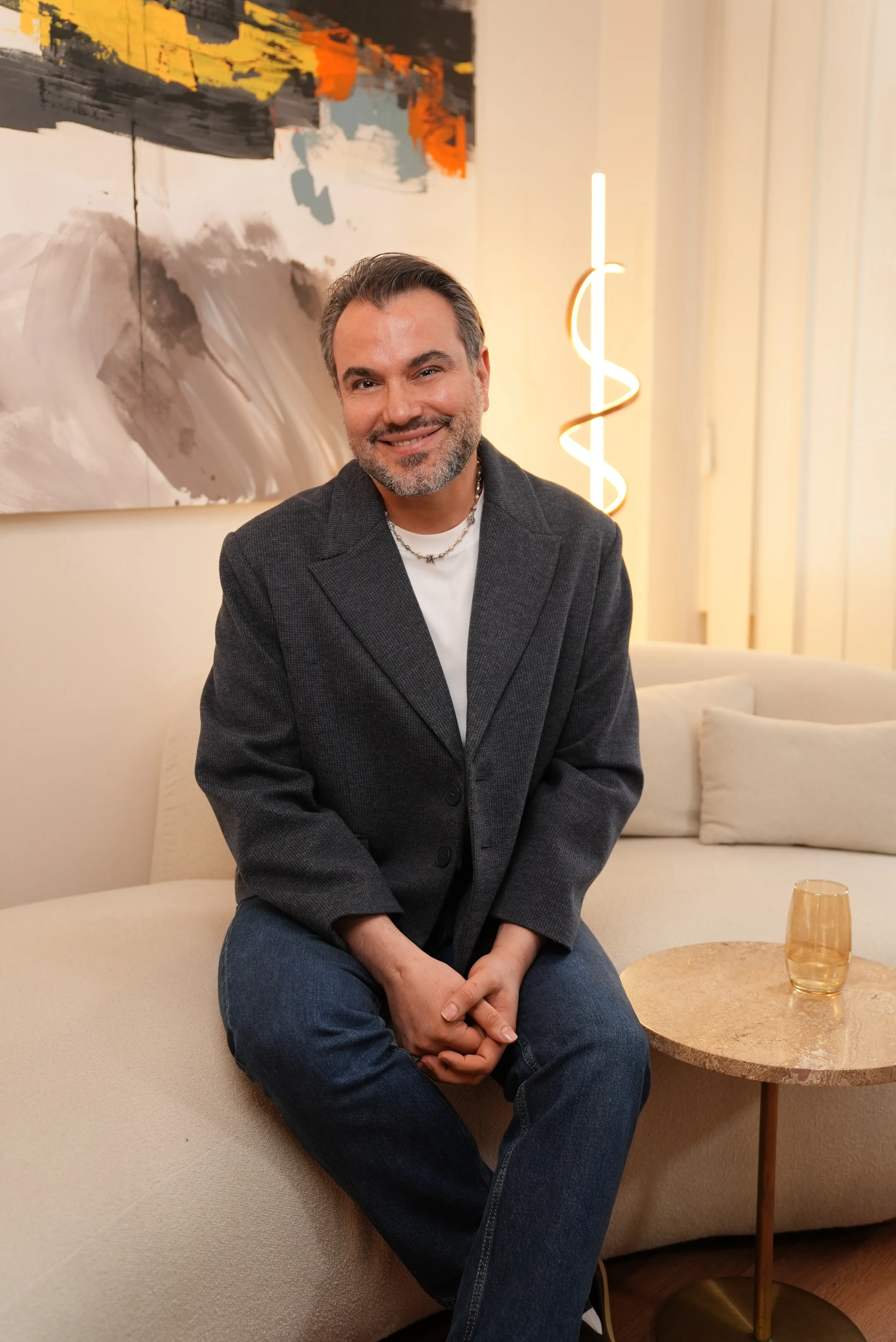
Personal Endolift Recovery Planning With Dr Abdurrahman Efem
Dr Abdurrahman Efem is a medical aesthetic physician and a Ministry-appointed trainer in medical aesthetics.
He provides physician education in Endolift, Ultherapy, Morpheus8, advanced fillers and facial contouring.
During consultation, skin laxity, fat thickness, natural facial volume, previous treatments, medical history, social schedule and recovery risks are reviewed together.
Unnecessary treatment is not recommended when Endolift is unlikely to provide a safe and proportionate benefit. Alternative energy treatments or surgical consultation may be discussed when appropriate.
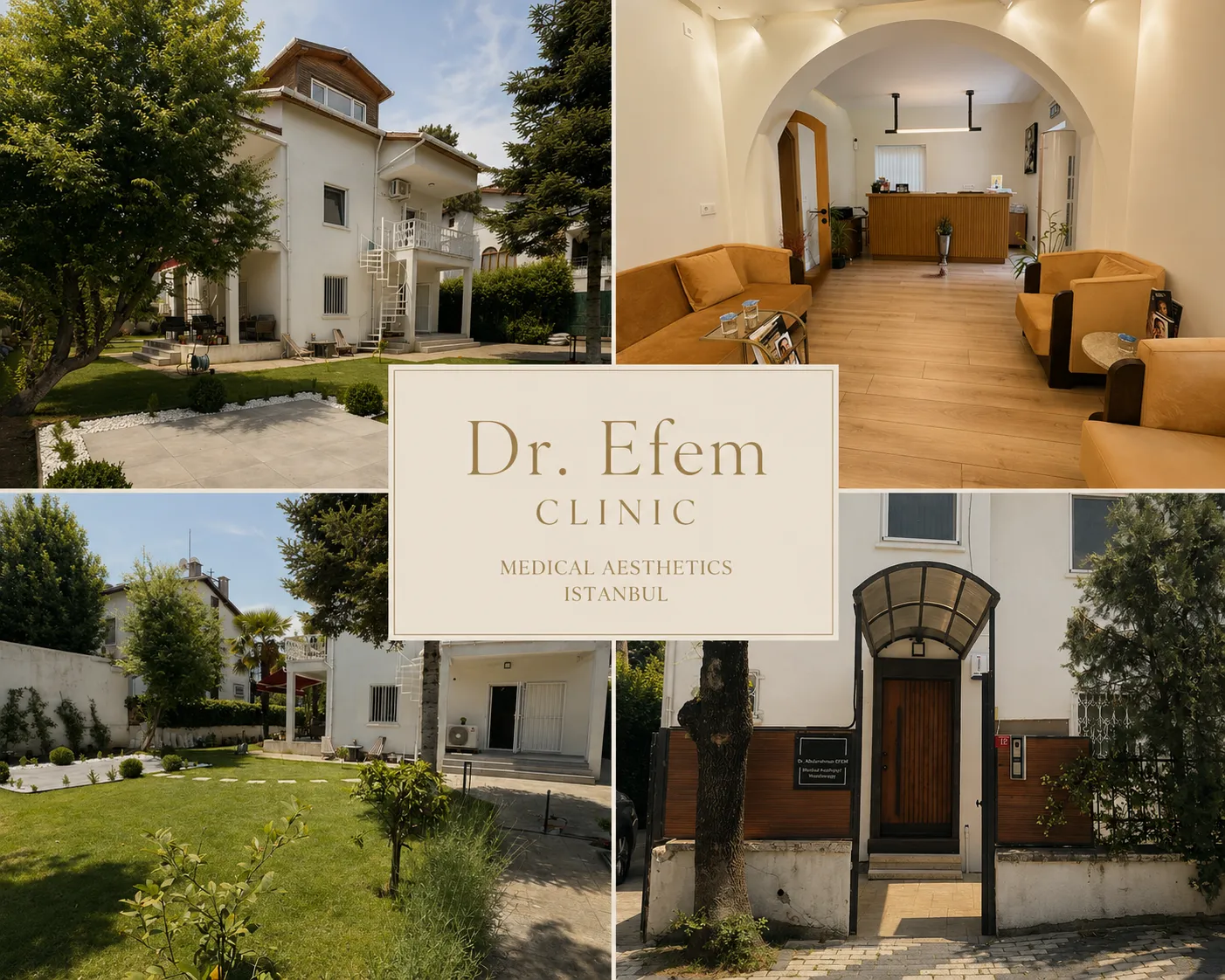
About Dr Efem Ask on WhatsAppA Follow-Up and Privacy-Focused Villa Clinic in Levent, Istanbul
Efem Clinic provides treatment in a private villa clinic with a garden and parking in Levent, Istanbul.
The procedure extent, social recovery, swelling, expected timeline and warning signs are discussed without rushing before treatment.
Patients are informed about which symptoms to monitor and when to contact the clinic.
English and Turkish communication, international-patient planning and appropriate online early follow-up support are available.
Efem Note
Returning to daily life relatively quickly after Endolift does not mean that the deeper tissues have completely healed.
Firmness, numbness and collagen remodelling may continue even after visible swelling has improved. Recovery and results should not be judged on the same day.
Good recovery does not mean having no symptoms. It means expected symptoms gradually improve and unexpected changes are assessed at the right time.
Related Endolift Guides
Frequently Asked Questions
How long is Endolift recovery?
Some patients can return to light daily activities relatively quickly. Swelling and bruising may last several days, while firmness and numbness may continue for several weeks.
How many days should I rest after Endolift?
The exact period depends on the area treated, swelling and the physical demands of your work.
When can I return to work?
Some patients can return to desk-based work relatively quickly. Visible swelling, bruising and physical workload should be considered.
How long does swelling last?
Swelling may substantially improve within several days in some patients. Larger treatments or a tendency to retain fluid may prolong it.
Is bruising normal after Endolift?
Limited bruising may occur. Rapidly expanding bruising, hard swelling or increasing pain should be assessed.
When does firmness improve?
Firmness may gradually improve over several weeks. A growing, painful, red or tethered area requires assessment.
When does numbness improve?
Timing varies according to the patient and treatment area. Prolonged numbness or numbness associated with muscle weakness requires review.
Why does the face look more swollen after Endolift?
Swelling related to treatment, local anaesthesia and tissue response may temporarily make the face or double-chin area appear fuller.
Is asymmetry normal during recovery?
Temporary asymmetry may occur if swelling resolves at different speeds. Worsening asymmetry or altered facial movement should be reported.
When can I exercise?
Return to exercise depends on the treatment area and healing. Intense activity may increase swelling and bruising during early recovery.
Can I shower after Endolift?
Showering and care of fibre-entry points should follow personal instructions. Excessively hot water may need to be avoided.
When can I use a sauna or steam room?
Excessive heat may increase swelling and redness. Follow the clinic’s recommended waiting period.
When can I wear make-up?
Make-up may be unsuitable before fibre-entry points have closed. Follow the clinic’s personal instructions.
Should I massage the area?
Massage should only be performed when recommended by the treating doctor. Not every firm or swollen area requires massage.
Should I wear a compression garment?
It is not required for every patient. The need, duration and pressure should be determined by the doctor.
How should I sleep after Endolift?
A position that reduces pressure on the treated area may be advised. Sleeping face-down may feel uncomfortable during early recovery.
Can I fly after Endolift?
Flight timing should consider the treatment extent, follow-up plan and access to medical care if a complication occurs.
How long is double-chin Endolift recovery?
Swelling and firmness may last several days or longer. The true contour becomes clearer as swelling decreases.
How long is neck Endolift recovery?
The neck is a mobile area, so tightness and tenderness may feel more noticeable. Recovery varies according to treatment extent.
When do Endolift results settle?
An early contour may appear within several weeks. A more settled result and collagen response may require several months.
When should I contact a doctor?
Seek prompt assessment for increasing pain, rapidly enlarging swelling, discharge, fever, skin injury, muscle weakness, breathing or swallowing difficulty, or visual changes.
Learn About Your Personal Endolift Recovery Plan
Send clear front, profile and 45-degree photographs of the areas you are considering for treatment, or arrange an in-person consultation with Dr Abdurrahman Efem in Levent, Istanbul.
Request a WhatsApp Assessment Contact Efem Clinic Meet Dr EfemThis content is intended for general information and does not replace an individual medical consultation. Endolift recovery time, swelling, bruising, return to routine and possible risks vary between patients.
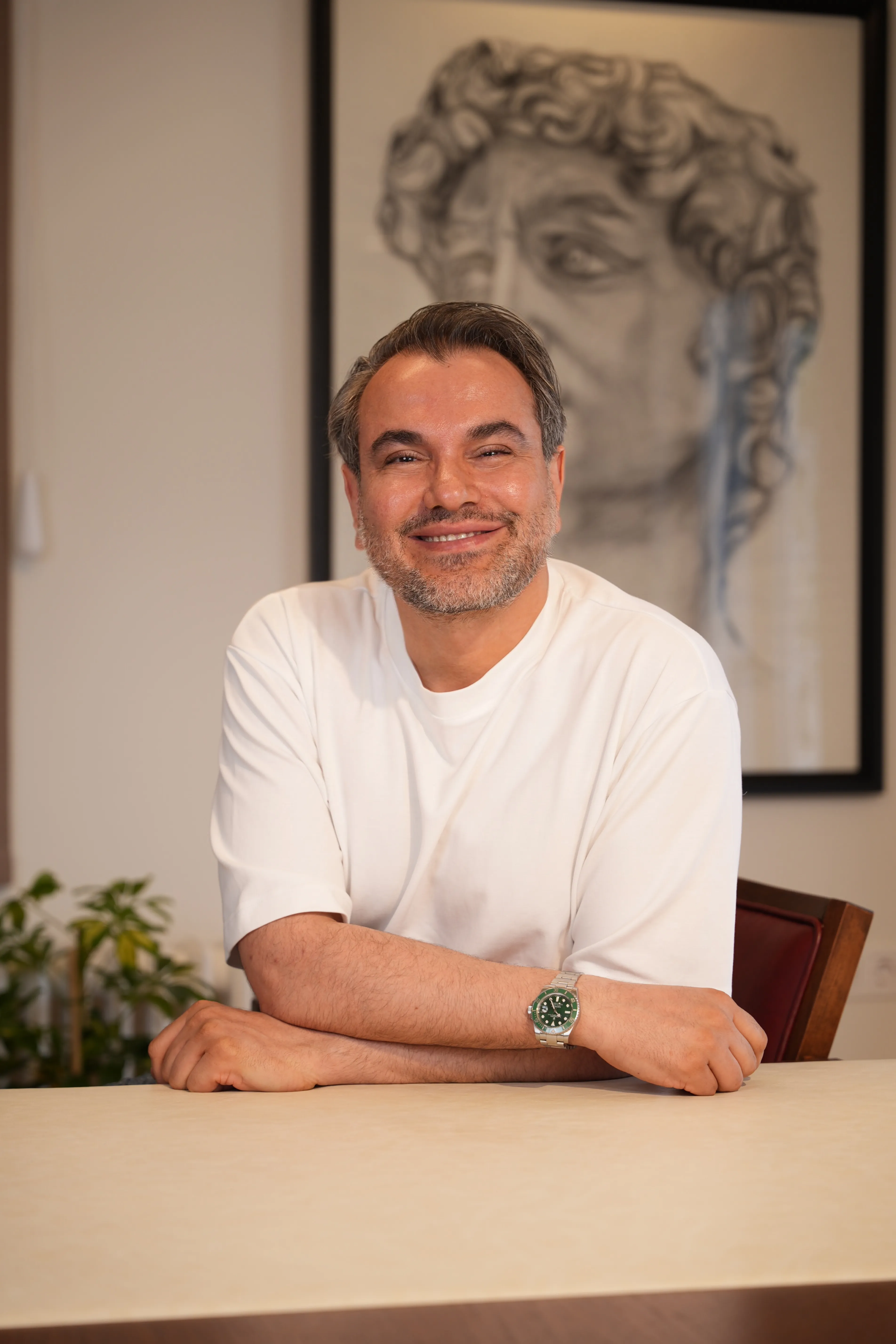
About Dr. Abdurrahman Efem
Dr. Abdurrahman Efem
Dr. Abdurrahman Efem is a medical aesthetic physician specializing in facial rejuvenation, non-surgical aesthetic treatments, and regenerative medicine. His approach focuses on enhancing natural beauty through personalized treatment plans designed around each patient's unique features and goals. Dr. Efem works with both local and international patients, emphasizing balanced, natural-looking results and long-term aesthetic wellbeing. This content has been prepared or medically reviewed by Dr. Abdurrahman Efem to ensure accuracy and relevance.