

Endolift vs Facelift
Non-Surgical and Surgical Facial Rejuvenation Comparison
Endolift vs Facelift: Which Option May Be More Suitable for You?
Endolift and facelift surgery address facial and neck ageing through different techniques, treatment depths and recovery processes. Endolift is a minimally invasive laser procedure, whereas a facelift is an operation that surgically repositions sagging tissues and may remove excess skin.
At Efem Clinic in Levent, Istanbul, the decision is not based on which treatment sounds more powerful. It is based on the patient’s anatomy, degree of laxity, recovery preferences, medical suitability and realistic expectations.
Send Your Photos on WhatsApp Explore Endolift TreatmentA photo-based review can provide only an initial indication. Endolift suitability requires a medical consultation. Facelift suitability should be assessed by a qualified plastic, reconstructive and aesthetic surgeon.
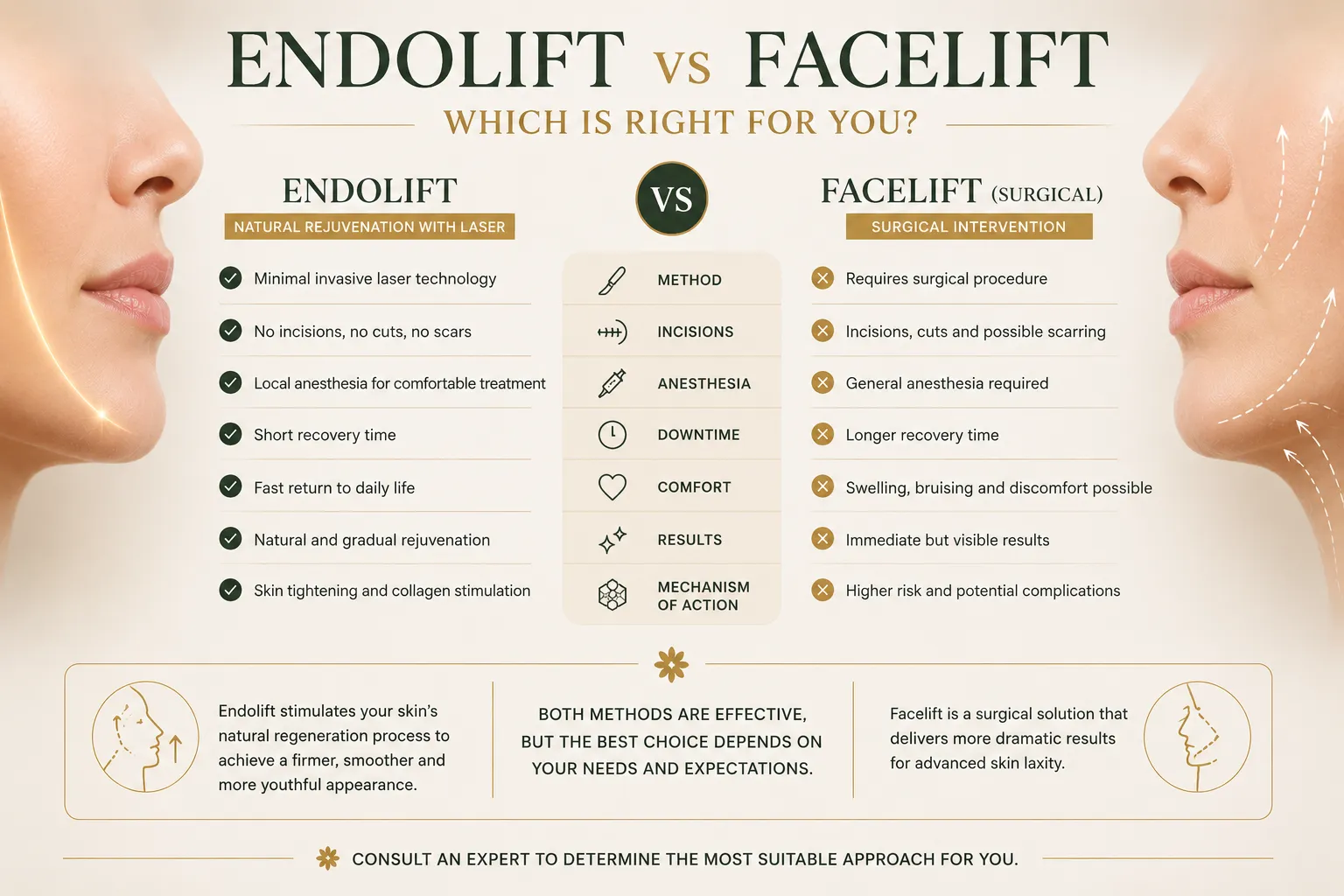
A minimally invasive optical-fibre laser approach for subdermal tightening.
Surgically repositions sagging facial and neck tissues.
The procedures are suitable for different levels of laxity and different goals.
A non-surgical treatment cannot reproduce a surgical result when surgery is genuinely required.
Endolift or Facelift: The Essential Difference
Endolift may be considered for mild-to-moderate laxity, early jowls and limited lower-face heaviness. Facelift surgery is generally more suitable when there is advanced sagging, visible excess skin or a need for substantial tissue repositioning.
Endolift delivers controlled 1470 nm laser energy beneath the skin through a thin optical fibre. The aim is controlled tissue contraction, gradual collagen remodelling and, in selected cases, contouring of small localised fat deposits.
During facelift surgery, the surgeon accesses the skin and deeper facial support tissues through surgical incisions. Sagging tissues may be repositioned, excess skin may be removed and the neck may also be treated depending on the surgical plan.
Endolift is therefore not a smaller, stitch-free version of a facelift. The two procedures should not be presented as equivalent treatments with different levels of intensity.
What Is Endolift?
Endolift is a minimally invasive laser procedure in which a very thin optical fibre is guided through selected subdermal tissue planes by the treating doctor.
The 1470 nm wavelength interacts primarily with water in the tissue and produces a controlled thermal response. This may support early contraction of connective tissue and gradual collagen remodelling.
In carefully selected patients, small and localised fat deposits may also be treated for contour refinement. Fat reduction is not required in every Endolift procedure.
For more detail, see how Endolift works, how Endolift tightens the skin and Endolift collagen stimulation.
What Is Facelift Surgery?
A facelift, medically known as rhytidectomy, is an operation designed to correct more significant facial and neck sagging, tissue descent, jowl formation and excess skin.
The surgical technique varies according to anatomy and the surgeon’s plan. Different approaches may include SMAS facelift, deep-plane facelift, mini facelift and combined face-and-neck lift procedures.
Depending on the technique, deeper support layers may be repositioned, neck muscles may be adjusted, excess skin may be removed and fat may be reshaped or redistributed.
Facelift surgery can provide stronger and more extensive mechanical repositioning than Endolift in patients with advanced sagging. It also involves an operating theatre, anaesthesia, incisions, a longer recovery period and a broader surgical risk profile.
Endolift vs Facelift: Main Differences
| Comparison | Endolift | Facelift Surgery |
|---|---|---|
| Procedure type | Minimally invasive optical-fibre laser procedure | Surgical operation |
| Primary aim | Mild-to-moderate tightening, collagen support and limited contour improvement | Repositioning of sagging tissues and removal of excess skin |
| Lifting capacity | Limited and gradual | Stronger and more extensive |
| Excess skin | Does not remove excess skin | Excess skin may be surgically removed |
| Incisions and stitches | No traditional facelift incision; small fibre entry points are used | Incisions and stitches may be placed around the hairline and ears |
| Anaesthesia | Local comfort or anaesthetic approach depending on treatment extent | General anaesthesia or local anaesthesia with sedation, depending on the surgical plan |
| Recovery | Usually shorter; swelling, bruising and tenderness may occur | Longer; dressings, stitches, visible swelling and activity restrictions may be required |
| Result development | Gradual over weeks and months as collagen remodelling develops | Surgical repositioning becomes clearer as postoperative swelling settles |
| Expected change | Measured and subtle tightening | More visible and extensive reshaping |
| Risk profile | Usually lower than surgery, but not risk-free | Broader surgical and anaesthetic risk profile |
| Evidence base | Developing and comparatively limited clinical literature | Extensive surgical experience and long-established literature |
When May Endolift Be More Suitable?
Early Jowls
It may be considered when jawline laxity and tissue heaviness are still limited.
Mild-to-Moderate Laxity
It may support subdermal tightening before substantial excess skin develops.
Reduced Jawline Definition
It may help create a more balanced lower face and clearer transition along the jawline.
Limited Double-Chin Fullness
Small localised fat deposits may be treated together with skin tightening in suitable patients.
Collagen Loss
It may support skin firmness in selected patients with reduced tissue quality.
Preference to Avoid Surgery
It may be considered when the patient accepts that the result will not be as extensive as a surgical facelift.
For area-specific information, see Endolift for the jawline, Endolift for a double chin, Endolift for the neck and Endolift for the face.
When May Facelift Surgery Be More Suitable?
- Advanced cheek and lower-face sagging
- Prominent or heavy jowls
- Significant loss of jawline definition
- Visible excess skin on the face or neck
- Neck bands and deeper neck laxity
- A need for surgical tissue repositioning
- When the result achievable with non-surgical treatments would be insufficient
- A preference for a stronger and more extensive change
The presence of these concerns does not automatically make a person suitable for surgery. General health, smoking, medication, previous surgery, anaesthetic risk and healing capacity must be assessed by a plastic surgeon.
Who May Be a Better Candidate for Endolift?
- People with mild-to-moderate facial or neck laxity
- Patients with early jowls or reduced jawline definition
- People without substantial excess skin
- Those seeking a measured and gradual result
- Patients who prefer to avoid surgical incisions and longer recovery
- People who are not medically or personally ready for surgery
- Patients who understand that Endolift cannot reproduce a facelift result
- People considered medically suitable for minimally invasive laser treatment
Age alone does not determine suitability. Some younger patients may have genetically advanced laxity, while some older patients may have limited excess skin.
Who May Be a Better Candidate for Facelift Surgery?
- People with advanced sagging and excess skin
- Patients who require substantial lower-face and neck repositioning
- Those seeking a stronger result than non-surgical methods can provide
- People who accept surgical recovery and the possibility of scars
- Patients who are medically suitable for anaesthesia and surgery
- People able to follow their surgeon’s instructions regarding smoking and healing
- Patients assessed as suitable by a qualified plastic surgeon
Facelift surgery is not selected according to age alone. The degree of tissue descent, facial and neck anatomy, general health and desired result must be considered together.
When Can Endolift Be Insufficient?
Endolift cannot surgically remove excess skin or reposition deeply descended facial tissues in the same way as a facelift.
Its effect may be limited in the following situations:
- Substantial excess skin
- Advanced jowls and lower-face sagging
- Significant neck laxity
- Prominent platysmal bands
- Deep and heavy tissue descent
- Expectations of a strong lifting effect
- A goal of long-term surgical-level repositioning
In these cases, Endolift may not remove the need for surgery. Treatment performed despite an unsuitable indication may lead to unnecessary cost, lost time and disappointment.
Can Endolift Delay the Need for a Facelift?
In suitable patients, Endolift may help manage early laxity and limited contour loss, potentially allowing surgery to be postponed. This does not apply to everyone and does not guarantee that surgery will never be needed.
Ageing continues. Skin, fat compartments, ligaments and bone structure change over time. Endolift does not stop this biological process.
Repeated non-surgical treatment solely to avoid surgery may delay a realistic surgical assessment in a patient with advanced sagging.
Recovery Time Comparison
After Endolift
- Temporary swelling and oedema
- Bruising and tenderness
- A feeling of tightness
- Temporary numbness or altered sensation
- Temporary asymmetry caused by swelling
- A possible need for several quieter days
- Collagen-related improvement developing over months
After Facelift Surgery
- Surgical dressings and bandages
- More visible swelling and bruising
- Monitoring or removal of stitches
- Possible use of drains in some techniques
- Restrictions on exercise and activity
- A longer period before social recovery
- Scars and tissues maturing over several months
For Endolift recovery, see Endolift recovery time and the Endolift aftercare guide. Facelift recovery depends on the surgical technique and should be explained by the operating plastic surgeon.
Strength of Results and Natural Appearance
A natural result does not depend only on whether a treatment is surgical or non-surgical. Correct indication, anatomy-based planning, measured intervention and realistic goals are more important.
Endolift generally creates a more limited and gradual change. This may be an advantage in patients with early laxity but may be insufficient in advanced sagging.
Modern facelift surgery is not simply about pulling the skin tightly. Deeper support tissues may be repositioned to create a stronger yet natural-looking result.
Both Endolift and facelift surgery can produce an unbalanced, artificial or disappointing outcome when the patient is poorly selected or treatment is excessive.
When Do Results Appear?
| Period | Endolift | Facelift Surgery |
|---|---|---|
| Early stage | Tissue contraction may be visible, although swelling can affect the appearance | The surgical change is present, but swelling and bruising hide the result |
| First weeks | Swelling settles and contour becomes easier to assess | Swelling reduces and tissues adapt to their new position |
| First months | Gradual development through collagen remodelling | Scars and tissues mature and the result becomes more natural |
For a detailed Endolift timeline, see Endolift results.
How Long Do Results Last?
Neither treatment stops natural ageing. Facial and neck tissues continue to change after treatment.
The longevity of Endolift results depends on age, skin quality, treatment extent, smoking, sun exposure, weight fluctuation and individual biology. Further assessment may be considered in later years.
Facelift surgery generally provides more extensive and longer-lasting anatomical repositioning. However, the face continues to age and additional treatment may be considered in the future.
It would not be accurate to promise a fixed number of years for either procedure. Result longevity should be discussed in relation to individual anatomy and lifestyle.
How Do the Risks Compare?
Possible Endolift Risks
- Swelling, bruising and tenderness
- Temporary or prolonged numbness
- Infection
- Burns or pigmentation changes
- Asymmetry and contour irregularity
- Unwanted fat loss
- Temporary or persistent sensory changes
- An unsatisfactory result
Possible Facelift Risks
- Anaesthetic complications
- Bleeding and haematoma
- Infection and fluid collection
- Wound-healing problems
- Visible or unfavourable scars
- Nerve injury and muscle weakness
- Hair loss or hairline change
- Skin loss, asymmetry or revision surgery
For further information about Endolift risks, see Endolift side effects. Surgical risks must be discussed in detail with a plastic surgeon according to the individual’s health and surgical plan.
Will There Be Scars?
Endolift does not create traditional facelift incisions. Very small fibre entry points are used. Healing varies between patients, and rare scarring or pigmentation change cannot be completely excluded.
Facelift incisions are commonly positioned within the hairline, around the ears and, depending on the surgical plan, beneath the chin. The surgeon aims to place incisions within natural folds and less visible areas.
Facelift scars usually mature over time, but they cannot be guaranteed to become completely invisible. Scar quality is affected by genetics, surgical technique, smoking, infection, wound tension and aftercare.
Can Endolift and Facelift Surgery Be Performed at Different Times?
Having had Endolift does not automatically prevent a future facelift. The plastic surgeon should be informed about the date, treatment areas and details of any previous energy-based procedure.
If Endolift or another energy-based treatment is considered after facelift surgery, the tissues should first be allowed to heal fully and the operating surgeon’s approval should be obtained.
The order and timing of procedures should not follow a universal schedule. They should be decided through individual assessment and, when necessary, communication between the treating physician and plastic surgeon.
How Does Endolift Compare with Other Non-Surgical Treatments?
| Treatment | Technology | Primary Aim | Equivalent to Surgery? |
|---|---|---|---|
| Endolift | Subdermal optical-fibre laser | Tightening, collagen support and selected contouring | No |
| Ultherapy / HIFU | Focused ultrasound | Non-invasive tightening at selected depths | No |
| Morpheus8 | RF microneedling | Texture, pores, scars and tightening | No |
| Thread Lift | Suspension threads placed within tissue | Temporary mechanical support in selected areas | No |
| Facelift Surgery | Surgical tissue repositioning | Comprehensive correction of advanced sagging and excess skin | It is the surgical reference treatment |
For further comparisons, see Endolift vs Ultherapy, Endolift vs Morpheus8 and Endolift vs thread lift.
The Efem Method: Choosing the Right Treatment, Not Simply Avoiding Surgery
Within the Efem Method, the aim is not to direct every patient toward a non-surgical procedure. The limits of minimally invasive treatments, the potential of surgery and the patient’s actual anatomical needs are considered together.
It would be inappropriate to recommend unnecessary surgery to a patient who may respond well to Endolift. It would be equally inappropriate to tell a patient who needs a facelift that Endolift can provide the same result.
The best treatment is not necessarily the newest or most powerful procedure. It is the plan that suits the patient’s anatomy, avoids unnecessary intervention and can meet expectations honestly.
How Should Cost Be Compared?
Comparing Endolift and facelift surgery only by their starting price can be misleading. They involve different facilities, teams, treatment scopes and follow-up requirements.
Factors that may affect Endolift cost include:
- The face and neck areas included
- The technical complexity and duration
- The degree of laxity and localised fat
- The need for combination treatment
- The follow-up plan
Facelift surgery costs may include:
- The surgeon and surgical team
- Hospital or operating-theatre fees
- Anaesthesia
- The surgical technique and extent
- Neck lift or additional surgical procedures
- Tests, medication and postoperative reviews
- Accommodation or nursing requirements
Rather than choosing the lowest price, patients should consider who performs the procedure, the clinical setting, the medical indication and the follow-up plan. For Endolift pricing information, see our Endolift cost guide.
Planning Treatment from Abroad
International patients travelling to Istanbul should plan not only the treatment day but also consultation, early follow-up and access to care in the event of a complication.
For Endolift, photographs may support an initial review, but the final plan is confirmed during an in-person medical consultation. Travel plans should allow for the possibility of swelling and bruising.
For facelift surgery, hospital stay, postoperative reviews, stitch or drain management, flight timing and access to the surgeon should be planned in advance.
Patients considering surgery should be assessed and treated by a qualified plastic, reconstructive and aesthetic surgeon in an appropriate hospital environment.
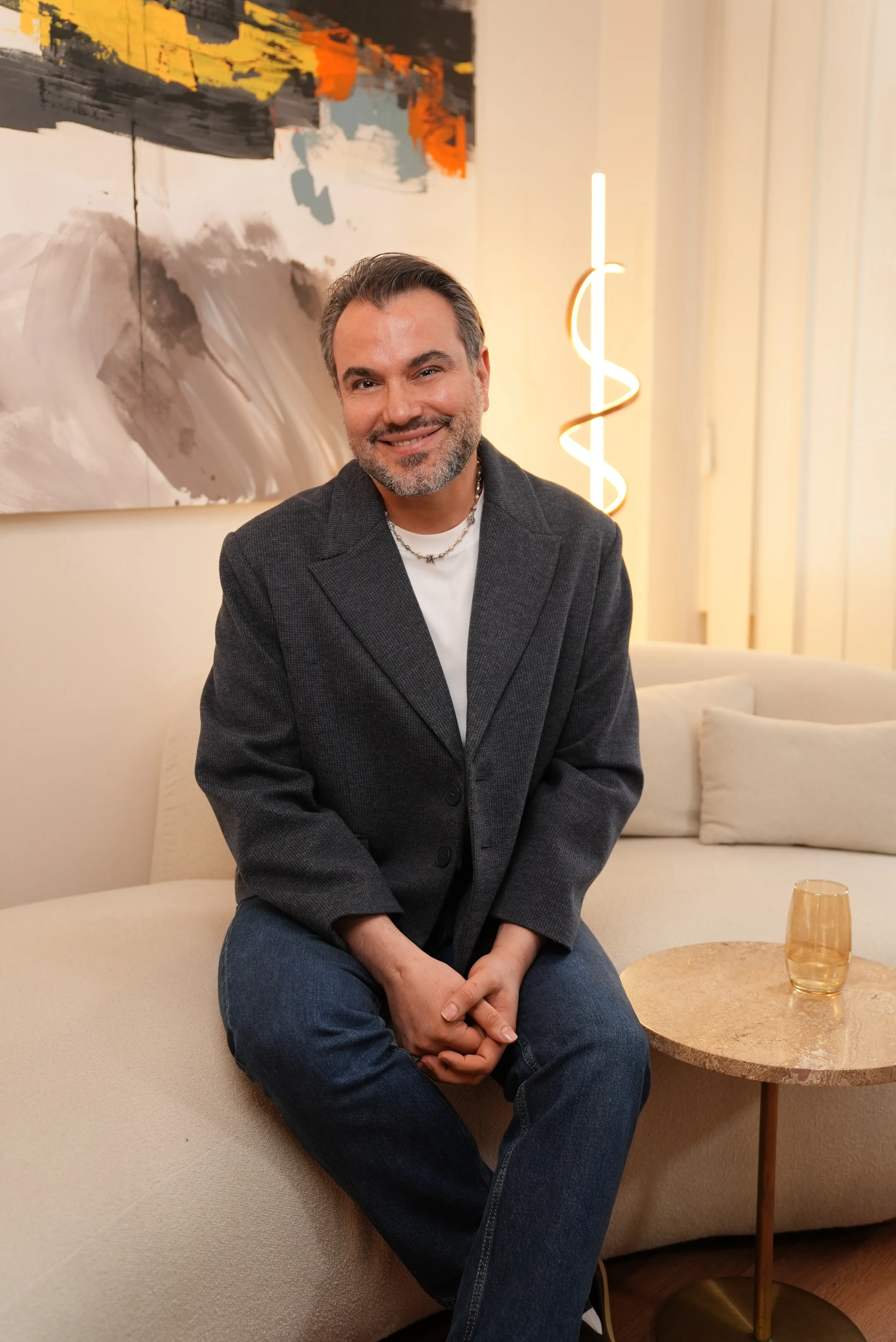
An Honest Endolift Assessment with Dr. Abdurrahman Efem
Dr. Abdurrahman Efem is a medical aesthetic physician and a Ministry-appointed trainer in medical aesthetics. He has advanced experience in Endolift, Ultherapy, Morpheus8, facial fillers and personalised non-surgical facial rejuvenation planning.
The assessment considers the degree of facial and neck laxity, excess skin, fat distribution, jawline anatomy and the patient’s expectations.
When Endolift is unlikely to provide sufficient improvement and surgical assessment would be more appropriate, the patient is advised to seek the opinion of a qualified plastic surgeon. Efem Clinic does not present facelift surgery as though it were simply another version of Endolift.
Meet Dr. Efem Our Treatment Philosophy Efem in MediaA Private Villa Clinic in Levent, Istanbul
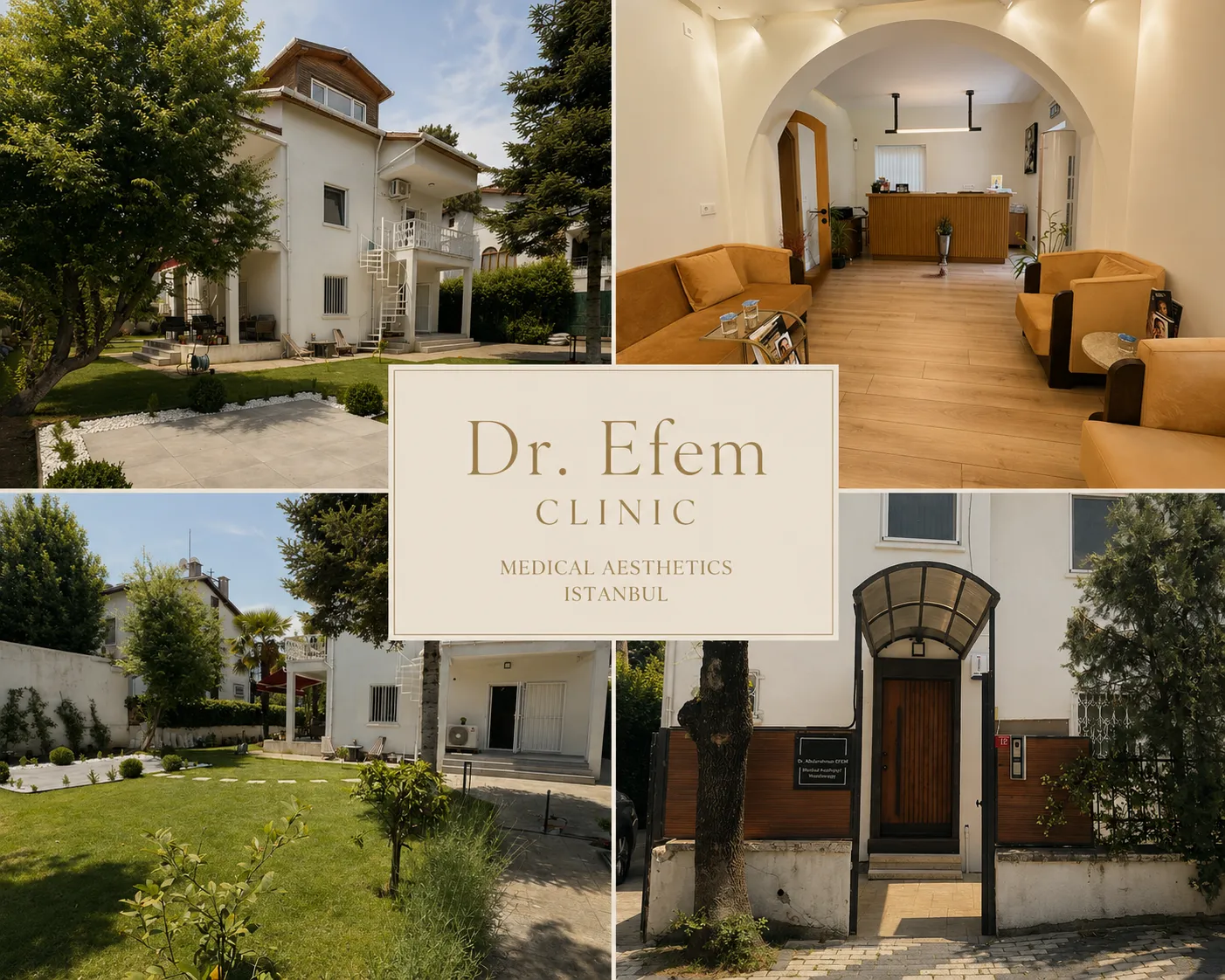
Efem Clinic is located in a premium villa setting in Levent, Istanbul, with a garden and parking. The clinic is designed around privacy, personal communication and unhurried medical assessment.
Before Endolift, facial anatomy, treatment goals, medical history and the limitations of the procedure are discussed in detail.
When surgical treatment appears more appropriate, patients are advised to obtain an assessment from a qualified plastic, reconstructive and aesthetic surgeon.
Questions to Ask Before Deciding
- Is my laxity mild, moderate or advanced?
- Do I have true excess skin?
- Is the main concern skin laxity, fat distribution or volume loss?
- Is the result I expect realistic with Endolift?
- Am I prepared for surgical incisions and a longer recovery?
- What are the qualifications and experience of the treating professional?
- How will risks and complications be managed?
- What is the next option if the result is insufficient?
- Are before-and-after photographs taken under consistent conditions?
- Am I being offered only the treatment I requested, or is my anatomy being assessed objectively?
Efem Note
Wanting to avoid surgery is understandable. However, the word “non-surgical” does not automatically mean that a treatment is the better option.
Surgery may be unnecessary in a patient with early laxity. In a patient with advanced sagging, repeated non-surgical procedures may still fail to provide the mechanical repositioning achievable with a facelift.
The decision should not be based on fear of surgery or enthusiasm for technology. It should be based on anatomy, risk, recovery and the result that can realistically be achieved.
Related Treatments and Guides
Frequently Asked Questions
Can Endolift replace a facelift?
No. Endolift may provide tightening in mild-to-moderate laxity, but it cannot surgically reposition advanced sagging tissues or remove excess skin.
Is Endolift a mini facelift?
No. Endolift is a laser procedure. A mini facelift is a surgical operation performed through more limited incisions.
Which is more effective: Endolift or facelift surgery?
Facelift surgery is more powerful for advanced sagging and excess skin. Endolift may be considered for a more measured non-surgical result in mild-to-moderate laxity.
Can Endolift remove excess skin?
Endolift may support tightening within the skin and connective tissues, but it does not surgically remove excess skin.
Can Endolift delay facelift surgery?
It may help postpone surgery in suitable patients with early laxity. It cannot guarantee that surgery will never be needed.
Can I have a facelift after Endolift?
It may generally be considered. The plastic surgeon should be informed about the date, areas and details of the previous Endolift procedure.
Can Endolift be performed after a facelift?
It may be considered in selected cases after the surgical tissues have fully healed and the operating plastic surgeon has approved the treatment.
Which looks more natural: Endolift or a facelift?
Natural appearance depends more on patient selection and treatment quality than on the procedure name. Either option can look natural when appropriately planned.
Which treatment has a shorter recovery?
Endolift usually has a shorter recovery than facelift surgery, although swelling, bruising and several quieter days may still be needed.
Does Endolift require general anaesthesia?
The comfort and anaesthetic approach for Endolift depends on treatment extent. Facelift surgery may involve general anaesthesia or sedation, depending on the surgical plan.
Does Endolift leave scars?
It does not create traditional surgical incisions and uses small fibre entry points. Rare scarring or pigmentation change cannot be completely excluded.
Does a facelift leave scars?
Incisions are placed within natural folds and the hairline where possible. Scars usually mature over time but cannot be guaranteed to disappear completely.
Can Endolift improve neck sagging?
It may help mild-to-moderate neck laxity. Surgical neck lifting may be more suitable for significant excess skin or prominent neck bands.
Can Endolift improve jowls?
It may improve early and mild jowls through tightening and contour refinement. Surgery usually provides a stronger result for advanced or heavy jowls.
How many Endolift sessions are needed?
Many plans begin with one procedure. The need for additional treatment depends on anatomy, tissue response and follow-up assessment.
When will Endolift results appear?
Early contraction may be noticeable. A more meaningful result develops over the following weeks and months as swelling settles and collagen remodelling progresses.
Is Endolift safer than facelift surgery?
Endolift generally has a more limited risk profile because it does not involve open surgery or general anaesthesia, but it is not risk-free. The procedures should be assessed according to their different scopes.
Which costs more: Endolift or facelift surgery?
Facelift surgery usually involves a broader cost because it includes the surgeon, hospital, anaesthesia and postoperative care. An accurate comparison requires an individual treatment plan.
How do I know which option is suitable for me?
The degree of laxity, amount of excess skin, fat distribution, neck anatomy, medical history and desired result should be assessed together. Opinions from both a medical aesthetic physician and a plastic surgeon may be appropriate.
Deciding Between Endolift and a Facelift?
The first step is to determine the degree of facial and neck laxity, whether true excess skin is present and whether your expected result can realistically be achieved with a minimally invasive treatment. You may send photographs for an initial Endolift review or arrange an in-person consultation with Dr. Abdurrahman Efem at Efem Clinic in Levent, Istanbul.
Request a Free Initial Assessment Contact Efem Clinic Explore Endolift TreatmentThis page is for general educational purposes and does not replace an individual medical consultation. Efem Clinic does not perform facelift surgery. Surgical suitability and the decision to undergo a facelift should be assessed by a qualified plastic, reconstructive and aesthetic surgeon.
About Dr. Abdurrahman Efem
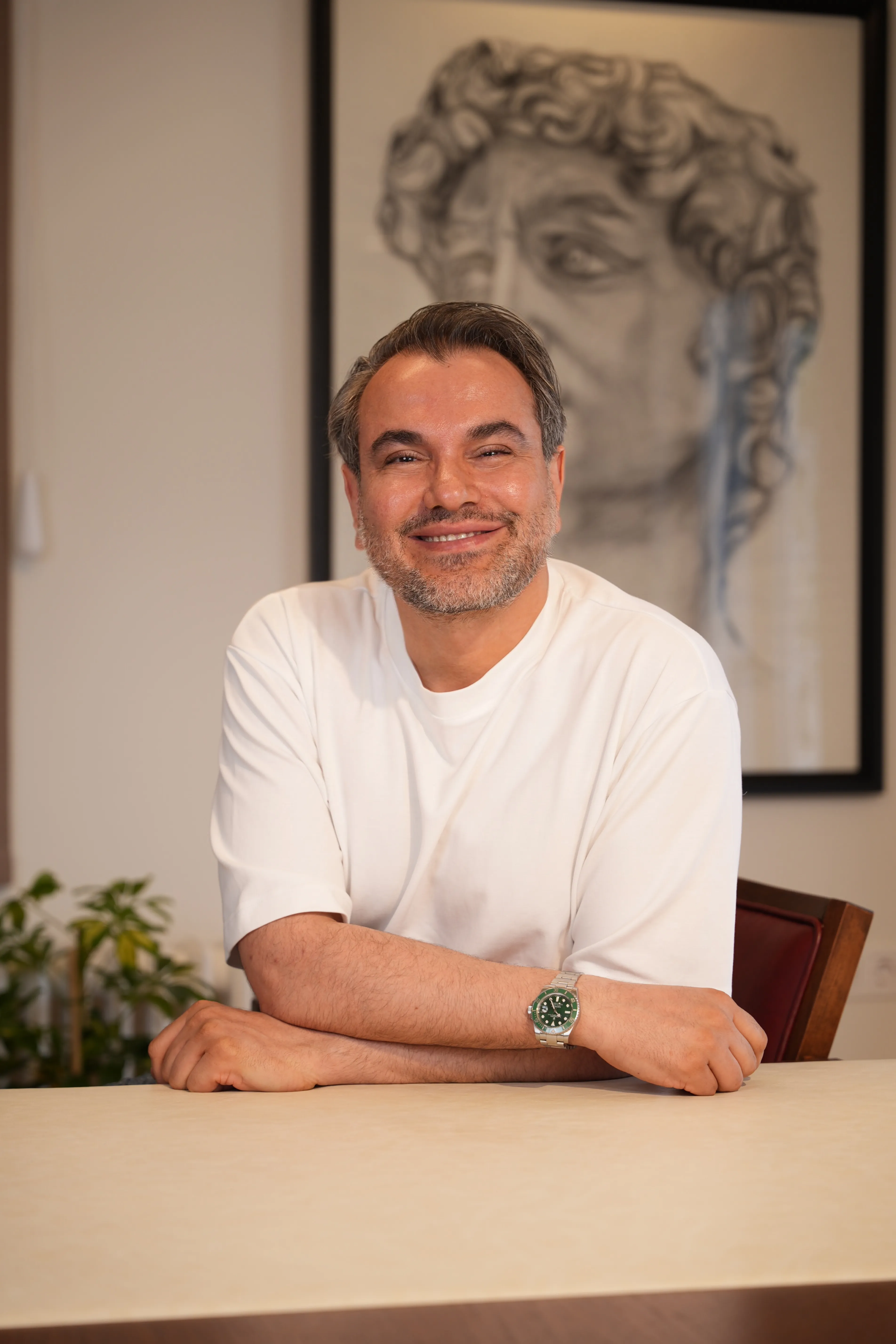
Dr. Abdurrahman Efem
Dr. Abdurrahman Efem is a medical aesthetic physician specializing in facial rejuvenation, non-surgical aesthetic treatments, and regenerative medicine. His approach focuses on enhancing natural beauty through personalized treatment plans designed around each patient's unique features and goals. Dr. Efem works with both local and international patients, emphasizing balanced, natural-looking results and long-term aesthetic wellbeing. This content has been prepared or medically reviewed by Dr. Abdurrahman Efem to ensure accuracy and relevance.