

Ultherapy vs Endoscopic Facelift: Which Fits Your Stage of Sagging?
Treatment Comparison
Ultherapy vs Endoscopic Facelift: Which Fits Your Stage of Sagging?
Ultherapy and an endoscopic facelift both address facial sagging, but they work at very different levels – one non-surgically stimulates your own collagen, the other surgically repositions tissue. Understanding this difference is the starting point for deciding which fits your specific degree of change.
Ask Which Option Suits You Book a Consultation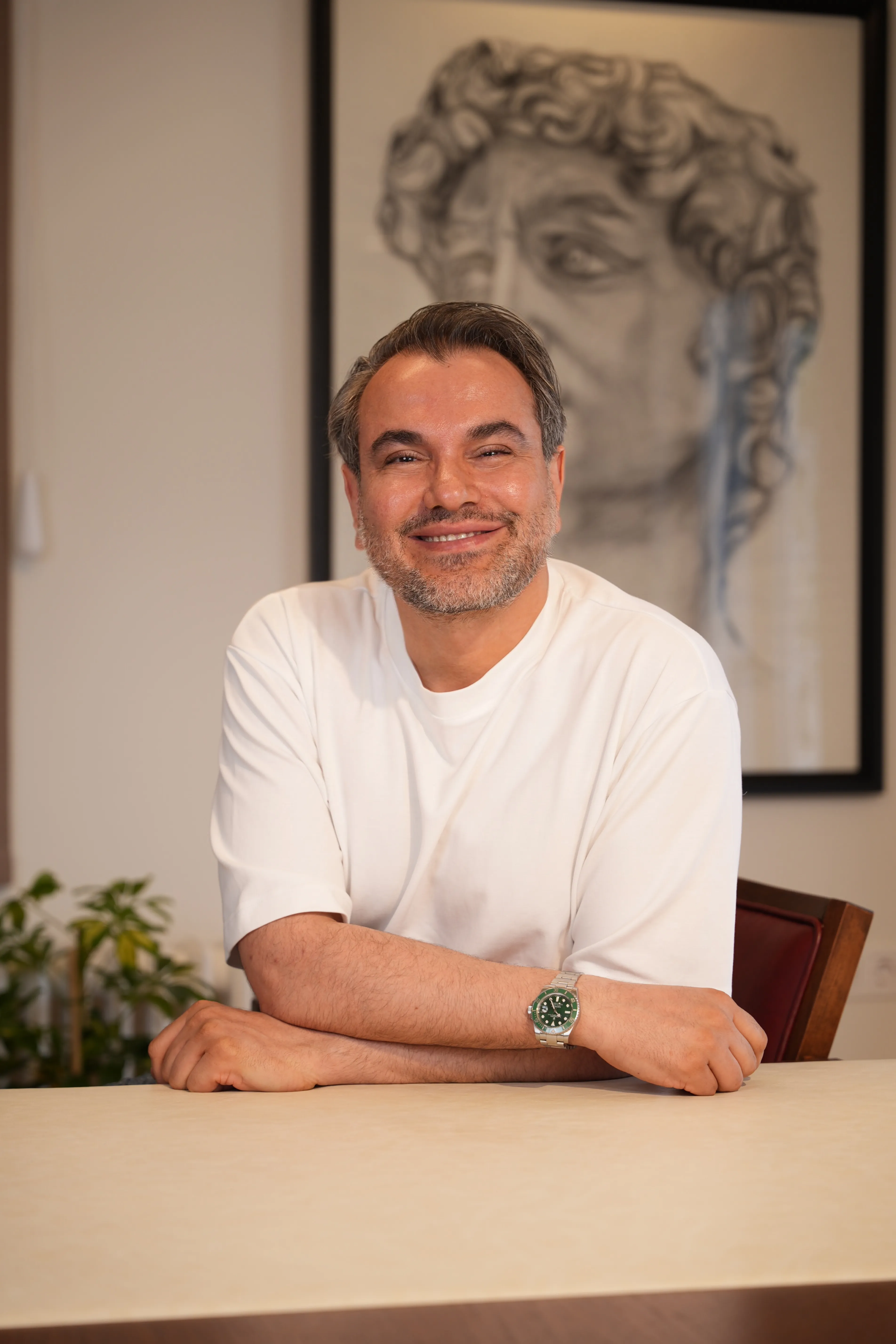
Quick Answer
Ultherapy uses focused ultrasound to stimulate your own collagen and is best suited to mild to moderate sagging, offering gradual, non-surgical improvement with no downtime. An endoscopic facelift is a surgical procedure that physically repositions deeper facial tissue, and is generally more appropriate for moderate to significant sagging that non-surgical options can't adequately address.
Neither is universally "better" – the right choice depends heavily on your current degree of sagging, how much change you're looking for, and your comfort with surgery versus a non-surgical approach. This is very much a personal decision best made with a thorough doctor assessment.
Side-by-Side Comparison
| Factor | Ultherapy | Endoscopic Facelift |
|---|---|---|
| Approach | Non-surgical, ultrasound-based | Surgical, small incisions with camera guidance |
| Best suited for | Mild to moderate sagging | Moderate to significant sagging |
| Downtime | None | Meaningful recovery period required |
| Result timeline | Gradual over 2–6 months | More immediate, visible after healing |
| Degree of change | Subtle, natural-looking firming | More substantial repositioning |
The core distinction is one of degree: Ultherapy supports and firms existing tissue, while an endoscopic facelift physically repositions it. Someone with early signs of sagging and someone with more advanced changes are simply not the same starting point.
Not Sure Which Category You're In?
Send a few clear photos and your main concern on WhatsApp. Our team can help point you toward the right consultation before you book anything.
Ask on WhatsAppWhen Ultherapy Tends to Be the Better Fit
Ultherapy suits patients with mild to moderate laxity who want a non-surgical improvement without downtime – often those noticing early sagging along the jawline or neck rather than significant, hanging tissue. It's also a common choice for patients who want to delay or avoid surgery for as long as possible.
Learn more in our facial Ultherapy guide, or see how it compares to another non-surgical option in our Ultherapy vs HIFU comparison.
When a Surgical Option Tends to Be More Appropriate
More significant sagging – particularly involving deeper structural changes rather than surface skin laxity – is generally better addressed surgically, since non-surgical technologies work with existing tissue rather than repositioning it. If you're at this stage, an honest consultation will make that clear rather than recommending a non-surgical option unlikely to meet your expectations.
This decision is significant enough that it deserves a proper surgical consultation alongside any non-surgical assessment, so you can compare both paths with full information.
Why This Isn't About One Being Superior
It's tempting to frame non-surgical options as automatically "better" because they avoid downtime, but that framing misses the point. These treatments work at fundamentally different levels of intervention, and the honest answer to which is right depends entirely on your specific anatomy and goals – not a general preference for surgical or non-surgical approaches.
This individualized thinking is central to the Efem Method, which guides every consultation at our clinic.
Matching the Approach to Your Stage
Dr. Abdurrahman Efem is a medical aesthetic physician and ministry-appointed medical aesthetics trainer with extensive experience in Ultherapy and non-surgical facial rejuvenation. Every consultation follows the Efem Method – an honest assessment of whether your degree of sagging is genuinely suited to a non-surgical approach.
Meet Dr. Efem Ask on WhatsAppRelated Guides
Frequently Asked Questions
Can Ultherapy replace a facelift?
For mild to moderate sagging, Ultherapy can offer meaningful improvement, but for more significant sagging, it cannot replicate what surgical repositioning achieves.
How do I know which stage of sagging I'm at?
This is best determined through a doctor assessment, ideally with photos or an in-person consultation, since self-assessment can be difficult to judge accurately.
Is there downtime with an endoscopic facelift?
Yes, as a surgical procedure it involves a meaningful recovery period, unlike Ultherapy which has no downtime.
Can Ultherapy be used to delay surgery?
Some patients use Ultherapy as a way to support their skin quality and delay considering surgery, though this depends on individual anatomy and goals.
Which gives longer-lasting results?
Surgical repositioning generally produces longer-lasting structural change, while Ultherapy's results are more gradual and typically require ongoing maintenance over time.
Will I be told honestly if I need surgery instead?
Yes, if your degree of sagging is better suited to a surgical consultation, this will be discussed directly rather than proceeding with a non-surgical option unlikely to meet your expectations.
Doctor’s Note
One of the most valuable things I can do in a consultation is honestly place a patient on the spectrum between "non-surgical is genuinely enough" and "surgery would serve you better." Both options have real value – the mismatch happens when the wrong one is applied to the wrong degree of change.
Not Sure Which Path Fits You?
Send your photos and main concern on WhatsApp. Our team will guide you toward the assessment that fits your specific stage of sagging.
Send Your Photos on WhatsApp Contact Efem ClinicDoctor-led planning · Private villa clinic in Levent · International patient support
About Dr. Abdurrahman Efem
Dr. Abdurrahman Efem
Dr. Abdurrahman Efem is a medical aesthetic physician specializing in facial rejuvenation, non-surgical aesthetic treatments, and regenerative medicine. His approach focuses on enhancing natural beauty through personalized treatment plans designed around each patient's unique features and goals. Dr. Efem works with both local and international patients, emphasizing balanced, natural-looking results and long-term aesthetic wellbeing. This content has been prepared or medically reviewed by Dr. Abdurrahman Efem to ensure accuracy and relevance.