


Ultherapy vs HIFU: What Is the Difference?
Ultherapy vs HIFU in Istanbul
Ultherapy vs HIFU: What Is the Difference for Non-Surgical Skin Tightening?
Ultherapy and HIFU are both ultrasound-based treatments used for non-surgical skin tightening, but they are not the same. The main differences usually involve device quality, imaging, energy control, treatment planning, depth precision and clinical consistency.
This guide explains the difference in a clear way for patients comparing Ultherapy treatment in Istanbul with general HIFU treatments.
Ask for Ultherapy Assessment View Ultherapy Treatment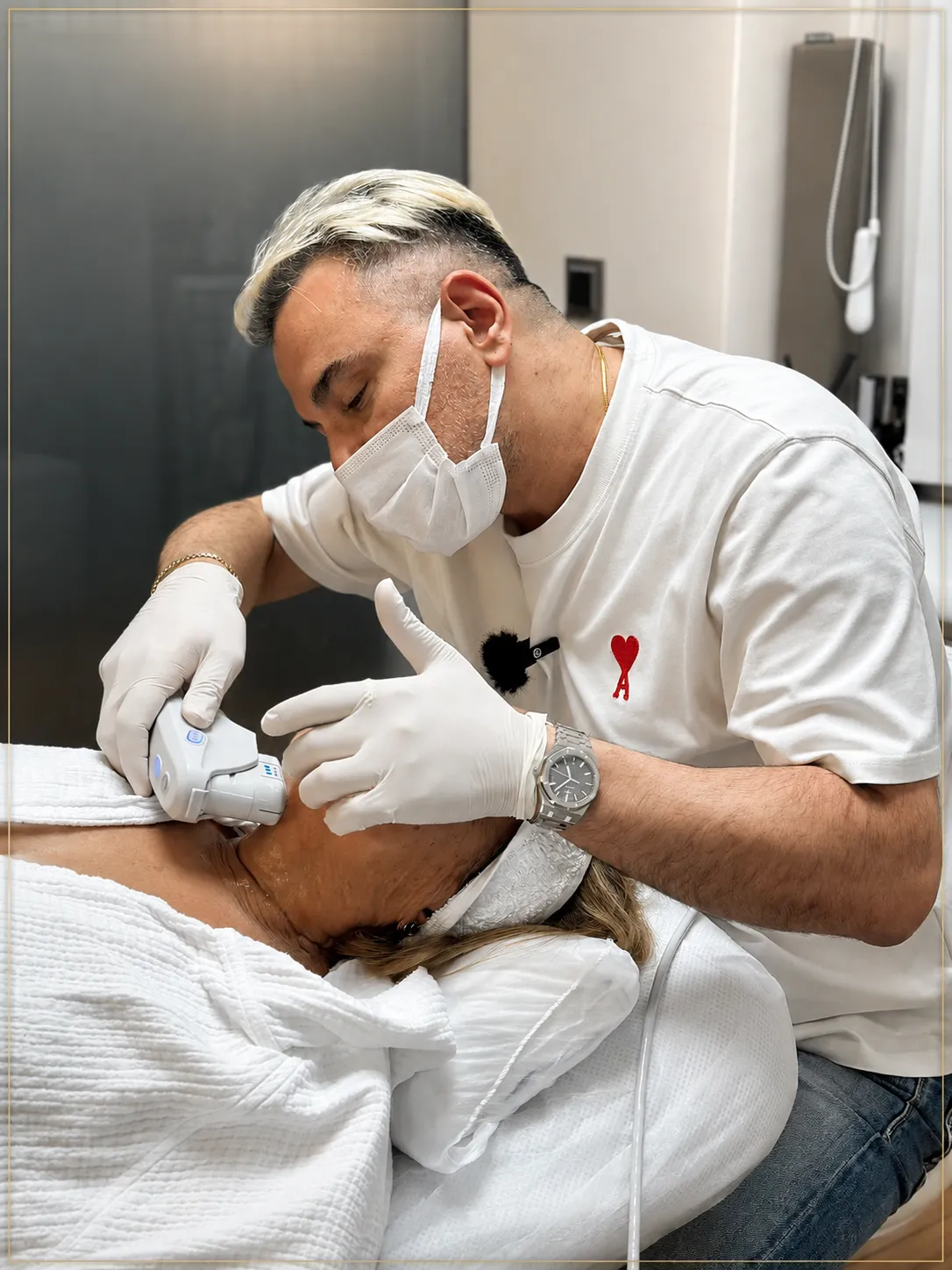
Quick answer: Ultherapy is a branded, ultrasound-guided MFU treatment with real-time imaging. HIFU is a broader term used for many focused ultrasound devices, which may vary significantly in quality, imaging, precision and protocol.
What Is Ultherapy?
Ultherapy is a non-surgical skin tightening treatment that uses micro-focused ultrasound energy to stimulate collagen production in deeper tissue layers. It is commonly used for the face, jawline, neck, under-chin area and brow region in suitable patients.
A key feature of Ultherapy is real-time ultrasound imaging. This allows the physician to visualize tissue depth before delivering energy, helping guide treatment to the intended layer. You can read the full introduction here: What is Ultherapy?
What Is HIFU?
HIFU means high-intensity focused ultrasound. In aesthetic medicine, the term is often used for non-surgical lifting and skin tightening devices that deliver focused ultrasound energy into selected tissue depths.
The important point is this: HIFU is not one single device. It is a category. Different HIFU machines can vary in energy delivery, calibration, cartridges, depth control, safety features, comfort and operator dependency.
Ultherapy vs HIFU: Main Differences
Ultherapy includes real-time ultrasound imaging. Many general HIFU devices do not provide the same level of visualization. Imaging matters because skin thickness, fat layer, SMAS depth and anatomy are not identical in every patient.
Both treatments may target deeper support layers, but precision depends on device quality and planning. For more detail, read which skin layers Ultherapy targets.
Ultherapy is known for targeting the SMAS layer in selected areas. The SMAS is one of the deeper support layers involved in facial laxity. Learn more here: What is the SMAS layer?
Ultherapy is a specific branded system. HIFU is a broad category, so results and experience can vary depending on the device, cartridge quality and practitioner.
The device matters, but the medical plan matters more. A good result depends on patient selection, anatomy, correct depth, correct indication and realistic expectations.
Which One Is Better: Ultherapy or HIFU?
There is no honest one-word answer. In general, Ultherapy is often preferred when the patient wants a more controlled, ultrasound-guided, doctor-led approach. HIFU may be suitable in some settings, but quality differs greatly between devices and clinics.
At Efem Clinic, the decision is not made only by treatment name. Dr. Abdurrahman Efem evaluates facial anatomy, skin laxity, tissue thickness, jawline structure, neck condition and long-term goals before recommending Ultherapy, Endolift, Morpheus8 or a combined plan.
Ultherapy vs HIFU for Jawline, Neck and Face
Patients usually compare Ultherapy and HIFU for concerns such as jawline softness, mild facial sagging, neck laxity, under-chin looseness and early loss of facial definition. These concerns may look similar, but the cause can be different in each patient.
For example, a softer jawline may come from skin laxity, tissue descent, volume loss, fat distribution, weak chin support or a combination of factors. That is why a proper assessment matters more than choosing a device from a menu.
Session, Pain and Downtime Comparison
Ultherapy treatment time usually depends on the area: face, neck, jawline, under-chin or brow. HIFU session time also varies by device and protocol.
Both treatments may cause temporary warmth, tingling or brief discomfort during energy delivery. Comfort depends on treatment area, energy settings and personal sensitivity.
Most patients return to daily life shortly after Ultherapy. Temporary redness, tenderness, mild swelling or sensitivity may occur. For aftercare, see the Ultherapy aftercare guide.
Results develop gradually as collagen remodeling occurs. Read more here: When will you see Ultherapy results?
Why Doctor-Led Planning Matters
Ultrasound lifting is not just pressing a device on the skin. The result depends on reading the face correctly. Some patients need skin tightening. Some need collagen stimulation. Some need jawline support. Some need Endolift, Morpheus8, filler planning or a staged approach.
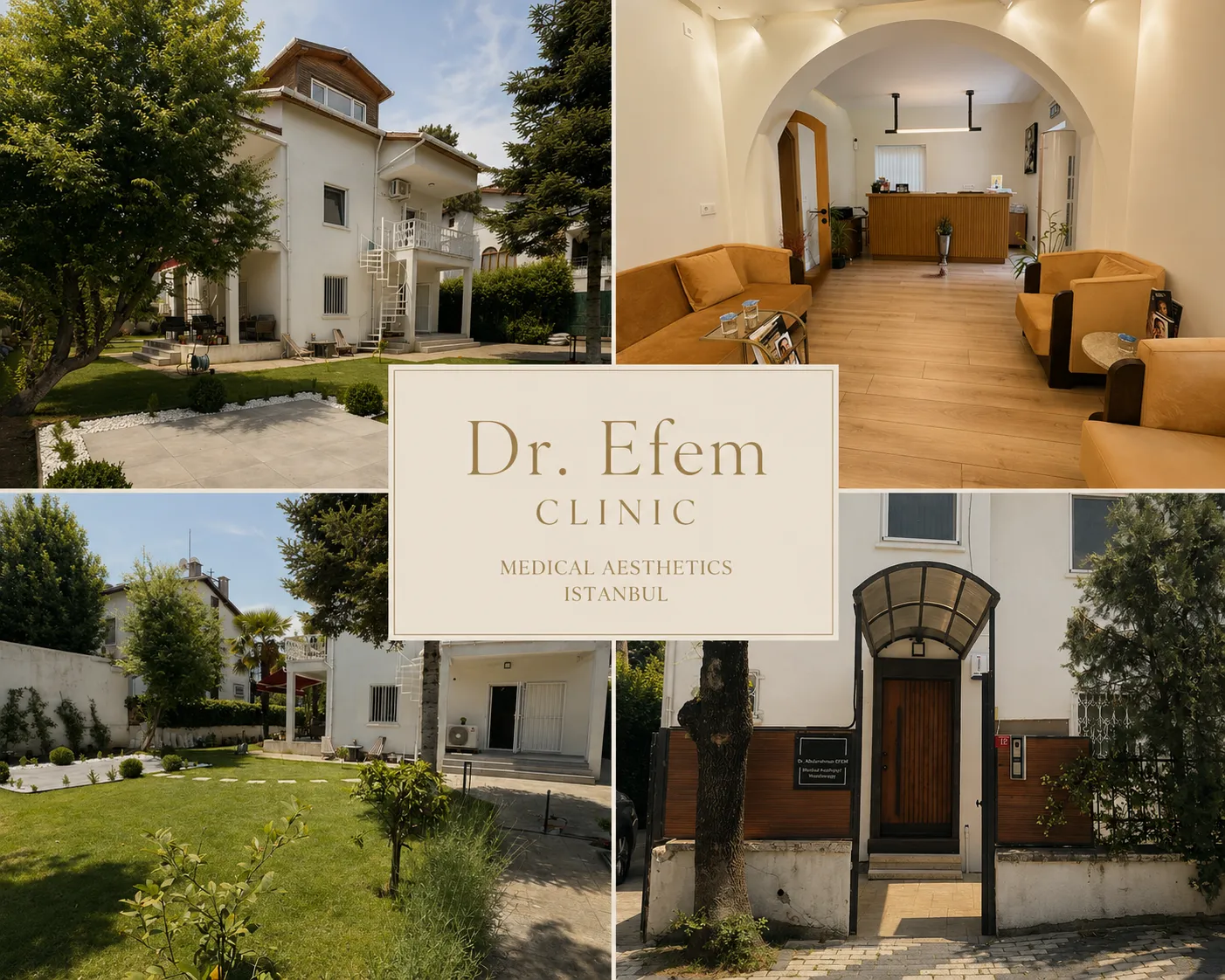
At Efem Clinic in Levent, Istanbul, key aesthetic treatments are planned and performed by Dr. Abdurrahman Efem. He is a medical aesthetic physician and trainer in advanced aesthetic applications including Ultherapy, Endolift, Morpheus8 and advanced filler treatments.

Ultherapy Assessment at Efem Clinic
If you are comparing Ultherapy vs HIFU, the right question is not only “which device is stronger?” The better question is “which treatment plan fits my anatomy, skin laxity and expectations?”
Ask on WhatsApp About Dr. EfemRelated Ultherapy Guides
How Ultherapy Works What Is Ultherapy? SMAS Layer Is Ultherapy Safe? Good Candidates Aftercare GuideFrequently Asked Questions
Is Ultherapy the same as HIFU?
No. HIFU is a general category of focused ultrasound treatments. Ultherapy is a specific branded micro-focused ultrasound treatment with real-time ultrasound imaging.
Which is better, Ultherapy or HIFU?
It depends on the device, the provider and the patient’s anatomy. Ultherapy is often preferred when imaging, depth visualization and controlled planning are priorities.
Does Ultherapy work better than HIFU for the jawline?
Ultherapy may be suitable for jawline definition in patients with mild to moderate laxity. However, jawline concerns can also involve volume loss, chin structure or fat distribution, so assessment is necessary.
Does Ultherapy target the SMAS layer?
Ultherapy can target deeper support layers including the SMAS layer in selected areas. This is one of the reasons it is used for non-surgical lifting in suitable candidates.
Is Ultherapy safer than HIFU?
Safety depends on patient selection, device quality, energy settings and practitioner experience. Ultherapy’s imaging can help guide energy delivery, but a medical assessment is still essential.
Does Ultherapy hurt more than HIFU?
Comfort varies from person to person. Some patients feel warmth, tingling or brief discomfort during energy delivery. Comfort also depends on treatment area and protocol.
How long do Ultherapy results take compared with HIFU?
Both treatments rely on collagen remodeling, so results are gradual. Ultherapy results are often evaluated over the following 2 to 6 months, depending on skin quality, age and individual collagen response.
Can Ultherapy replace a facelift?
No. Ultherapy is non-surgical and does not replace surgical facelift results. It may help improve mild to moderate laxity in suitable patients who prefer a non-surgical option.
Can Ultherapy be combined with Endolift or Morpheus8?
In selected patients, combination planning may be useful. Endolift, Morpheus8 and Ultherapy work differently, so the sequence and suitability should be decided after a doctor-led assessment.
Who is a good candidate for Ultherapy instead of HIFU?
Patients who want a branded, ultrasound-guided treatment for mild to moderate laxity may be considered for Ultherapy. Candidacy depends on skin thickness, laxity level, treatment area and expectations.
Trying to Decide Between Ultherapy and HIFU?
The right choice depends on your skin, anatomy, laxity level and expectations. At Efem Clinic in Levent, Istanbul, the goal is not to sell a device name, but to choose the most medically appropriate plan for a natural-looking result.
Contact on WhatsApp Contact ClinicAbout Dr. Abdurrahman Efem

Dr. Abdurrahman Efem
Dr. Abdurrahman Efem is a medical aesthetic physician specializing in facial rejuvenation, non-surgical aesthetic treatments, and regenerative medicine. His approach focuses on enhancing natural beauty through personalized treatment plans designed around each patient's unique features and goals. Dr. Efem works with both local and international patients, emphasizing balanced, natural-looking results and long-term aesthetic wellbeing. This content has been prepared or medically reviewed by Dr. Abdurrahman Efem to ensure accuracy and relevance.