


Is Ultherapy Safe? What to Know Before Non-Surgical Skin Tightening
Ultherapy Safety Guide
Is Ultherapy Safe? What to Know Before Non-Surgical Skin Tightening
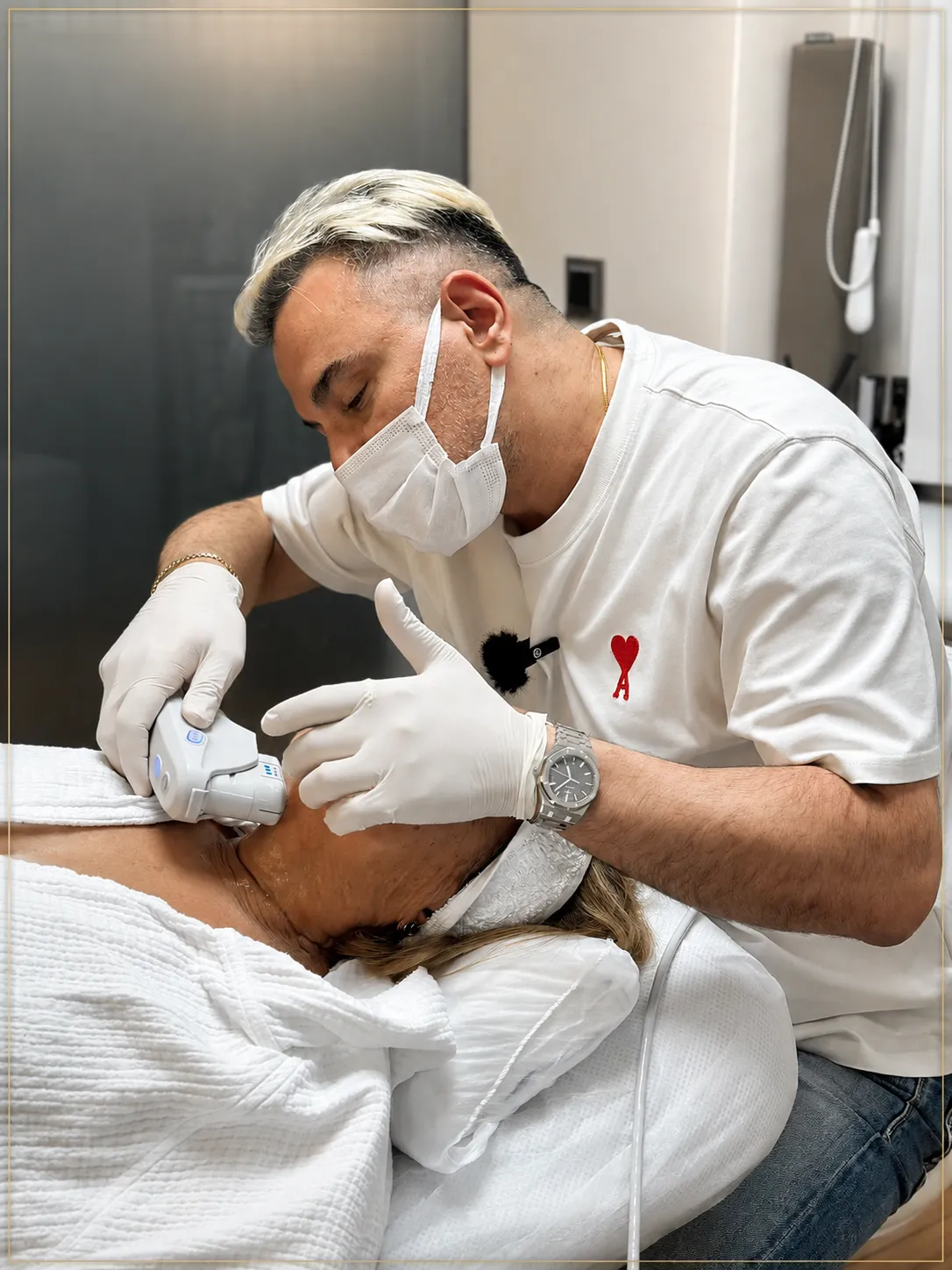
Ultherapy is a non-surgical focused ultrasound treatment used for selected cases of skin laxity, facial firmness, jawline definition and neck tightening. Like any medical aesthetic procedure, its safety depends on the right candidate, correct depth selection and doctor-led planning.
At Efem Clinic in Levent, Istanbul, Ultherapy planning is based on facial anatomy, skin quality, laxity level and realistic expectations. The goal is not aggressive lifting. The goal is a measured, natural-looking improvement where Ultherapy is actually suitable.
Ask About Ultherapy Safety View Ultherapy TreatmentYou can send front, side and angled photos on WhatsApp for a preliminary suitability discussion before travelling to Istanbul.
Anatomy and skin quality first
Non-surgical tissue targeting
Private premium clinic
Photo review and travel timing
Quick Answer
Ultherapy can be a safe and useful option for selected patients when performed with proper assessment, correct depth selection and realistic planning. It uses focused ultrasound energy, not ionizing radiation.
It may help patients with mild to moderate skin laxity in areas such as the face, jawline, under-chin, neck and brow. It cannot replace facelift surgery, remove large fat deposits or correct advanced skin sagging.
The most important safety factor is not the device alone. It is the person deciding where, how deep and how strongly to treat. That is why a doctor assessment matters before choosing Ultherapy treatment in Istanbul.
What Makes Ultherapy a Safety-Sensitive Treatment?
Ultherapy works by delivering focused ultrasound energy to selected tissue layers. These layers may include deeper connective tissue and the SMAS layer, which is one of the support structures involved in facial laxity.
This depth-based targeting is exactly why assessment matters. A safe plan should consider skin thickness, facial fat distribution, laxity level, treatment zone, previous fillers, previous procedures and the patient’s expectations.
For a deeper explanation of tissue targeting, read which skin layers Ultherapy targets and how Ultherapy works.
Ultherapy Safety Checklist
Patient suitability
Mild to moderate laxity usually responds better than advanced sagging. Severe laxity may require surgical assessment.
Treatment depth
Different areas need different depths. Treating without anatomical planning can reduce comfort and predictability.
Previous treatments
Fillers, threads, surgery history and recent energy treatments should be reviewed before the session.
Aftercare
Most aftercare is simple, but following guidance helps reduce unnecessary irritation after treatment.
Common Side Effects After Ultherapy
Most expected reactions are temporary. They can include redness, mild swelling, tenderness, warmth, tingling, tightness or sensitivity when touching the treated area. These effects vary by patient, treatment area and treatment intensity.
More noticeable or prolonged symptoms should be discussed with the clinic. The purpose of medical planning is to reduce unnecessary risk, avoid overtreatment and guide the patient clearly after the session.
Read Ultherapy Aftercare GuideSession, Discomfort, Downtime and Results
Usually 30 to 90 minutes depending on the treated areas.
Heat, tingling or deep pressure may be felt during energy delivery.
Most patients return to daily routines shortly after the procedure.
Changes usually develop gradually as collagen remodeling progresses.
For realistic timing, see when Ultherapy results may become visible.
Who May Not Be a Good Candidate?
Ultherapy may not be the right choice for every patient. If the main concern is significant excess skin, heavy lower-face sagging, large fat deposits, severe volume loss or a surgical-level neck problem, another plan may be more appropriate.
Patients with active skin infection, open wounds in the treatment area, certain implanted devices, pregnancy, recent aggressive procedures or unclear medical history should be assessed carefully before treatment.
To understand suitability better, read who is a good candidate for Ultherapy.
Ultherapy vs Other Tightening Options: Safety Depends on the Goal
Ultherapy
Often considered for mild to moderate laxity, jawline softness, neck firmness and collagen support without surgery.
Endolift
May be considered when contouring, tightening and submental or jawline definition need a different laser-assisted approach.
Morpheus8
May be more relevant when texture, pores, acne scars and RF microneedling-based skin remodeling are key concerns.
For comparison searches, review Ultherapy vs HIFU and Endolift vs Ultherapy.
Doctor Authority
Why Doctor-Led Ultherapy Planning Matters
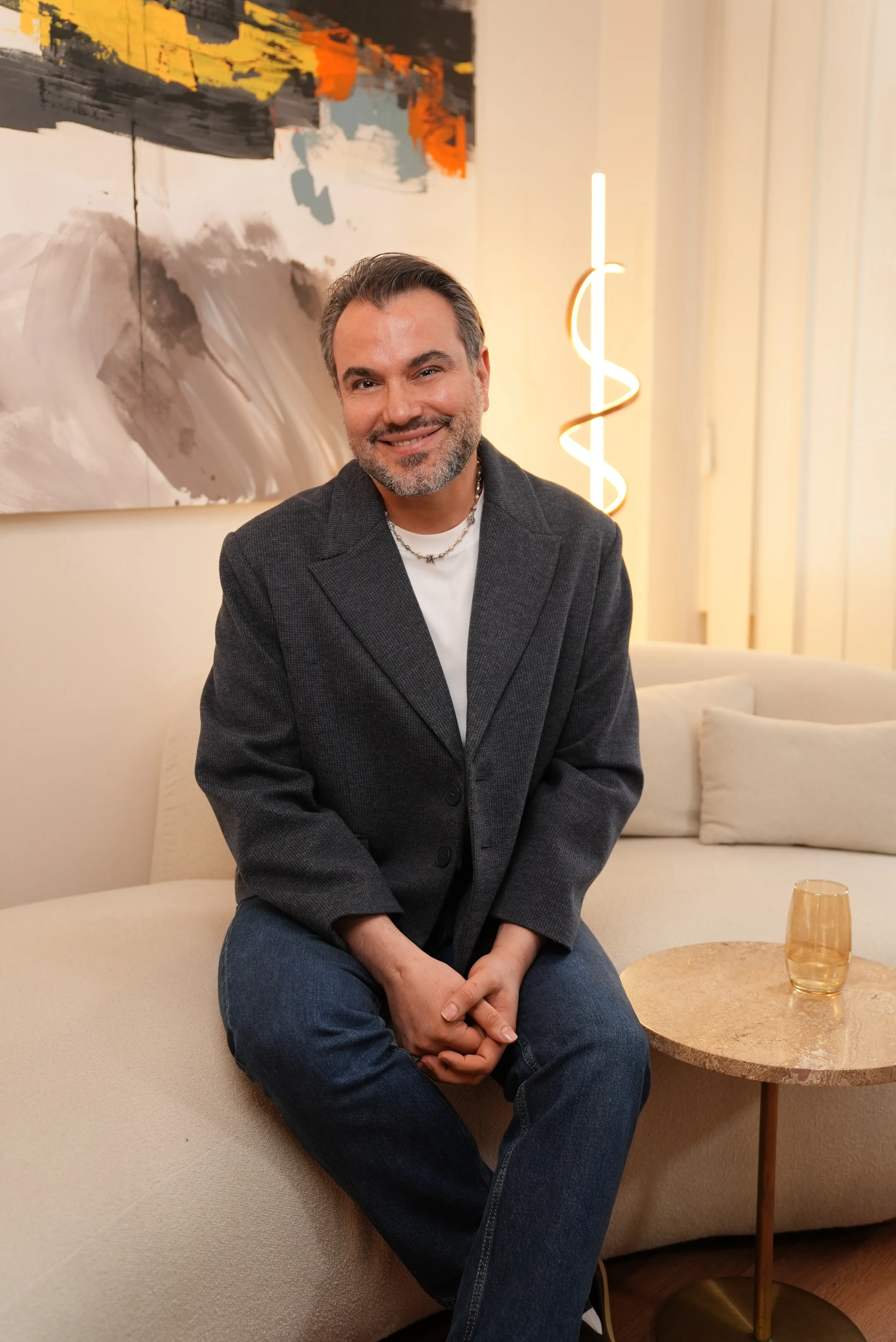
Dr. Abdurrahman Efem personally plans and performs key medical aesthetic treatments at Efem Clinic. His approach focuses on facial anatomy, natural-looking improvement and avoiding unnecessary or excessive treatment.
He has trainer-level experience in advanced aesthetic applications including Ultherapy, Endolift, Morpheus8 and advanced filler planning. This matters because safety is not just about the device; it is about clinical judgment.
Meet Dr. Efem Education & ExpertiseInternational Patients: Safety Before Travel
Many international patients consider Ultherapy in Istanbul because treatment pricing may be more accessible compared with many UK, European or Gulf clinics. Still, price should not be the main decision factor. The priority should be medical suitability, device quality, doctor planning and realistic expectations.
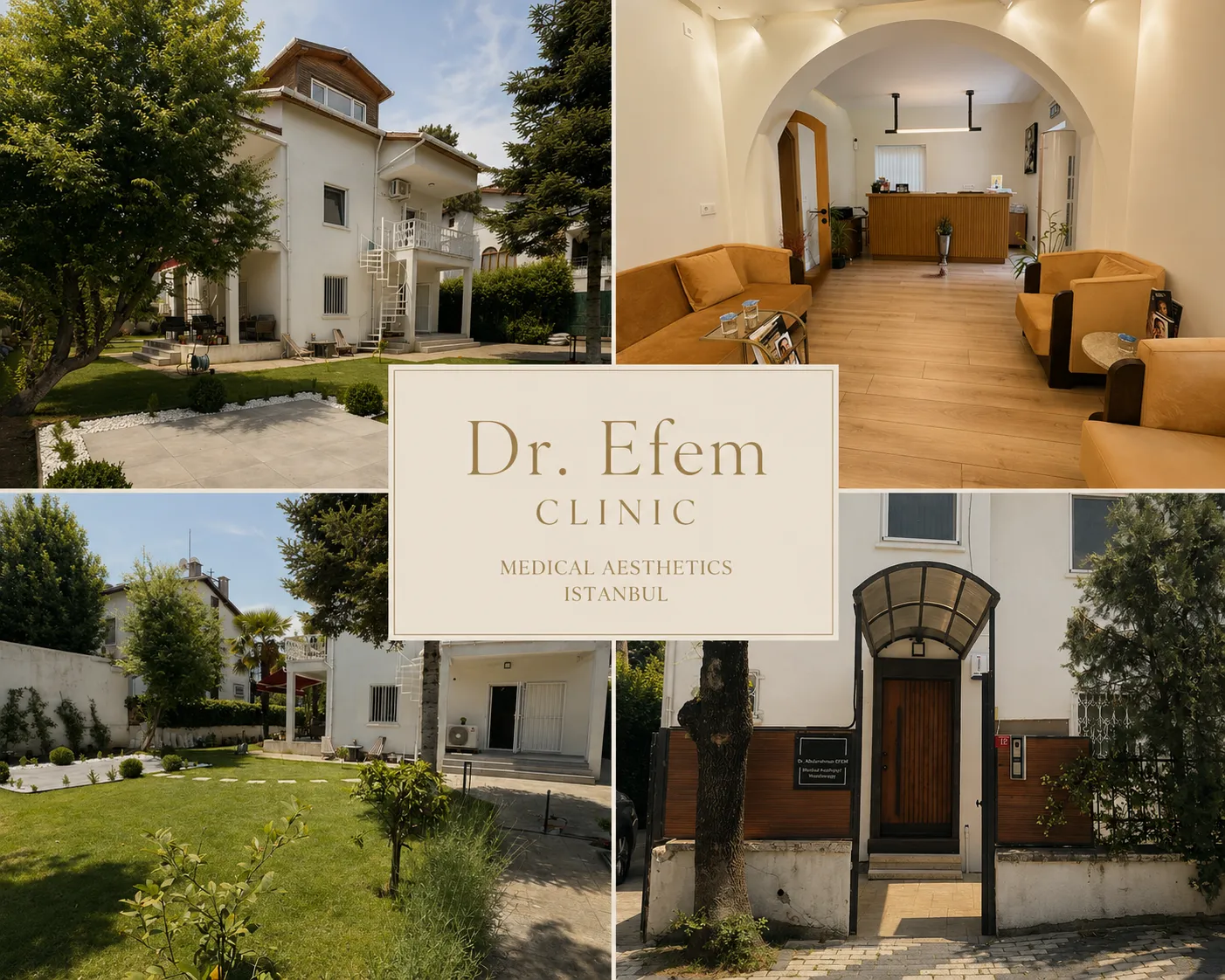
Efem Clinic is located in Levent, close to Etiler, Beşiktaş, Maslak and central Istanbul. Before travelling, patients can send photos via WhatsApp and ask about appointment timing, expected visit duration and hotel area recommendations.
Send Photos on WhatsAppPrivate Clinic Environment
Discreet Ultherapy Planning in Levent, Istanbul
Efem Clinic is a premium, privacy-focused medical aesthetic clinic in Levent. The clinic environment is designed for patients who value discretion, calm consultation and doctor-led treatment decisions.
For additional trust signals, you may also review Efem in Media and the Before & After Gallery.
Related Ultherapy Guides
Frequently Asked Questions
Is Ultherapy safe?
Ultherapy can be a suitable non-surgical tightening option when the patient is selected correctly and the treatment is performed by a trained medical professional. Safety depends on anatomy, treatment depth, protocol and aftercare.
Does Ultherapy use radiation?
No. Ultherapy uses focused ultrasound energy. It is not ionizing radiation.
Can Ultherapy cause cancer?
Ultherapy uses ultrasound energy, not ionizing radiation. Patients with a cancer history or active medical concerns should discuss suitability with their physician before cosmetic treatment.
Can Ultherapy damage nerves?
Temporary nerve-related sensations are uncommon but possible with energy-based treatments. Anatomical knowledge, correct treatment zones and appropriate depth selection help reduce avoidable risk.
Does Ultherapy burn fat?
Ultherapy is primarily planned for skin tightening and collagen stimulation. It is not a weight loss or fat removal procedure. Patient anatomy should be evaluated carefully, especially in lean faces.
Can Ultherapy make the face look thinner?
Some patients may notice more definition due to tightening, but Ultherapy is not intended as a slimming procedure. In patients with low facial volume, careful planning is important.
Is Ultherapy safe after fillers?
It depends on filler type, placement, timing and treatment area. Patients should inform the doctor about all previous fillers before Ultherapy planning.
Is Ultherapy safe after Botox?
Ultherapy and botulinum toxin work differently. They can be part of a broader plan when sequencing and timing are chosen correctly by the doctor.
Is Ultherapy safe during pregnancy?
Cosmetic Ultherapy is generally not recommended during pregnancy. Treatment timing should be discussed with a healthcare professional.
Is Ultherapy safe while breastfeeding?
Suitability during breastfeeding should be discussed with the treating physician. Many clinics prefer conservative timing for elective aesthetic procedures.
Is Ultherapy safe for darker skin tones?
Because Ultherapy targets deeper tissue with ultrasound rather than treating pigment on the skin surface, it may be considered across a wide range of skin tones. Individual assessment is still necessary.
What are normal side effects after Ultherapy?
Temporary redness, tenderness, mild swelling, tingling, tightness or sensitivity can occur. Symptoms vary by treatment area and patient response.
When should I contact the clinic after Ultherapy?
Contact the clinic if you experience unexpected, severe, prolonged or concerning symptoms. It is better to ask the treating team than to guess.
Is Ultherapy safer than HIFU?
Safety depends on the device, imaging capability, practitioner training, patient selection and treatment protocol. For a focused comparison, read our Ultherapy vs HIFU guide.
Doctor’s Note
Ultherapy safety should never be reduced to “the device is safe” or “the treatment is safe for everyone.” The correct question is: is Ultherapy suitable for this patient, this anatomy, this concern and this expectation? That is where proper consultation makes the difference.
Not Sure If Ultherapy Is Safe for Your Face or Neck?
Send your photos and main concern to Efem Clinic. We can guide you about whether Ultherapy, Endolift, Morpheus8, filler planning or a different approach may be more suitable for your anatomy.
Ask on WhatsApp Contact ClinicAbout Dr. Abdurrahman Efem

Dr. Abdurrahman Efem
Dr. Abdurrahman Efem is a medical aesthetic physician specializing in facial rejuvenation, non-surgical aesthetic treatments, and regenerative medicine. His approach focuses on enhancing natural beauty through personalized treatment plans designed around each patient's unique features and goals. Dr. Efem works with both local and international patients, emphasizing balanced, natural-looking results and long-term aesthetic wellbeing. This content has been prepared or medically reviewed by Dr. Abdurrahman Efem to ensure accuracy and relevance.