


Ultherapy Recovery Time
Ultherapy Recovery, Return to Daily Life and Aftercare Guide
Ultherapy Recovery Time: What to Expect Day by Day
Ultherapy is a non-invasive microfocused ultrasound treatment that does not require surgical incisions, stitches or a conventional postoperative recovery period. Many patients can return to their usual activities after treatment. However, this does not mean that redness, swelling, tenderness or temporary sensory changes can never occur.
Ultherapy recovery time and the time it takes for results to develop are not the same thing. Social and functional recovery can be relatively quick, while collagen remodelling and visible treatment changes develop over a longer period.
Request an Ultherapy Assessment Explore Ultherapy Ultherapy AftercareIf you have an important meeting, wedding, photography session or upcoming trip, it is sensible to allow for the possibility of individual redness, swelling or tenderness when scheduling your treatment.
There are no incisions, stitches or conventional wound-care requirements.
Many patients can continue normal activities relatively quickly.
Redness, swelling, tenderness or sensory changes can still occur.
Looking fully recovered does not mean collagen remodelling has finished.
Quick Answer: How Long Is Ultherapy Recovery?
Ultherapy does not usually require a conventional surgical recovery period, and many patients can continue their normal activities after treatment.
Temporary redness, mild swelling, tenderness, sensitivity to touch, tingling or altered sensation may nevertheless occur during the early period.
These reactions do not last exactly the same amount of time in every patient. Some superficial changes may settle relatively quickly, while tenderness or sensory changes can sometimes be noticed for longer.
Fast recovery does not mean that the final result should be visible immediately. The tissue and collagen-remodelling response targeted by Ultherapy develops over weeks and months.
Why Is Ultherapy Recovery Different From Surgical Lifting?
Ultherapy delivers microfocused ultrasound energy to selected tissue depths without creating a surgical incision in the skin.
As a result, treatment does not involve:
- Stitch care
- Surgical incision healing
- The bandaging typically associated with facelift recovery
- Recovery from general anaesthesia
Being non-invasive does not mean the tissue has no response to treatment. Temporary redness, swelling or tenderness may still occur.
For more information about the treatment itself, read What Is Ultherapy?.
What Happens in the First Hours After Ultherapy?
After treatment, early reactions may occur depending on the individual tissue response.
Some patients may notice:
- Mild redness
- Mild swelling
- A sensation of warmth or sensitivity
- Tenderness when the area is touched
- Temporary tingling
Many patients can leave the clinic normally and continue with their daily routine. However, the visibility of early reactions differs between individuals, so same-day social plans should be considered accordingly.
The First 24 Hours After Ultherapy
During the first day, some patients notice very little externally, while redness or mild oedema may be more apparent in others.
The treatment area may:
- Feel slightly more sensitive than usual
- Feel tender when touched
- Appear mildly swollen
- Feel tingly in selected areas
Follow the post-treatment instructions provided by your doctor. General information online should not replace individual aftercare advice.
Two to Three Days After Ultherapy
For many patients, early visible reactions become progressively less noticeable. Tenderness or sensitivity to pressure may nevertheless remain.
A patient can look completely normal externally while still noticing tenderness within the treated tissue.
Looking normal on the outside does not mean that the biological tissue response has finished.
The First Week After Ultherapy
Many patients can continue their usual lifestyle during the first week.
Depending on individual response, some may still notice:
- Tenderness to touch
- Sensitivity beneath the skin
- A mild feeling of swelling
- Tingling
- Temporary numbness or altered sensation
Symptoms that gradually become less noticeable are more consistent with recovery. Symptoms that become worse or are associated with new motor changes should be discussed with the treating clinic.
Ultherapy Recovery Timeline
| Period | What You May Notice | Daily Life |
|---|---|---|
| First hours | Redness, mild swelling, warmth or tenderness | Many people can continue normal activities |
| First 24 hours | Tenderness, mild oedema or tingling | Social downtime depends on individual reaction |
| 2–3 days | Visible reactions may decrease while tenderness can remain | Most daily activities can usually continue |
| First week | Some tenderness or sensory changes may persist | Normal routine is generally possible |
| Following weeks | The face may look fully recovered while remodelling continues | Normal lifestyle |
| Following months | Visible changes related to collagen response can be assessed gradually | This is primarily a result-development phase rather than recovery |
This timeline provides a general framework only. Individual tissue response and treatment scope can vary.
When Can You Return to Work After Ultherapy?
Most patients do not require a formal return-to-work date after Ultherapy. Because there is no surgical incision, many can return to work the same day or the following day.
If your work involves:
- Being on camera
- Close-up photography
- Important presentations
- Frequent face-to-face interaction
you may prefer to allow some flexibility for possible redness or mild swelling.
Being physically able to work and having absolutely no visible reaction are not the same thing.
When Can You Return to Social Activities?
Many patients do not need to interrupt their social routine.
However, aesthetic “social downtime” can depend on:
- How visible redness is
- The individual's tendency to swell
- The treatment area
- Personal tolerance for temporary reactions
For events where appearance is especially important, such as a wedding or professional photo session, leaving additional time between treatment and the event can provide more flexibility.
Does the Face Swell After Ultherapy?
Mild swelling can occur, and the degree varies between individuals.
Early swelling:
- Is not the final lifting result
- Does not prove treatment success by itself
- Does not represent permanent facial volume gain
Rapidly increasing, markedly asymmetric or otherwise unusual swelling should be medically assessed.
How Long Does Tenderness Last After Ultherapy?
It is possible for the treated tissue to remain tender for a period after Ultherapy. The skin may look completely normal while the area remains sensitive to pressure or touch.
There is no universal number of days that applies to every patient.
Tenderness should generally become less noticeable rather than progressively worse. Severe, increasing or unusually persistent pain should be medically assessed.
How Long Can Numbness or Tingling Last?
Temporary sensory changes are among the reactions that can occur after Ultherapy.
Some patients may describe:
- Tingling
- Mild numbness
- Altered sensitivity to touch
- An unusual sensation beneath the skin
If the symptom is worsening, persistent or associated with a change in facial muscle movement, contact the clinic. For more detailed safety information, see Ultherapy Side Effects.
When Can You Exercise After Ultherapy?
Ultherapy is not surgery, so exercise does not usually need to be considered within the same restrictions as postoperative activity.
If significant tenderness, swelling or discomfort is present, however, follow the treating doctor's individual advice before returning to strenuous exercise.
Personal post-treatment instructions from your clinic should take priority over generic online advice.
Can You Shower After Ultherapy?
Ultherapy does not create an open wound or surgical incision, so the shower restrictions associated with surgical wound care generally do not apply.
If the skin feels sensitive, follow your doctor's recommendations regarding excessive heat, vigorous rubbing or unnecessary irritation.
For more detailed advice, read the Ultherapy Aftercare Guide.
Can You Wear Makeup After Ultherapy?
Ultherapy does not create microneedle entry points or a surgical incision, so surface recovery differs from treatments such as microneedling or ablative resurfacing.
If the skin remains red or sensitive, products that could cause unnecessary irritation should be avoided.
Follow the clinic's individual advice regarding makeup and skincare timing.
Can You Go in the Sun After Ultherapy?
Ultherapy does not resurface or peel the skin in the way an ablative laser procedure does. Nevertheless, regular photoprotection remains an important part of overall skin health and ageing management.
If your skin feels particularly sensitive after treatment, discuss personalised skincare and sun-protection recommendations with your doctor.
Can You Travel After Ultherapy?
Because Ultherapy does not require surgery or general anaesthesia, international patients generally do not need to plan around a prolonged surgical recovery period.
Travel planning should nevertheless consider:
- Possible redness
- Possible swelling
- Tenderness
- Access to the treating clinic if an unexpected reaction develops
For international patients in particular, it may be preferable to discuss treatment timing and the return flight with the doctor rather than automatically scheduling treatment immediately before departure.
When Are You “Fully Recovered” After Ultherapy?
The answer depends on what is meant by recovery.
| Type of Recovery | What It Means |
|---|---|
| Functional recovery | Being able to continue work, routine activities and daily life |
| Social recovery | Visible reactions such as redness or swelling are no longer socially bothersome |
| Sensory recovery | Tenderness, tingling or temporary numbness have settled |
| Biological remodelling | The collagen response associated with treatment continues developing over time |
These four processes do not necessarily finish at the same time.
Is Recovery Time the Same as the Time It Takes to See Ultherapy Results?
No.
This is one of the most important distinctions to understand after Ultherapy.
A patient may already be back to normal daily life and have completely normal-looking skin while collagen remodelling is still continuing beneath the surface.
It may therefore be too early after only a few days to conclude either:
- “The swelling has gone, so the treatment process is over.”
- “I do not see a major change yet, so the treatment did not work.”
For treatment-result timing, see When Will You See Ultherapy Results?.
Is Early Swelling an Ultherapy Result?
No. Early oedema and genuine tissue-remodelling results should be distinguished.
Likewise, looking slightly different during early recovery does not automatically mean the final result will be poor.
Standardised photographs taken with consistent lighting and angles can help provide a more objective comparison. See Ultherapy Before and After for more information.
Which Symptoms Require Medical Review After Ultherapy?
Mild reactions that progressively improve should be distinguished from symptoms that are unusual or worsening.
Contact the treating healthcare professional if you develop:
- Severe or progressively increasing pain
- Rapidly increasing or markedly asymmetric swelling
- Blistering or obvious skin-surface injury
- New facial asymmetry
- A change in muscle movement or strength
- Persistent or worsening numbness
- Any reaction that lasts longer than expected and continues to worsen
For a more detailed discussion of potential risks, read Ultherapy Side Effects.
Can Recovery Feel Different Depending on the Treatment Area?
Yes. The brow, jawline, submental area and neck have different anatomy, so post-treatment sensitivity may vary according to the region and individual patient.
| Area | Recovery Consideration |
|---|---|
| Brow region | Upper-face sensitivity and individual tissue response |
| Jawline | Tenderness to touch and sensory changes along the jawline |
| Submental area | Individual perception of swelling and tenderness |
| Neck | Neck anatomy and size of treatment area |
| Décolletage | Skin characteristics and local sensitivity |
For area-specific information, see Ultherapy for Brow Lift, Ultherapy for the Jawline, Ultherapy for the Neck and Ultherapy for the Décolletage.
Do Ultherapy and Morpheus8 Have the Same Recovery Time?
No. The two treatments use different technologies.
| Feature | Ultherapy | Morpheus8 |
|---|---|---|
| Method | Non-invasive microfocused ultrasound | Radiofrequency microneedling |
| Skin surface | No needle penetration | Microneedles enter through the skin surface |
| Visible early reactions | Redness or mild swelling may occur | Redness and superficial microneedling-related changes may occur |
| Main target | Deeper firmness and lifting support | Dermal remodelling and skin texture |
If both treatments are being considered, read Can Ultherapy Be Combined With Morpheus8? for treatment-sequencing considerations.
When Can You Have Another Aesthetic Treatment After Ultherapy?
There is no single interval that applies to every patient and every treatment combination.
If another treatment involves:
- Dermal filler
- Botulinum toxin
- Morpheus8
- Endolift
- Another energy-based procedure
the target tissues, treatment sequence and individual recovery should be considered together.
The fact that two treatments can technically be performed does not mean that performing them on the same day or very close together is appropriate for every patient.
The Efem Method: “No Downtime” Does Not Mean “You Will Feel Nothing”
Within the Efem Method, patients are not simply told that Ultherapy is non-surgical. Realistic expectations about the period after treatment are also discussed.
Many patients can return to daily life quickly, but temporary redness, swelling, tenderness or altered sensation can still occur.
Early recovery should also not be confused with the final result. The skin can look normal within a short period while collagen remodelling continues beneath the surface.
Appropriate counselling means explaining both social recovery and biological result development rather than reducing the treatment to a “no downtime” slogan.
Ultherapy and Recovery Planning With Dr Abdurrahman Efem
Dr Abdurrahman Efem is a medical aesthetic physician. At Efem Clinic, Ultherapy planning considers not only the procedure itself but also the patient's schedule after treatment.
Upcoming travel, weddings, professional photography or important social commitments can be discussed when selecting treatment timing.
If an unexpected reaction occurs after treatment, follow-up through photographs or in-clinic assessment may also form part of the treatment pathway.
The goal is not only a rapid return to daily life, but also ensuring the patient understands which reactions may be expected and when to contact the clinic.
Meet Dr Efem Dr Efem's Philosophy Ask on WhatsAppTravelling to Istanbul for Ultherapy
The absence of a conventional surgical recovery period can make Ultherapy easier to incorporate into an international patient's travel schedule.
However, planning should still consider:
- The treatment day
- Possible redness or swelling
- Potential follow-up needs
- The return flight
- The sequence of any other aesthetic procedures
These factors should be considered together rather than assuming that the absence of surgical downtime means timing is irrelevant.
Before travelling to Istanbul, international patients can send clear, unfiltered daylight photographs from the front, both profiles and slight oblique angles for preliminary assessment.
Ultherapy in Levent, Istanbul
Efem Clinic provides treatment in a private villa clinic environment in Levent, Istanbul, with a focus on privacy and personalised care.
Treatment planning considers facial and neck anatomy, the distribution of laxity, previous aesthetic treatments, social commitments and patient expectations.
Final Ultherapy suitability and individual post-treatment recommendations are established after medical assessment.
Related Ultherapy Guides
Frequently Asked Questions About Ultherapy Recovery
How many days is the recovery time after Ultherapy?
Ultherapy does not require conventional surgical recovery, and many patients can continue normal activities relatively quickly. The duration of redness, swelling, tenderness or sensory changes varies between individuals.
Can I return to work the same day after Ultherapy?
Many patients can continue their normal activities on the same day. However, the visibility of redness or mild swelling varies between individuals.
Is there downtime after Ultherapy?
Conventional surgical downtime is not expected. Temporary redness, swelling, tenderness or sensory changes can still occur, so “no downtime” should not be interpreted as meaning there can be no reaction at all.
How long does facial swelling last after Ultherapy?
Mild swelling can occur and its duration depends on individual tissue response. Rapidly increasing, markedly asymmetric or otherwise unusual swelling should be medically assessed.
When does redness go away after Ultherapy?
Redness is one of the temporary early reactions that can occur. The exact duration varies according to individual skin response.
How long does tenderness last after Ultherapy?
Tenderness may remain noticeable for longer than some superficial reactions. There is no fixed duration that applies to everyone. Severe or progressively worsening pain requires medical review.
Is numbness normal after Ultherapy?
Temporary sensory changes can occur. Numbness that persists, worsens or is associated with altered muscle movement should be medically assessed.
Can I exercise after Ultherapy?
Ultherapy is not surgery. However, if tenderness, swelling or discomfort is present, follow the treating doctor's personalised advice before returning to strenuous exercise.
Can I shower after Ultherapy?
Ultherapy does not create an open wound or surgical incision. If the skin feels sensitive, follow the doctor's instructions regarding excessive heat and unnecessary rubbing.
Can I wear makeup after Ultherapy?
Ultherapy does not create needle entry points or a surgical incision. If the skin remains red or sensitive, avoid products that cause irritation and follow the clinic's advice.
Can I fly after Ultherapy?
Because there is no surgical incision or general anaesthesia, conventional postoperative travel recovery is not usually required. Individual reactions and access to follow-up should still be considered when planning flights.
Can I attend a wedding or important event after Ultherapy?
Many patients continue their social activities, but redness or swelling can be visible in some people. Leaving additional time before appearance-critical events may provide more flexibility.
Is facial swelling after Ultherapy part of the final result?
No. Early oedema should not be interpreted as the final lifting result. Collagen remodelling develops over a longer period.
Are Ultherapy results immediate?
Some early changes may be noticed, but the tissue-remodelling response associated with Ultherapy develops gradually. Recovery time and result-development time are not the same.
When should I contact a doctor after Ultherapy?
Contact the treating clinic if you develop severe or increasing pain, markedly asymmetric swelling, visible skin injury, new facial asymmetry, altered muscle movement or persistent and worsening numbness.
When can I have another aesthetic treatment after Ultherapy?
Timing depends on the other procedure, its target tissues, treatment sequencing and individual recovery. Filler, Morpheus8, Endolift and other aesthetic procedures should be timed according to the doctor's treatment plan.
Efem Note
When thinking about Ultherapy recovery, do not judge the process only by what you see in the mirror.
Your skin may look completely normal while the treated area is still tender to touch. Likewise, being socially recovered within a short period does not mean that collagen remodelling has finished.
It is more useful to separate three timelines: return to daily life, resolution of temporary reactions and development of the actual treatment result.
Ultherapy can allow a rapid return to normal activities, but good patient information should clearly distinguish rapid recovery from an immediate final result.
Plan Ultherapy Around Your Schedule
If you have upcoming travel, an important meeting, wedding or other event, mention this during your assessment. You can send clear, unfiltered daylight photographs of the face, jawline and neck for preliminary guidance on treatment areas and timing.
Send Your Photos on WhatsApp Explore Ultherapy Meet Dr Efem Contact Efem ClinicThis article is intended for general information and does not replace individual medical assessment. Recovery time, aftercare and activity recommendations may vary according to treatment area, individual tissue response, medical history and clinical assessment.
About Dr. Abdurrahman Efem
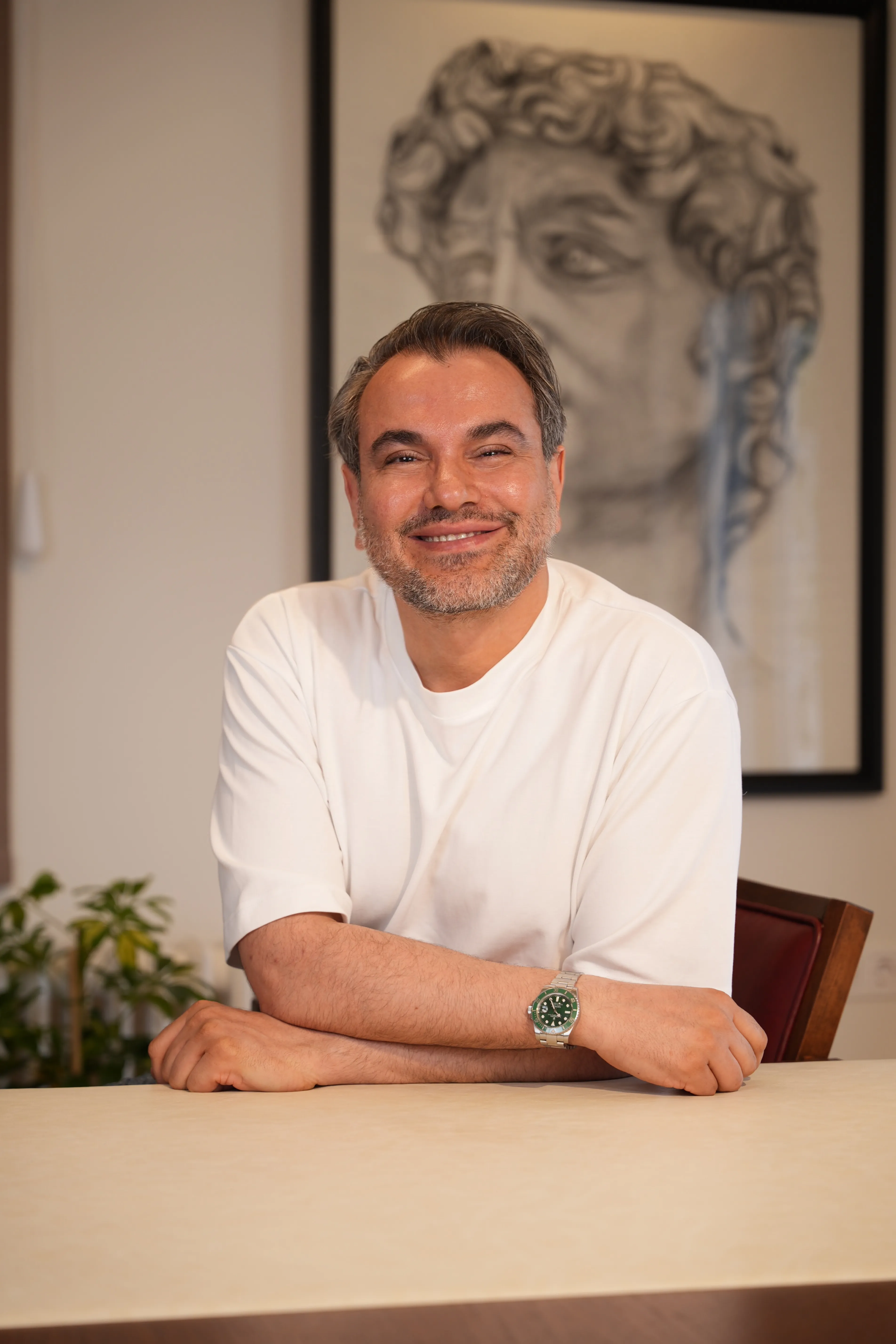
Dr. Abdurrahman Efem
Dr. Abdurrahman Efem is a medical aesthetic physician specializing in facial rejuvenation, non-surgical aesthetic treatments, and regenerative medicine. His approach focuses on enhancing natural beauty through personalized treatment plans designed around each patient's unique features and goals. Dr. Efem works with both local and international patients, emphasizing balanced, natural-looking results and long-term aesthetic wellbeing. This content has been prepared or medically reviewed by Dr. Abdurrahman Efem to ensure accuracy and relevance.