


What Is Baby Face Ultra? A Complete Guide to Laser-Supported Skin Renewal
Skin Quality Guide
What Is Baby Face Ultra? A Complete Guide to Laser-Supported Skin Renewal
Baby Face Ultra is one of the most requested treatments at our Istanbul clinic – a thulium laser-based skin renewal treatment planned for dullness, uneven tone, visible pores, fine lines, rough texture and pigmentation appearance. This guide covers exactly how it works, who it suits, and what a realistic result looks like.
Get a Skin Assessment on WhatsApp View the Baby Face Ultra Treatment PageSend clear, makeup-free front and side photos in good lighting on WhatsApp for a preliminary skin assessment before you travel or book.
Jump to a section:
Quick AnswerHow It WorksCandidacyTreatment ProcessRecoveryComparisonsInternational PatientsCostFAQ
Controlled, fractional approach
Genuine skin renewal, not just cleansing
Personalized to your skin, not a fixed package
Private villa clinic
Photo assessment before travel
Quick Answer
Baby Face Ultra is a laser-supported skin renewal treatment using fractional thulium laser technology to create controlled microchannels in the skin, followed by targeted active ingredients selected for your specific concern. It's positioned between a standard facial and more aggressive resurfacing lasers – more capable than a facial, generally more controlled in its recovery than deep laser resurfacing.
It can support dullness, uneven tone, visible pores, fine lines, rough texture and pigmentation appearance, but it doesn't erase pores completely or guarantee removal of all pigmentation – results depend on correct patient selection, personalized settings and disciplined aftercare, particularly consistent sun protection.
What Exactly Is Baby Face Ultra?
Baby Face Ultra is a skin quality treatment based on fractional thulium laser technology. During treatment, controlled microchannels are created across the skin surface, which supports the skin's natural renewal process and allows selected active ingredients to be delivered according to what your skin specifically needs.
The aim isn't to aggressively peel or over-treat the skin. It's to support skin quality, radiance, tone and texture through a controlled, fractional protocol – treating the skin in small zones rather than affecting the entire surface equally, which keeps the recovery process more predictable.
For this reason, Baby Face Ultra is a strong option for patients who want a refined, natural-looking improvement in skin quality. Correct patient selection, correct laser settings and correct aftercare are what determine whether that potential is realized.
Not Sure If Baby Face Ultra Is Right for Your Skin?
Send clear, makeup-free photos on WhatsApp. Our team can help point you toward the right assessment before you book anything.
Ask on WhatsAppHow Does Baby Face Ultra Work?
Baby Face Ultra works through three coordinated steps: controlled laser energy, microchannel creation, and skin-specific active ingredient support.
1. Controlled Laser Energy
Thulium laser energy is delivered to the skin in a controlled, fractional pattern – treating the skin in small zones rather than the entire surface at once. This keeps the recovery process more manageable while still triggering a genuine renewal response.
2. Microchannel Creation
The laser creates controlled microchannels on the skin surface. These support the skin's renewal response and improve how well selected topical ingredients can work once applied immediately after the laser step.
3. Active Ingredient Support
The ingredients applied after treatment are selected according to your main concern – some patients need glow and hydration support, others need tone, pigmentation appearance, texture or pore-focused planning. This step is personalized, not standardized.
What Concerns Can Baby Face Ultra Support?
Baby Face Ultra isn't limited to one single concern – it's mainly used for overall skin quality and surface-level appearance:
- Dull, tired-looking skin
- Uneven skin tone
- Sun-related pigmentation appearance
- Carefully planned support in patients with melasma tendency
- Visible pores
- Fine lines
- Rough or uneven skin texture
- Post-acne discoloration appearance
- General skin radiance and light reflection
If pigmentation is your main concern, the device alone isn't the full answer – pigmentation type, depth, sun exposure history, hormonal factors and skincare routine all need to be evaluated together. For more detail, see our pigmentation treatment guide.
Who Is a Good Candidate?
Good Candidates
- Want to improve overall skin quality
- Have visible pores or uneven texture
- Have uneven skin tone or mild sun-related discoloration
- Want a more controlled recovery than aggressive resurfacing
- Can commit to sun protection and aftercare
- Have realistic expectations about gradual improvement
Needs Careful Evaluation
- Active infection, cold sore outbreak, or open wound in the area
- Severe active acne flare-up
- Recent intense sun exposure or tanning
- Keloid or abnormal scarring tendency
- Recent isotretinoin or strong skin medication use
- Uncontrolled melasma or active pigmentation flare-up
- Pregnancy or breastfeeding (evaluated medically)
Being in the second group doesn't mean you can never have this treatment – it may simply mean a preparation period, a waiting window, or a different plan is needed first.
Why Pre-Treatment Evaluation Matters
The success of Baby Face Ultra doesn't depend only on the device – correct patient selection and planning matter just as much as the technology. Before treatment, the following are typically reviewed: skin type and tone, pigmentation type and tendency, history of acne, rosacea, eczema or sensitivity, previous laser or medical skincare treatments, current medications and active products, sun exposure and tanning status, and your expectations and available recovery time.
Planning without this evaluation isn't the right approach. In patients with pigmentation concerns specifically, an overly aggressive setting can worsen irritation or trigger new pigmentation rather than improving it.
The Treatment Process
1. Skin Analysis and Consultation
Skin type, main concern, pigmentation tendency and treatment history are reviewed, and expectations are clarified. A preparation plan may be recommended before treatment if needed.
2. Skin Cleansing
The skin is cleaned of makeup, oil and surface impurities to prepare it properly for treatment.
3. Laser Application
Thulium laser is applied with controlled passes, with settings adjusted for your skin type, sensitivity, pigmentation risk and treatment goal.
4. Active Ingredient Application
Selected active ingredients are applied according to your skin's needs, supporting the renewal process and your specific improvement goal.
5. Calming Care and Aftercare Instructions
Calming skincare is applied and clear aftercare instructions are given – sun protection, moisturizing, and temporary avoidance of active ingredients are all explained before you leave.
Recovery Timeline
Recovery varies from person to person – the timeline below is for general guidance.
| Time | What You May Notice | What Matters |
|---|---|---|
| First hours | Redness, warmth, mild stinging | Calm the skin, avoid sun, follow instructions |
| Day 1 | Redness may ease; dryness or tightness may begin | Gentle cleansing and moisturizer only; avoid actives |
| Days 2–3 | Rough, sandpaper-like skin feeling | Do not scrub, peel or pick the skin |
| Days 4–7 | Skin starts feeling softer, fresher | Continue SPF; resume actives only when approved |
| 2–4 weeks | Gradual improvement in tone, texture, radiance | Follow-up session planned if needed |
How Many Sessions Are Needed?
Some patients notice a fresher, brighter appearance after a single session. However, concerns like pigmentation appearance, visible pores, post-acne marks, rough texture or long-term skin quality usually respond better to a planned course of sessions.
The number of sessions depends on your skin type, pigmentation depth and type, severity of pore and texture concerns, post-acne discoloration or scar appearance, aftercare discipline, sun exposure, and the level of improvement you want.
In simple terms: one session may support radiance and freshness, while more visible concerns usually call for a treatment plan spread across multiple sessions.
Preparing for Treatment and Aftercare
Before Treatment
- Avoid intense sun exposure and recent tanning
- Retinoids, acids and strong actives may need to pause – follow your doctor's guidance
- Treatment may be postponed for active infection or open wounds
- Share current medications and recent treatments during consultation
After Treatment
- Gentle cleanser and regular moisturizer
- Daily sunscreen as advised
- No scrubbing, exfoliating or picking at flaking skin
- Avoid saunas, steam rooms and excessive heat for the period advised
Possible Risks and Side Effects
Baby Face Ultra is generally well tolerated when patient selection and treatment settings are appropriate, but it isn't risk-free. Temporary redness, warmth, stinging or sensitivity, dryness and tightness, a rough skin feeling, mild swelling, flaking or tiny crusting can all occur. Temporary darkening of pigmentation and irritation are possible, and pigmentation risk can increase after unsuitable sun exposure or incorrect aftercare. Rarely, infection or prolonged sensitivity can occur.
Proper evaluation before treatment, correctly personalized settings, and disciplined aftercare are what genuinely reduce these risks.
Realistic Expectations by Concern
Pigmentation
Not all pigmentation is the same – sunspots, melasma, post-acne marks and age-related spots behave differently. Baby Face Ultra can support improvement in suitable patients, but it isn't correct to say it removes all spots, and in melasma-prone patients, sun, hormones and heat can trigger pigmentation again.
Visible Pores
Pores can't be erased completely – that's an unrealistic expectation. But as skin texture, oil balance and surface quality improve, pores can look meaningfully less visible.
Acne Marks
Post-acne discoloration and depressed acne scars are different problems. Baby Face Ultra can be supportive for discoloration and mild texture, but deeper scars may need microneedling, subcision, filler or PRP – see our acne scar treatment guide.
Baby Face Ultra vs Other Skin Treatments
| Treatment | Mechanism | Best For | Recovery |
|---|---|---|---|
| Standard facial | Manual care, skincare devices | Cleansing, hydration, short-term freshness | Usually none |
| Baby Face Ultra | Thulium laser + active ingredients | Dullness, uneven tone, pores, texture | Redness, dryness or roughness, few days |
| Chemical peel | Acid-based exfoliation | Surface renewal in suitable, non-sensitive skin | Varies with depth |
| Microneedling | Mechanical micro-injury | Certain acne scar types, texture | Redness, few days |
| Fractional CO2 laser | Ablative, more aggressive laser | Deeper scars, more pronounced wrinkles | More visible peeling, longer |
| Mesotherapy | Injected active ingredients | Hydration, freshness, ingredient delivery | Minimal |
| Hydrafacial-type systems | Cleansing, extraction, hydration | Quick glow before an event | None |
Baby Face Ultra vs Chemical Peel: Peels can be very effective in suitable patients, but in sensitive or pigmentation-prone skin, irritation risk can rise with poorly matched acids. Baby Face Ultra still requires careful planning and sun protection – the right choice depends on what your skin specifically needs, and some patients benefit from both at different points in a broader plan.
Baby Face Ultra vs Microneedling: Both can support skin quality and texture through different mechanisms. Microneedling is often preferred for certain acne scar types; Baby Face Ultra tends to be stronger when the goal is glow, tone, surface quality and active ingredient support. In darker skin types or melasma-prone patients, the better option should be selected after medical evaluation.
Which Active Ingredients May Be Used?
Active ingredients applied after Baby Face Ultra are selected according to your skin's needs – not every ingredient suits every patient. Options can include vitamin C-focused ingredients for brightness support, tranexamic acid-based options for uneven tone and pigmentation appearance, resveratrol and antioxidant-focused support, and other active combinations for renewal and skin quality.
Ingredient selection should be based on what your skin needs, not what's currently trending. Sensitive, rosacea-prone or barrier-damaged skin requires a more careful approach.
When Are Results Seen, and Are They Permanent?
Some patients notice a fresher, brighter appearance within a few days. Deeper goals like texture, tone and pigmentation appearance improve more gradually: redness and roughness in the first days, softer and fresher skin within the first week, and more noticeable tone and texture improvement within 2–4 weeks. Pigmentation, pores and post-acne marks usually need a planned course of sessions.
“Permanent” can be misleading in skin treatments – skin continues responding to ageing, sun exposure, stress, hormones, sleep and skincare habits. Improvements can be maintained, but dullness and uneven tone can reappear if aftercare and sun protection are neglected; some patients benefit from maintenance sessions.
Can Baby Face Ultra Be Done in Summer?
Not automatically, for everyone, under all conditions. In summer or periods of high sun exposure, treatment planning needs to be more cautious – particularly for recently tanned patients, those who can't avoid sun exposure, melasma-prone patients, darker skin types prone to pigmentation, and anyone inconsistent with sunscreen use.
If treatment is planned during sunnier months, sun protection, treatment intensity and follow-up all become more important; see our sun protection after treatment guide for detail.
Common Misunderstandings
No – it's a laser-supported medical aesthetic treatment, not a standard facial.
No – pigmentation type, sun exposure, hormones and aftercare all affect the outcome.
Not true – redness, dryness or flaking can occur, so timing around events matters.
No – skin type, sensitivity and goals vary, so parameters are personalized.
Can Baby Face Ultra Be Combined With Other Treatments?
Yes, in some patients Baby Face Ultra can be part of a broader skin quality protocol – but timing matters, and not every treatment should happen on the same day or in the same period. Depending on medical evaluation, it may be planned at different times alongside skin mesotherapy, exosome treatment, PRP treatment, Lumecca skin rejuvenation, or salmon DNA treatment.
The guiding principle in combination planning is avoiding over-treating the skin, protecting the skin barrier, and reducing pigmentation risk – not stacking as many treatments as possible into one visit.
Baby Face Ultra for International Patients
Baby Face Ultra is one of the most requested treatments among our international patients, and Istanbul has become a common destination for exactly this kind of skin-quality treatment. Efem Clinic is in Levent, easily accessible from Etiler, Beşiktaş and central Istanbul, and our team can guide you on appointment timing, expected stay duration and how to plan sightseeing around your recovery.
Turkey and Istanbul pricing can be more accessible than many clinics in the UK, Europe or the Gulf for a comparable treatment, though your final cost depends on consultation and the number of sessions planned – price shouldn't be the only factor in your decision.
Before you travel, send front, side and angled photos in natural light on WhatsApp so we can give you preliminary guidance. Discretion and privacy are standard throughout your visit.
Planning a Trip to Istanbul for Baby Face Ultra?
Send your photos on WhatsApp so we can advise on timing and give you a realistic sense of what your treatment plan might involve before you book flights.
Ask on WhatsAppWhat Affects the Cost of Baby Face Ultra?
Cost depends on the area treated, how many sessions your skin needs, the active ingredients selected for your protocol, and whether Baby Face Ultra is combined with other treatments as part of a broader skin quality plan. A single-session price isn't a meaningful comparison point if your skin genuinely needs a course of sessions to reach your goal.
As noted above, Istanbul pricing can be more accessible than many countries for comparable treatment quality, but the right number of sessions for your skin should be decided in consultation, not based on price alone.
Baby Face Ultra at Efem Clinic
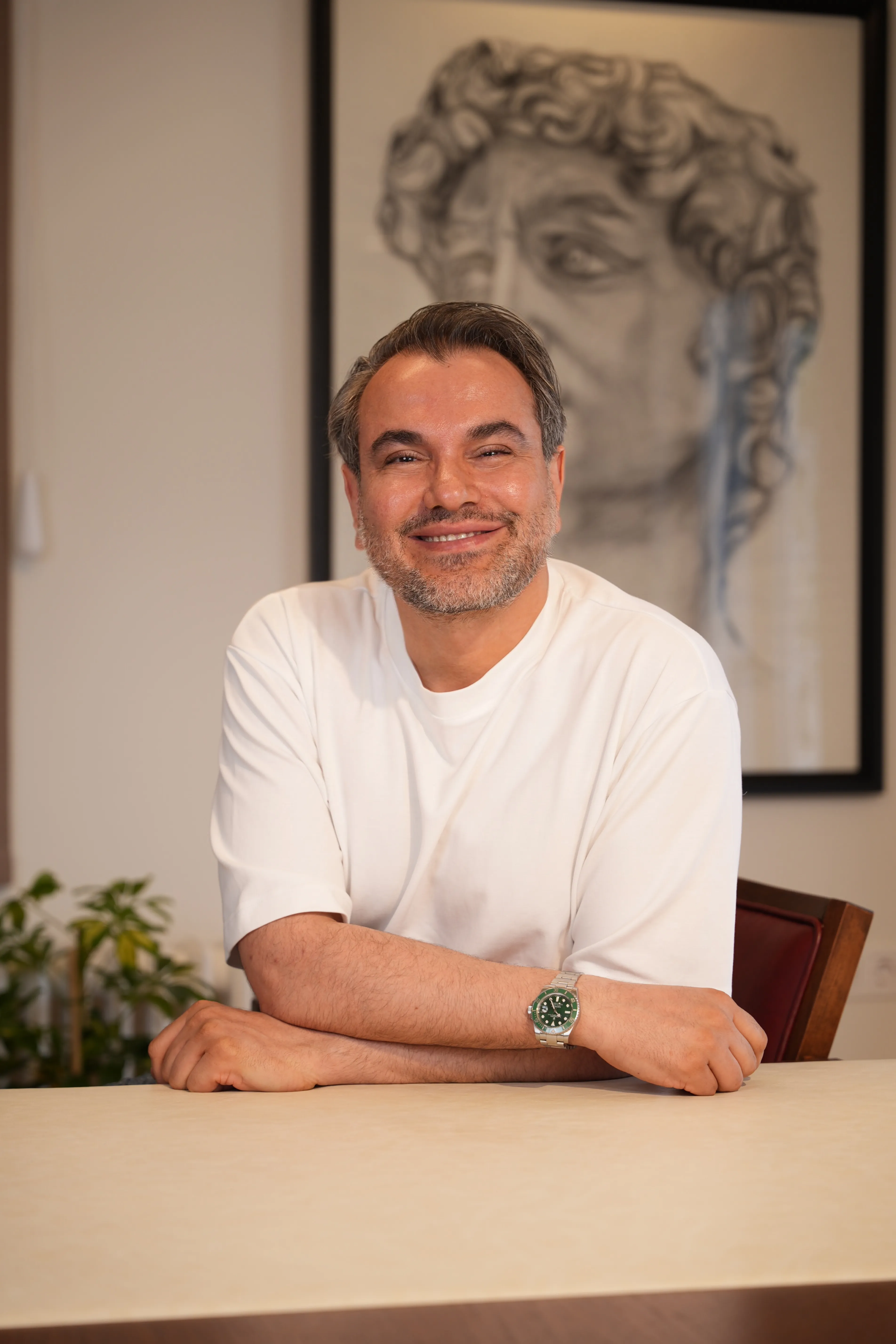
At Efem Clinic, Baby Face Ultra isn't treated as a standard package procedure – it's planned according to skin evaluation, concern type and treatment history. During planning, Dr. Abdurrahman Efem considers whether your main need is radiance, pigmentation appearance, pores or texture, whether your skin barrier is ready for treatment, whether pigmentation risk is present, whether one session will be enough or a course makes more sense, and whether combining it with another treatment is appropriate.
Dr. Efem is a medical aesthetic physician and ministry-appointed medical aesthetics trainer, trained in Paris and the UK, following the Efem Method of anatomy-based, natural-looking planning. The goal is never an exaggerated or artificial change – it's healthier-looking, more balanced, more refined skin quality.
Meet Dr. Efem Ask on WhatsAppRelated Guides
Frequently Asked Questions
Is Baby Face Ultra painful?
Most patients feel warmth, stinging or tingling during treatment rather than significant pain. Comfort level depends on skin sensitivity, treatment intensity and individual tolerance, and settings can be adjusted accordingly.
How long does the treatment take?
Treatment time depends on the area treated and your specific plan. Most sessions, including consultation and aftercare, are completed within a single appointment planned individually.
Can I return to work or travel sightseeing right after?
Many patients return to normal activity quickly, but redness, dryness or roughness can be visible for a few days. If you have an event, important meeting, or limited days in Istanbul, timing should be planned with your doctor in advance.
Is Baby Face Ultra enough for pigmentation on its own?
It can support certain types of pigmentation appearance, but it isn't always enough as a standalone treatment. Pigmentation treatment needs a personalized diagnosis, and Q-Switch or Lumecca may be more directly effective depending on the type of pigmentation involved.
Does it erase pores completely?
No, and no treatment can erase pores completely. What genuinely changes is how visible they appear, as skin texture and surface quality improve with treatment.
How many sessions will I actually need?
One session can support radiance and freshness. Pigmentation, texture, pores or post-acne marks usually need a planned course, most often assessed after your first session shows how your skin responds.
Can Baby Face Ultra be done in summer?
It can be planned carefully in some patients, but sun exposure and tanning are genuine risk factors. Timing should be decided by your doctor, especially if you're melasma-prone or can't avoid strong sun during your stay.
When can I wear makeup again?
This depends on your skin's reaction. In many cases, patients are advised to keep the skin clean and avoid potentially irritating products for a short period after treatment before resuming normal makeup use.
Are the results permanent?
Skin continues changing with ageing, sun exposure, hormones and lifestyle, so no skin treatment produces a truly permanent result. Improvements can be maintained with correct skincare, sun protection and occasional maintenance sessions.
Is Baby Face Ultra safe for everyone?
No, it isn't automatically suitable for everyone. Active infection, open wounds, recent tanning, uncontrolled pigmentation, certain medications or specific skin conditions may require postponement or a different treatment plan.
Can I book Baby Face Ultra as an international patient without an in-person consultation first?
Yes – send clear, makeup-free photos on WhatsApp before booking. This lets us give you preliminary guidance on suitability and timing, with a full in-person assessment confirming the final plan when you arrive.
Is Baby Face Ultra suitable for darker skin tones?
It can be, but darker skin types carry a higher pigmentation risk with any laser-based treatment, so settings need to be more conservative and carefully personalized. This is assessed individually during consultation using the Fitzpatrick skin type scale.
What's the difference between Baby Face Ultra and a regular facial I'd get at a spa?
A spa facial is manual care focused on cleansing and short-term hydration with essentially no recovery. Baby Face Ultra is a laser-based medical aesthetic treatment that creates a genuine renewal response in the skin, which is why it can address concerns a facial can't, but also involves some visible recovery.
Why is Baby Face Ultra one of your most requested treatments?
It occupies a useful middle ground for patients who want a genuine improvement in skin quality without committing to the downtime of more aggressive resurfacing. It's also easy to personalize with different active ingredients, which lets it address several concerns – dullness, tone, pores, texture – in one coordinated protocol.
Doctor’s Note
Baby Face Ultra is popular for a good reason, but its popularity is exactly why I want patients to understand what it can and can't do before they book. It's not a facial, and it's not a guarantee against pigmentation or pores. What it genuinely offers is a controlled, personalized way to support skin quality – and the difference between a good result and a mediocre one almost always comes down to correct patient selection and disciplined aftercare, not the device itself.
Create Your Personal Baby Face Ultra Skin Plan
Send your photos on WhatsApp or book a consultation at Efem Clinic to find out whether Baby Face Ultra is right for your skin.
Get Information and Book on WhatsApp Contact Efem ClinicDoctor-led treatment planning · Private villa clinic in Levent · International patient support
About Dr. Abdurrahman Efem
Dr. Abdurrahman Efem
Dr. Abdurrahman Efem is a medical aesthetic physician specializing in facial rejuvenation, non-surgical aesthetic treatments, and regenerative medicine. His approach focuses on enhancing natural beauty through personalized treatment plans designed around each patient's unique features and goals. Dr. Efem works with both local and international patients, emphasizing balanced, natural-looking results and long-term aesthetic wellbeing. This content has been prepared or medically reviewed by Dr. Abdurrahman Efem to ensure accuracy and relevance.