
Ultherapy vs Thermage: Two Non-Surgical Lifting Technologies Compared
Treatment Comparison
Ultherapy vs Thermage: Two Non-Surgical Lifting Technologies Compared
Ultherapy and Thermage are both well-established non-surgical treatments for skin laxity, but they work through genuinely different mechanisms – focused ultrasound versus monopolar radiofrequency. This guide explains how each technology works, where each tends to perform best, and how a doctor decides between them.
Send Your Photos on WhatsApp View the Ultherapy GuideNot sure which technology fits your skin? Send clear front, side and angled photos on WhatsApp for preliminary guidance.
Focused ultrasound vs monopolar RF
No incisions or downtime
Personally done by Dr. Efem
Private villa clinic
Photo assessment available
Quick Answer
Ultherapy uses HIFU (high-intensity focused ultrasound) to deliver energy to precise depths, including the SMAS layer targeted in surgical facelifts, making it particularly suited to lifting the brow, jawline and neck. Thermage uses monopolar radiofrequency to heat a broader volume of tissue more diffusely, and is often chosen for overall skin tightening and texture improvement across larger areas.
Neither treatment replaces surgery, and results depend heavily on the degree of laxity present, skin quality, and realistic expectations set during consultation. The right choice between them – or whether a combination or a different treatment altogether is more appropriate – depends on an individual assessment.
Ultherapy vs Thermage at a Glance
| Factor | Ultherapy | Thermage |
|---|---|---|
| Technology | HIFU (focused ultrasound) | Monopolar radiofrequency |
| Energy delivery | Precise focal points at set depths | Broader, more diffuse heating |
| Depth reached | Can reach the SMAS layer | Primarily dermis and upper subcutaneous layer |
| Best suited for | Lifting brow, jawline, neck laxity | Broad-area tightening, texture and tone |
| Session length | 45–90 minutes | 45–90 minutes |
| Discomfort | Brief, focal warmth or tingling at treatment points | Generalised warmth across the treated area |
| Downtime | Minimal; some redness for hours | Minimal; some redness for hours |
| Result timeline | Gradual over 2–6 months | Gradual over 2–6 months |
These are general patterns, not universal rules – the right technology for you depends on where your laxity is concentrated and how deep it sits, which is why an in-person or photo-based assessment matters more than the table above.
Not Sure Which Technology Fits Your Concern?
Send clear photos on WhatsApp. Our team can help point you toward the right assessment before you book anything.
Ask on WhatsAppWhy the Mechanism Difference Actually Matters
Ultherapy's ultrasound energy can be focused at specific, measurable depths – including the SMAS, the same connective tissue layer surgeons manipulate during a facelift. This is what allows Ultherapy to produce a genuine lifting effect on areas like the brow and jawline, rather than tightening alone.
Thermage's monopolar RF heats tissue more broadly across the treated area rather than at precise focal points. This makes it particularly effective for improving overall skin quality, texture and firmness across a larger surface, but it doesn't reach the SMAS layer the way Ultherapy does, so its lifting effect tends to be more subtle.
When Combination or a Different Treatment Makes Sense
Some patients benefit from combining approaches – for example, using Ultherapy for structural lift in specific zones alongside a broader-area treatment for overall skin quality. For patients whose primary concern is comfortable, low-downtime firmness across larger areas of the face or body rather than structural lifting, XERF is also worth discussing as a complementary option.
Neither Ultherapy nor Thermage is a substitute for surgery in patients with significant skin excess or advanced laxity; in these cases, a doctor may discuss a surgical referral alongside or instead of energy-based options.
Frequently Asked Questions
Is Ultherapy better than Thermage?
Neither is universally better; they work through different mechanisms and tend to suit different concerns. Ultherapy is generally preferred for structural lifting, while Thermage is often chosen for broader skin quality and firmness.
Can Ultherapy and Thermage be combined?
In selected patients, combining a structural lift technology with a broader skin-quality treatment can address more than one concern, though this is planned individually rather than applied by default.
Which one has less discomfort?
Ultherapy's focal energy points can create brief, sharper sensations during treatment, while Thermage's more diffuse heating tends to feel like a steady, generalised warmth. Most patients tolerate both well.
Does either treatment replace a facelift?
No. Both are non-surgical options intended for patients with mild to moderate laxity; significant skin excess or advanced sagging generally requires a surgical discussion.
How many sessions does each treatment need?
Both are often planned as a single session with results developing gradually over the following months, though some patients benefit from a follow-up session depending on their goals and how their skin responds.
Choosing Based on Anatomy, Not Preference
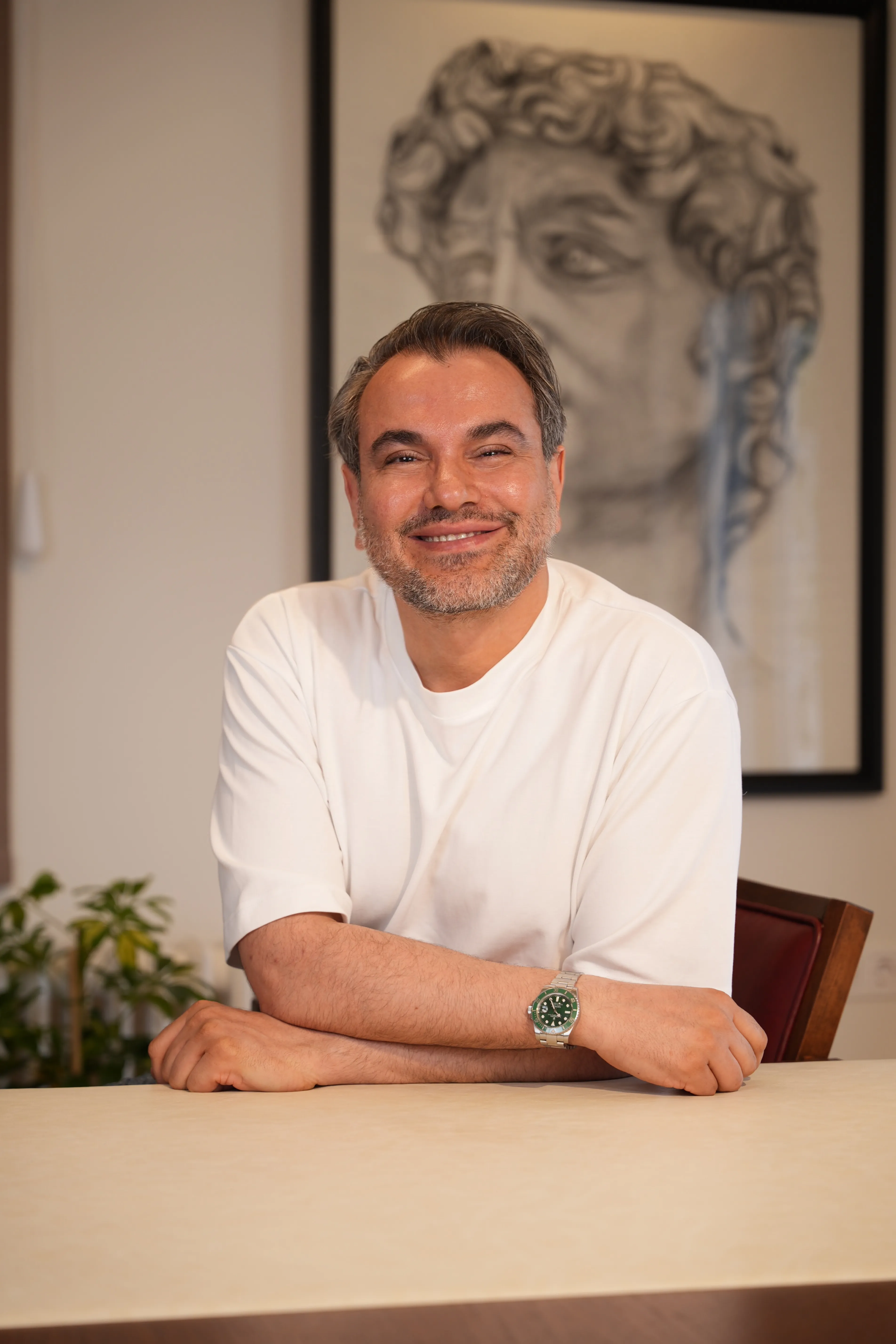
Dr. Abdurrahman Efem is a medical aesthetic physician and physician trainer in Ultherapy. Rather than defaulting to one technology, every consultation involves assessing where laxity is concentrated and how deep it sits, following the Efem Method to match the mechanism to the actual concern.
Meet Dr. Efem Ask on WhatsAppRelated Guides
Find Out Which Technology Suits Your Skin
Send your photos on WhatsApp. Our team will help guide you toward the assessment that matches the right mechanism to your specific concern.
Send Your Photos on WhatsApp Contact Efem ClinicDoctor-led treatment planning · Private villa clinic in Levent · International patient support
About Dr. Abdurrahman Efem
Dr. Abdurrahman Efem
Dr. Abdurrahman Efem is a medical aesthetic physician specializing in facial rejuvenation, non-surgical aesthetic treatments, and regenerative medicine. His approach focuses on enhancing natural beauty through personalized treatment plans designed around each patient's unique features and goals. Dr. Efem works with both local and international patients, emphasizing balanced, natural-looking results and long-term aesthetic wellbeing. This content has been prepared or medically reviewed by Dr. Abdurrahman Efem to ensure accuracy and relevance.