

Cheek Filler and Preventing Eye Narrowing
Filler Safety
Cheek Filler and Preventing Eye Narrowing
Sometimes called the "fish-eye" effect, an over-projected or misplaced cheek filler can pull on the lower eyelid and make the eyes appear narrower or slightly squinted. This isn't a necessary trade-off of cheek filler – it's a specific, largely preventable outcome tied to placement and volume.
Send Your Photos on WhatsApp Book a ConsultationSend front and side photos of your midface on WhatsApp for an initial doctor assessment.
Quick Answer
Eye narrowing after cheek filler happens when volume is placed too high, too anteriorly, or in excess near the lower eyelid and lateral cheek, effectively lifting or compressing the tissue around the eye. This is a placement and volume issue, not an unavoidable side effect of cheek filler.
With careful assessment of the midface structure and conservative, well-placed volume, this outcome is largely preventable. If it has already happened from a previous treatment, it's also often correctable – typically by dissolving the filler responsible.
Why This Happens
The area beneath the lower eyelid and along the upper cheek is anatomically delicate, with limited space and close proximity to the muscles controlling eyelid movement. When filler is placed too close to this zone, or in a volume that exceeds what the area can accommodate naturally, it can create outward pressure that subtly changes the shape and position of the lower eyelid.
This is more likely with filler placed too superficially, too far forward on the cheek toward the eye, or when volume is added without fully accounting for the individual's existing midface structure and skin laxity.
Noticed This Effect From a Previous Treatment?
Send a few clear photos and your main concern on WhatsApp. Our team can help point you toward the right consultation before you book anything.
Ask on WhatsAppWhat Reduces the Risk
- Placement further back on the cheek: Positioning volume over the cheekbone itself rather than close to the lower eyelid
- Conservative, structure-appropriate volume: Working within what the individual's anatomy can support without pulling on surrounding tissue
- Correct injection depth: Placing product at the appropriate structural level rather than too superficially
- Assessing the under-eye area separately: Recognizing that cheek and under-eye concerns often require distinct, carefully coordinated planning
If This Effect Has Already Occurred
If your eyes appear narrower or slightly squinted following previous cheek filler, this is generally addressable through a doctor assessment. In most cases, dissolving some or all of the responsible filler resolves the effect, after which a more conservative approach can be planned if you still want cheek volume.
Because this involves an area close to the eye, we'd always recommend this kind of correction be assessed and performed by an experienced doctor rather than approached casually.
Cheek and Under-Eye Are Related but Distinct
Patients sometimes come in wanting both cheek volume and under-eye hollow correction, and while these areas are adjacent, they require separate consideration. Treating them together without careful planning is part of what increases the risk of the eye-narrowing effect.
For general cheek filler information, see our cheek filler guide, and for under-eye concerns specifically, our under-eye light filler page covers that area's distinct considerations.
Structure First, Volume Second
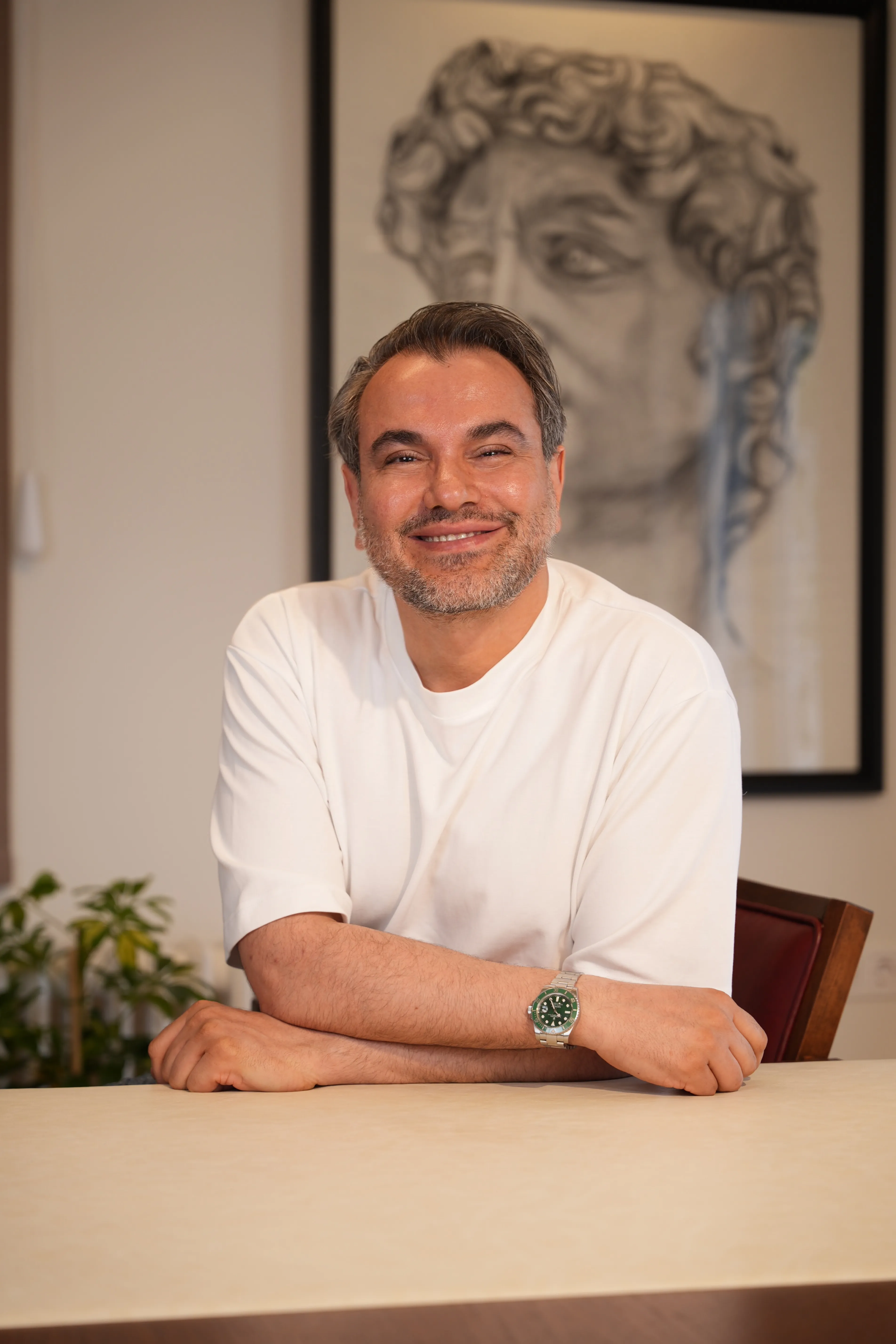
Dr. Abdurrahman Efem is a medical aesthetic physician and ministry-appointed medical aesthetics trainer with extensive experience in cheek filler technique. Every consultation follows the Efem Method – assessing the midface structure carefully before placing any volume, specifically to avoid outcomes like eye narrowing.
Meet Dr. Efem Ask on WhatsAppRelated Guides
Frequently Asked Questions
Is eye narrowing a normal side effect of cheek filler?
No, it's not a necessary side effect. It results from specific placement and volume choices, and can largely be avoided with careful technique.
How is the fish-eye effect corrected?
In most cases, dissolving the responsible filler resolves the effect. This should be assessed and performed by an experienced doctor given the area's proximity to the eye.
Can I still get cheek volume after this happened previously?
Often yes, after the previous filler is dissolved and with a more conservative approach on a subsequent treatment, though this depends on individual assessment.
Does this only happen with high volumes?
Placement matters as much as volume; even moderate amounts placed too close to the lower eyelid can contribute to this effect.
Should cheek and under-eye be treated in the same session?
This depends on individual anatomy and goals; a doctor assessment will clarify whether combined or separate treatment is more appropriate for you.
How soon after treatment would I notice this effect?
Some initial swelling is normal in the first few days, but a persistent narrowing effect after swelling resolves is worth discussing with your doctor.
Doctor’s Note
I see this concern most often in patients who've had cheek filler placed too close to the lower eyelid elsewhere. The fix is usually more straightforward than patients expect – dissolving the responsible product – but prevention through careful placement from the start is always preferable to correction.
Considering Cheek Filler in Istanbul?
Send your photos and main concern on WhatsApp. Our team will guide you toward a doctor assessment that carefully considers your midface structure.
Send Your Photos on WhatsApp Contact Efem ClinicDoctor-led planning · Private villa clinic in Levent · International patient support
About Dr. Abdurrahman Efem
Dr. Abdurrahman Efem
Dr. Abdurrahman Efem is a medical aesthetic physician specializing in facial rejuvenation, non-surgical aesthetic treatments, and regenerative medicine. His approach focuses on enhancing natural beauty through personalized treatment plans designed around each patient's unique features and goals. Dr. Efem works with both local and international patients, emphasizing balanced, natural-looking results and long-term aesthetic wellbeing. This content has been prepared or medically reviewed by Dr. Abdurrahman Efem to ensure accuracy and relevance.