


Lip Filler and Perioral Migration: Why Technique Matters
Filler Technique
Lip Filler and Perioral Migration: Why Technique Matters
One of the concerns patients raise about lip filler is product migrating beyond the lip border, sometimes described as filler spreading toward the area above the upper lip. This is a real risk, but it's largely a matter of technique, product choice, and anatomy – not an inevitable outcome of lip filler itself.
Send Your Photos on WhatsApp Book a ConsultationSend front and side photos of your lips on WhatsApp for an initial doctor assessment.
Quick Answer
Perioral migration – filler moving beyond the lip border into the surrounding skin – is largely preventable through correct injection technique, appropriate product selection, and conservative volumes. It tends to happen more often with overfilling, incorrect injection depth, or repeated treatments layered without reassessment.
It cannot be entirely ruled out for any patient, since individual anatomy and skin quality play a role, but a doctor-led, technique-focused approach significantly reduces the likelihood. If migration has already occurred from previous treatment elsewhere, this is also something that can often be discussed and addressed.
What Causes Migration in the First Place
The lip border sits close to the muscle that surrounds the mouth, and constant movement from talking, eating and expression means product placed too superficially or in excessive volume has more opportunity to shift over time. This is particularly relevant in the area just above the upper lip, sometimes referred to as the perioral or "mustache" area.
Migration is more commonly associated with high volumes injected in a single session, product placed too close to the skin surface rather than within the appropriate tissue plane, and treatments repeated too frequently without allowing full integration of previous filler.
Concerned About Migration From a Previous Treatment?
Send a few clear photos and your main concern on WhatsApp. Our team can help point you toward the right consultation before you book anything.
Ask on WhatsAppWhat Reduces the Risk
- Conservative volumes: Building gradually over sessions rather than placing large amounts at once
- Correct injection depth: Placing product within the appropriate tissue plane rather than too superficially
- Respecting the natural lip border: Working with the vermillion border rather than overriding it
- Spacing treatments appropriately: Allowing adequate time between sessions for integration and reassessment
If Migration Has Already Occurred
If you've noticed filler that appears to have shifted beyond the lip border from a previous treatment, this is something worth discussing directly during a consultation. Depending on the specific product and situation, there are often ways to address this, which may include dissolving the affected area before considering any further treatment.
We'd always recommend a doctor assessment before deciding on next steps, since the right approach depends on exactly what product was used and how it has settled.
A Note on Choosing Where to Have Lip Filler Done
Because migration risk is closely tied to technique, the experience and approach of whoever performs your treatment matters. A doctor-led assessment that considers your specific lip anatomy, skin quality, and treatment history is a meaningful part of reducing this risk from the outset.
For general information on lip filler and shaping goals, see our lip filler guide, or visit the lip filler treatment page.
A Conservative Approach, By Design
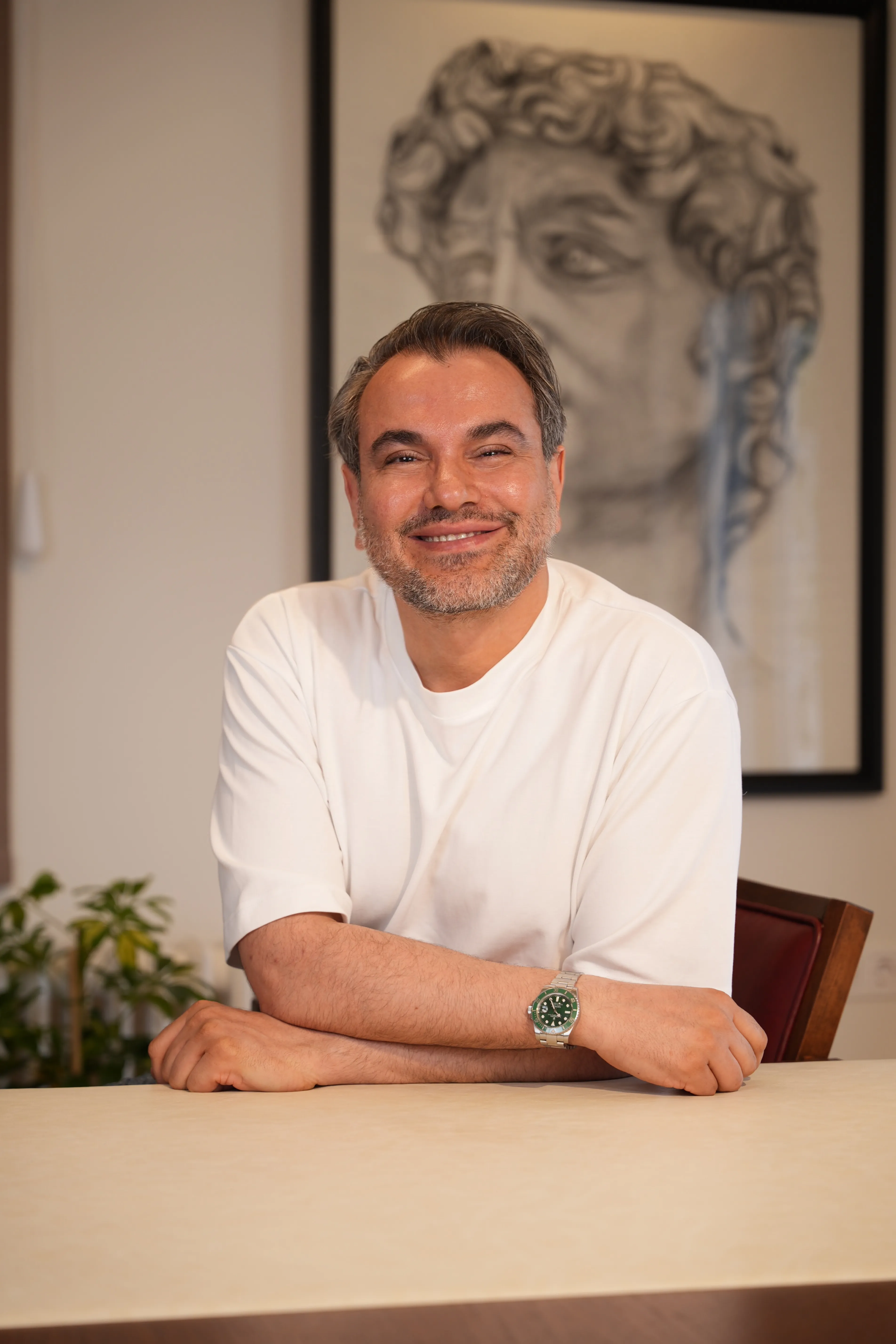
Dr. Abdurrahman Efem is a medical aesthetic physician and ministry-appointed medical aesthetics trainer with extensive experience in lip filler technique. Every consultation follows the Efem Method – a conservative, anatomy-based approach designed to minimize risks like migration while achieving natural-looking results.
Meet Dr. Efem Ask on WhatsAppRelated Guides
Frequently Asked Questions
Does every patient experience some migration eventually?
No, migration is not inevitable. With conservative volumes and correct technique, many patients never experience noticeable migration, though individual anatomy plays a role.
Is migration the same as normal filler settling?
No. Some initial swelling and settling in the days after treatment is normal and different from filler shifting beyond the lip border over weeks or months.
Can migrated filler be corrected?
Often yes, depending on the product and situation; this typically involves an assessment and may include dissolving the affected area before further treatment.
Does a higher volume always mean higher migration risk?
Higher volumes injected without appropriate spacing or technique do tend to carry more risk, which is part of why a conservative, gradual approach is generally preferred.
How long after treatment might migration become noticeable?
This varies, but it's typically something that develops gradually over weeks to months rather than appearing immediately after treatment.
Should I mention previous filler history before a new treatment?
Yes, sharing your full filler history helps your doctor assess your lips accurately and plan a treatment that accounts for any existing product.
Doctor’s Note
Perioral migration is one of those concerns I take seriously, because it's genuinely something technique can influence. I'd rather build volume gradually across a couple of sessions with reassessment in between than place everything at once and risk exactly this kind of outcome down the line.
Considering Lip Filler in Istanbul?
Send your photos and main concern on WhatsApp. Our team will guide you toward a doctor assessment focused on natural, conservative results.
Send Your Photos on WhatsApp Contact Efem ClinicDoctor-led planning · Private villa clinic in Levent · International patient support
About Dr. Abdurrahman Efem
Dr. Abdurrahman Efem
Dr. Abdurrahman Efem is a medical aesthetic physician specializing in facial rejuvenation, non-surgical aesthetic treatments, and regenerative medicine. His approach focuses on enhancing natural beauty through personalized treatment plans designed around each patient's unique features and goals. Dr. Efem works with both local and international patients, emphasizing balanced, natural-looking results and long-term aesthetic wellbeing. This content has been prepared or medically reviewed by Dr. Abdurrahman Efem to ensure accuracy and relevance.