


Dietitian in Istanbul: Weight Management, Nutrition and Lifestyle Guide
NUTRITION • WEIGHT MANAGEMENT • LIFESTYLE
Dietitian in Istanbul: Weight Management, Nutrition and Lifestyle Guide
Effective weight management is not simply about following a stricter diet. A useful nutrition plan should consider eating patterns, daily routines, individual goals and whether the changes being recommended can realistically become part of everyday life.
At Efem Clinic in Istanbul, the Nutrition & Lifestyle cluster is designed around a broader view of weight management: moving beyond short-term restriction toward informed, sustainable decisions about nutrition and lifestyle.
QUICK ANSWER
What Does a Dietitian-Led Weight Management Plan Involve?
A dietitian-led approach to weight management looks beyond a temporary meal plan. It considers current eating habits, daily routine, personal objectives and the practical barriers that may make a plan difficult to maintain.
For some people, the goal may involve weight reduction. For others, the more useful focus may be improving dietary structure, supporting weight maintenance or building more sustainable habits.
The number on the scale is only one part of the picture. A useful plan should also consider context, behaviour and realistic long-term adherence rather than promising rapid or guaranteed results.
Weight Management Is More Than Losing Weight
The phrase “weight management” is often interpreted as simply making the scale move down. In practice, that definition is too narrow. Weight can change over time, and the behaviours used to create short-term weight loss are not necessarily the behaviours a person can maintain over the long term.
A more sustainable approach asks different questions: How does the person currently eat? What happens during busy working days, weekends or travel? Which habits are realistic to change? Which changes are unnecessarily restrictive? And what would make the plan easier to continue rather than harder?
This shifts the objective away from chasing a short-lived result and toward developing a nutrition and lifestyle structure that fits the individual more realistically.
What May Be Considered in Nutrition and Lifestyle Planning?
Current Eating Pattern
Understanding the person's existing routine provides a more useful starting point than imposing an idealised plan without context.
Personal Goals
Weight reduction, weight maintenance and improving the structure of everyday nutrition are different objectives and should not automatically receive the same plan.
Daily Lifestyle
Work schedules, eating outside the home, travel and other practical factors can influence whether nutritional changes are realistic enough to maintain.
Long-Term Adherence
A theoretically perfect plan has limited value if it cannot be integrated into everyday life. Sustainability therefore matters when evaluating nutritional strategies.
Why the Scale Should Not Be the Only Measure of Progress
Body weight is useful information, but it should not automatically become the only measure used to judge progress. A single number does not describe eating behaviour, daily routine, body composition or whether a person has developed habits that are realistically maintainable.
This distinction also matters when nutrition and aesthetic body concerns overlap. Losing weight is not the same objective as treating localised fat, improving selected skin laxity or addressing true excess skin. These concerns involve different tissues and should not be treated as interchangeable.
For that reason, nutritional weight management and aesthetic body treatment may sometimes belong to the same broader conversation while still having clearly different roles.
Why Very Restrictive Diets Can Be Difficult to Sustain
Highly restrictive plans can appear attractive because they offer a simple set of rules and often focus attention on rapid change. The difficulty is that short-term compliance and long-term sustainability are not the same thing.
A plan that requires a person's normal life to stop may become increasingly difficult during work, social events, travel or changes in routine. When the plan cannot be maintained, repeatedly moving between strict restriction and abandoning the plan altogether can make weight management feel unnecessarily binary.
A more practical strategy aims to create changes that are meaningful enough to matter but realistic enough to continue.
Why Nutrition Plans Should Be Individualised
Two people can have the same broad goal and still need very different approaches. Their existing eating habits, schedules, preferences, previous experiences and practical challenges may not be alike.
Individualisation does not mean making a plan unnecessarily complicated. In many cases, it means identifying the changes that matter most and deciding how they can fit into the person's actual routine.
This is one of the main differences between receiving professional guidance and simply copying a generic diet from another person or from the internet.
What Nutrition and Lifestyle Support Cannot Promise
No responsible nutrition programme should promise a specific result for every person. Weight response and the ability to maintain behavioural changes vary between individuals.
Nutrition counselling should also not be presented as a substitute for appropriate medical assessment when a person's situation involves a medical condition, symptoms, medication-related questions or another issue requiring medical evaluation.
The purpose of professional nutrition support is therefore not to guarantee a particular number on the scale. It is to create a more informed and individualised framework for nutrition and weight-management decisions.
THE EFEM METHOD™
Connecting Weight Management With the Bigger Picture
The Efem Method™ is built around identifying the actual cause of a concern before deciding how it should be approached.
That principle is particularly relevant where weight management and body aesthetics meet. Overall body weight, body composition, localised fat, skin laxity, muscle or abdominal-wall factors and true excess skin are not interchangeable problems.
Nutrition may be central when the objective involves eating patterns and weight management. An aesthetic treatment may have a different role when a local tissue concern remains. The important point is to define the objective before choosing the intervention.
Weight Management and Body Treatments Are Not the Same Thing
Non-surgical body treatments should not be used as substitutes for weight management. Their role is different: depending on the treatment, they may be considered for selected localised concerns involving skin quality, laxity, contour or subcutaneous tissue.
Likewise, weight reduction does not necessarily resolve every aesthetic concern. Changes in body weight can coexist with loose skin, localised tissue concerns or changes in body proportions that need to be assessed separately.
Patients interested in this distinction can also explore Efem Clinic's Body Treatments section. The purpose is not to turn nutrition into an aesthetic treatment pathway, but to keep the roles of the different approaches clear.
What to Expect From an Individual Weight Management Journey
A useful starting point is understanding where the person is now rather than immediately imposing a rigid end-point. Existing eating patterns, lifestyle context, objectives and barriers can then inform the direction of the plan.
Progress may require adjustment over time. A recommendation that looks appropriate on paper may need to be adapted when it meets the realities of work, travel, social life or changing priorities.
This makes weight management an ongoing decision process rather than a pass-or-fail diet. The aim is to build a structure that can evolve while remaining consistent with the person's broader objectives.
How Is the Cost of Nutrition Support Determined?
An exact fee should not be inferred from a general online guide. The appropriate service depends on the type of support required and the individual plan established for the person.
For current information about consultation planning and fees, contact Efem Clinic directly rather than relying on unverified third-party pricing.
Nutrition and Lifestyle Support for International Patients in Istanbul
International patients who are already planning a visit to Efem Clinic may also wish to discuss broader weight-management, nutrition or lifestyle goals as part of their planning.
The appropriate format and scope of support should be established individually. If medical issues or disease-specific nutrition questions are involved, appropriate medical evaluation may also be required rather than treating the question as general lifestyle advice.
Ask the International TeamNUTRITION & LIFESTYLE
A New Nutrition and Lifestyle Cluster at Efem Clinic
Efem Clinic's Nutrition & Lifestyle content cluster includes Dietitian Erdem Toprak and is intended to provide a clearer educational framework around nutrition, sustainable weight management and lifestyle-related decision making.
This page does not attribute specific degrees, certifications, memberships or clinical claims to Erdem Toprak. Those details should only be published when supported by an approved professional biography.
The broader objective is to connect nutrition and weight-management education with the clinic's measured approach to body concerns without presenting aesthetic procedures as weight-loss solutions.
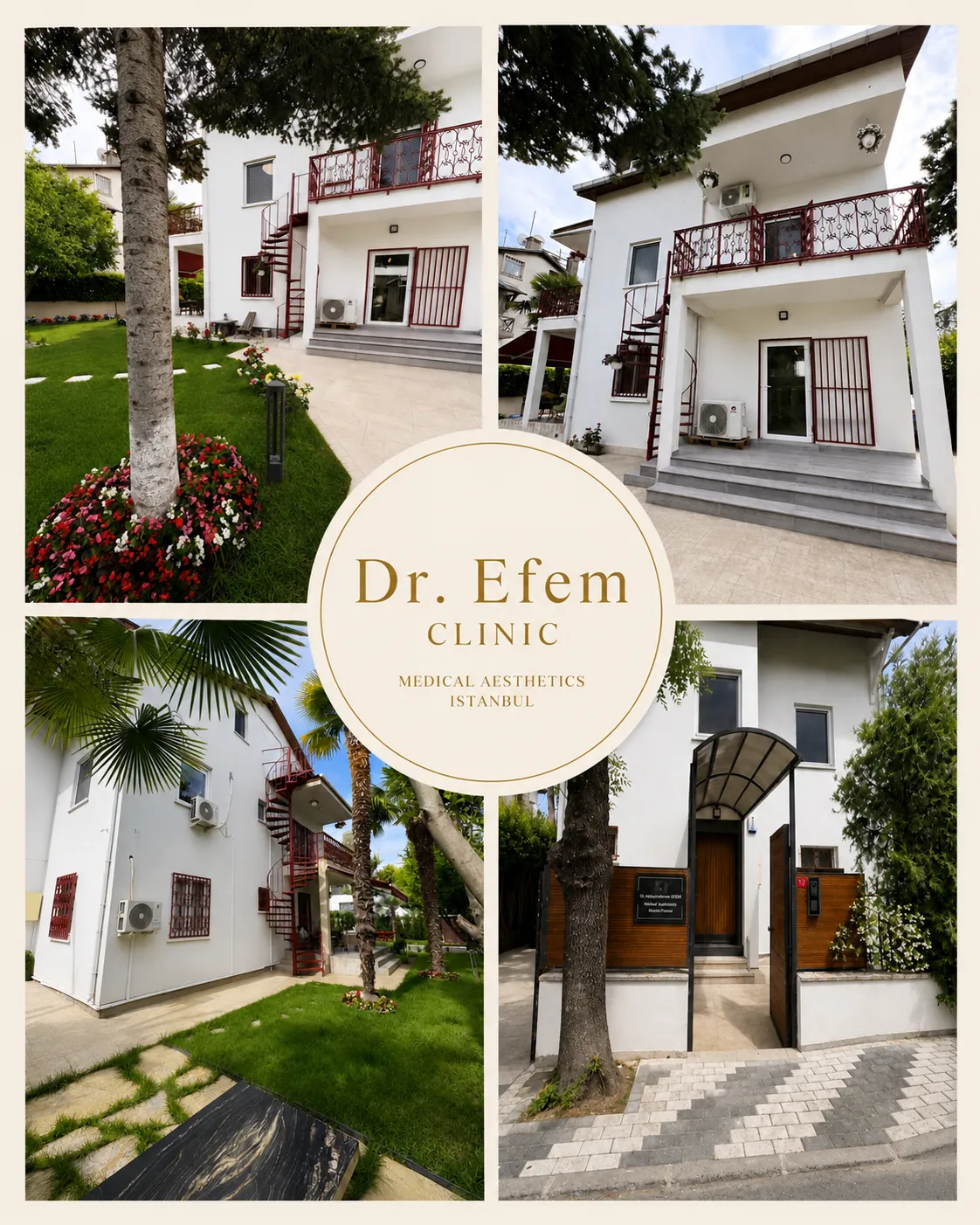
Nutrition and Lifestyle Planning at Efem Clinic in Istanbul
Efem Clinic is located in Levent, Istanbul. The clinic's broader approach places emphasis on individual assessment, realistic expectations and avoiding unnecessary intervention.
You can learn more about the clinic on the About Efem Clinic page or contact the clinic for current information about nutrition and lifestyle support.
Related Efem Clinic Resources
FREQUENTLY ASKED QUESTIONS
Dietitian and Weight Management FAQ
What is dietitian-led weight management?
It is an individualised approach that considers eating patterns, personal goals, lifestyle context and practical adherence rather than relying only on a generic short-term diet.
Is weight management only about losing weight?
No. Depending on the individual's situation, the objective may involve weight reduction, maintaining weight, improving dietary structure or developing more sustainable eating and lifestyle habits.
Why is a personalised nutrition plan important?
People can share the same broad goal while having very different eating habits, schedules, preferences and practical challenges. Individualisation helps make recommendations more relevant to the person's real routine.
Are crash diets a good long-term weight-management strategy?
Very restrictive plans can be difficult to integrate into everyday life over time. A sustainable approach focuses on meaningful changes that can realistically be maintained rather than treating short-term restriction as the only measure of success.
Is the number on the scale the only way to measure progress?
No. Body weight is useful information, but it does not by itself describe eating behaviour, lifestyle changes, body composition or whether new habits are sustainable.
Are non-surgical body treatments a way to lose weight?
No. Weight management and aesthetic body treatments have different objectives. Body treatments may be considered for selected localised tissue concerns, but they should not be presented as substitutes for nutrition-based weight management.
Can a dietitian guarantee how much weight I will lose?
A responsible weight-management programme should not guarantee a specific result. Individual responses, circumstances and the ability to maintain changes vary.
Can international patients ask about nutrition support at Efem Clinic?
International patients can contact Efem Clinic to ask about the current format and availability of nutrition and lifestyle support. The appropriate scope should be determined individually.
Looking for Nutrition and Weight Management Support in Istanbul?
A useful starting point is understanding your current eating pattern, lifestyle and objective before deciding what type of change is realistic. Contact Efem Clinic for current information about Nutrition & Lifestyle support and consultation planning.
Nutrition and weight-management needs vary between individuals. General online information does not replace individual dietetic or medical assessment where appropriate.
About Dr. Abdurrahman Efem

Dr. Abdurrahman Efem
Dr. Abdurrahman Efem is a medical aesthetic physician specializing in facial rejuvenation, non-surgical aesthetic treatments, and regenerative medicine. His approach focuses on enhancing natural beauty through personalized treatment plans designed around each patient's unique features and goals. Dr. Efem works with both local and international patients, emphasizing balanced, natural-looking results and long-term aesthetic wellbeing. This content has been prepared or medically reviewed by Dr. Abdurrahman Efem to ensure accuracy and relevance.