

The Efem Method™ | Ethical Aesthetic Medicine in Istanbul
The Efem Method™
Understand First. Recommend Second.
A doctor-led approach to personalised facial and body medical aesthetics, with an emphasis on natural-looking results, appropriate treatment selection and long-term planning.
We try to build treatment plans around the person and the underlying need, rather than around a procedure or device.
Every face, body, skin type, ageing pattern and expectation is different. The same visible concern does not necessarily require the same treatment in every patient.
At Efem Clinic, the process does not begin with a device, filler or standard package. It begins by understanding your concerns, relevant medical history and expectations, then considering which anatomical or tissue-related factors may be contributing to what you see.
What Is The Efem Method™?
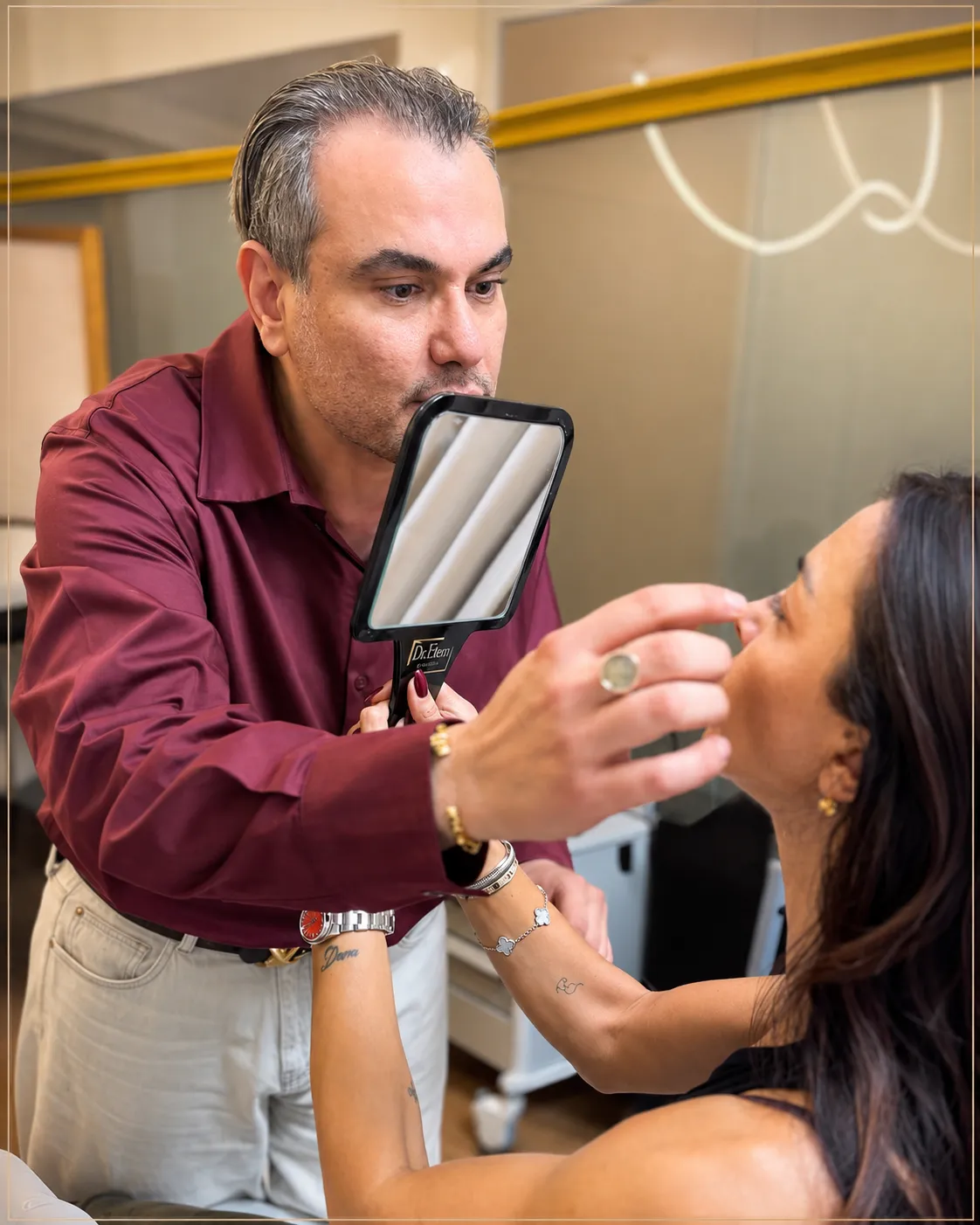
The Efem Method™ is the structured clinical approach Dr Abdurrahman Efem uses when assessing facial and body aesthetic concerns, selecting treatments and planning care over time. It places particular emphasis on anatomy, tissue quality, realistic expectations, avoiding unnecessary intervention and preserving a natural appearance.
Medical aesthetics is still medicine. It is more than applying injectables or operating a device. A recommendation should consider anatomy, tissue quality, medical history, expectations and whether the proposed treatment is likely to offer a meaningful benefit.
For that reason, the first question is not simply “Which treatment would you like?” The more useful questions are often: What is bothering you? What may be contributing to it? And how much intervention is actually appropriate?
The Efem Method™ in 60 Seconds
Six Parts of the Assessment
1. Understanding You First
Relevant medical history, lifestyle, previous treatments, expectations and personal goals are considered before treatment planning.
2. Looking for the Underlying Cause
The requested procedure is not automatically assumed to be the solution. We first look at what may be causing the concern.
3. Looking at the Whole Picture
Facial proportions, volume and skin quality or, for body concerns, skin laxity, tissue quality and fat distribution may all be relevant.
4. Building an Individual Plan
Treatment sequence, timing, recovery, priorities and longer-term goals are considered together.
5. Using Only What Seems Necessary
The aim is not to maximise the number of treatments, but to find a measured approach that fits the actual need.
6. Thinking Beyond One Appointment
Planning also considers how natural appearance, skin quality and treatment choices may fit together over time.
Why We Do Not Always Quote a Treatment Immediately
The cost depends on what is actually being treated, and deciding that properly usually comes before discussing a final treatment plan.
For example, someone may contact us because they are considering Ultherapy for lower-face laxity. Assessment may suggest that mid-face volume, skin quality or another anatomical factor is contributing more strongly to the concern. In that situation, a different or more limited treatment may make more sense.
The same principle applies to body treatments. What looks like “loose skin” may involve skin quality, localised fat, tissue distribution or a degree of excess skin that requires a different category of treatment.
The useful question is not simply which treatment is available, but which treatment actually makes sense.
Photographs can sometimes support an initial discussion, particularly for international patients, but the final plan should be based on medical assessment rather than a treatment name alone.
Step 1
Understanding the Person Before the Procedure
Aesthetic assessment is not limited to looking at one area of the face or body. Understanding the person behind the concern is also part of responsible planning.
Relevant medical history, medication use, sleep, lifestyle, smoking, alcohol consumption, weight changes, physical activity and previous aesthetic procedures may influence treatment selection or recovery.
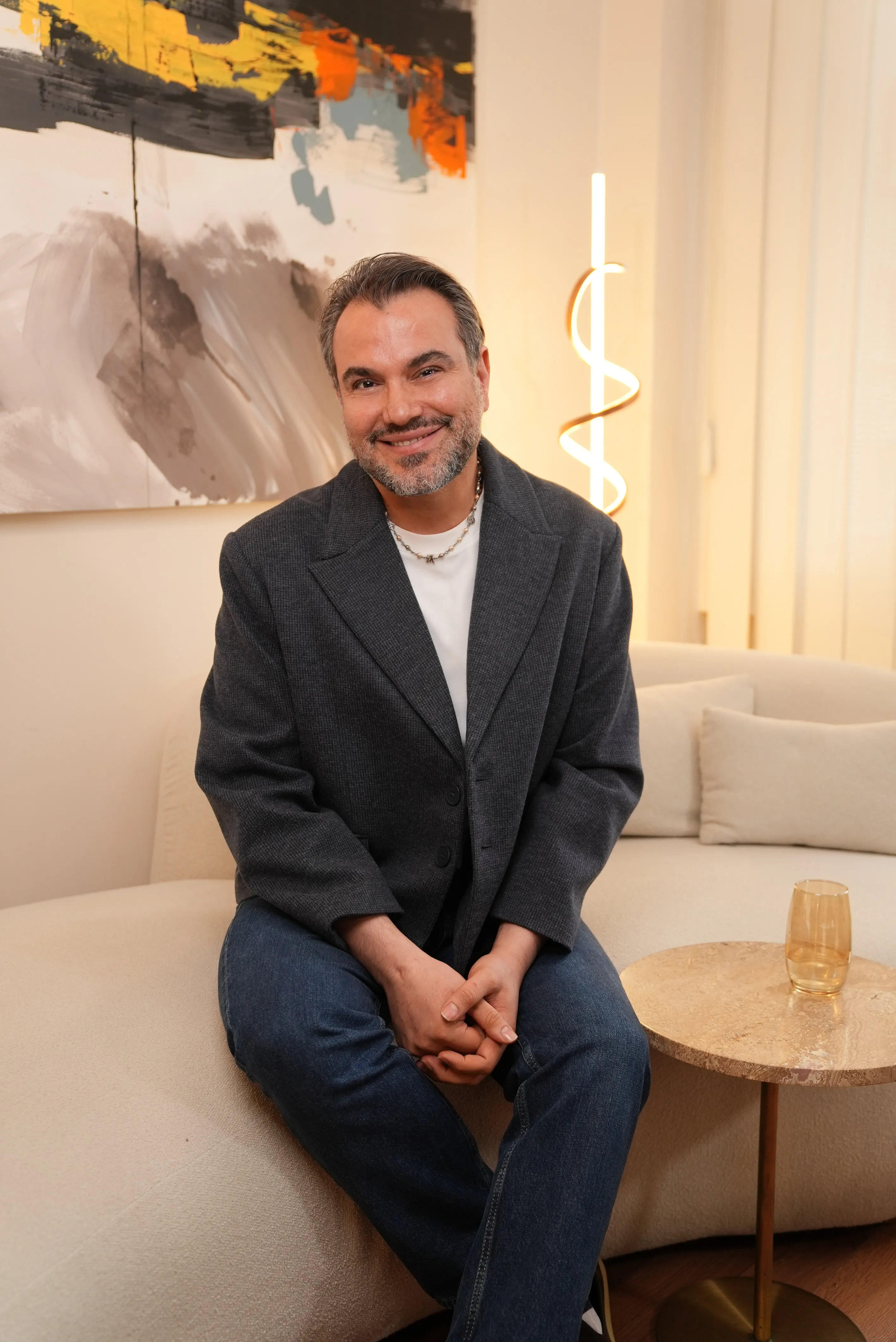
Dr Abdurrahman Efem’s background in clinical psychology can also contribute to communication, expectation management and understanding the motivation behind an aesthetic request. It does not replace psychological care; it simply adds another perspective to the consultation process.
Why Medical History Matters
Conditions such as lupus, rheumatoid arthritis, vitiligo, psoriasis, connective-tissue disorders or other immune-related conditions may influence aesthetic treatment planning. Their presence does not automatically mean treatment is impossible, but the timing, treatment type or precautions may need to change.
Where appropriate, information from the physician already managing a medical condition or relevant medical records may be requested before treatment.
Step 2
Understanding What May Be Behind the Concern
Patients often arrive with a treatment already in mind: filler, Ultherapy, under-eye treatment, a tightening procedure or a particular device they have seen online.
That treatment may be appropriate, but it may not address the main reason for the concern. Lower-face laxity can sometimes be influenced by mid-face changes. An under-eye concern may be affected by cheek support. A body-tightening request may involve skin, fat distribution or excess tissue in different proportions.
The patient describes what they notice. The physician’s role is to understand what may be contributing to it.
The Efem Method™ therefore begins with assessment before choosing a procedure. Treatment selection becomes more meaningful when the underlying problem has first been considered carefully.
Step 3
Looking Beyond a Single Area
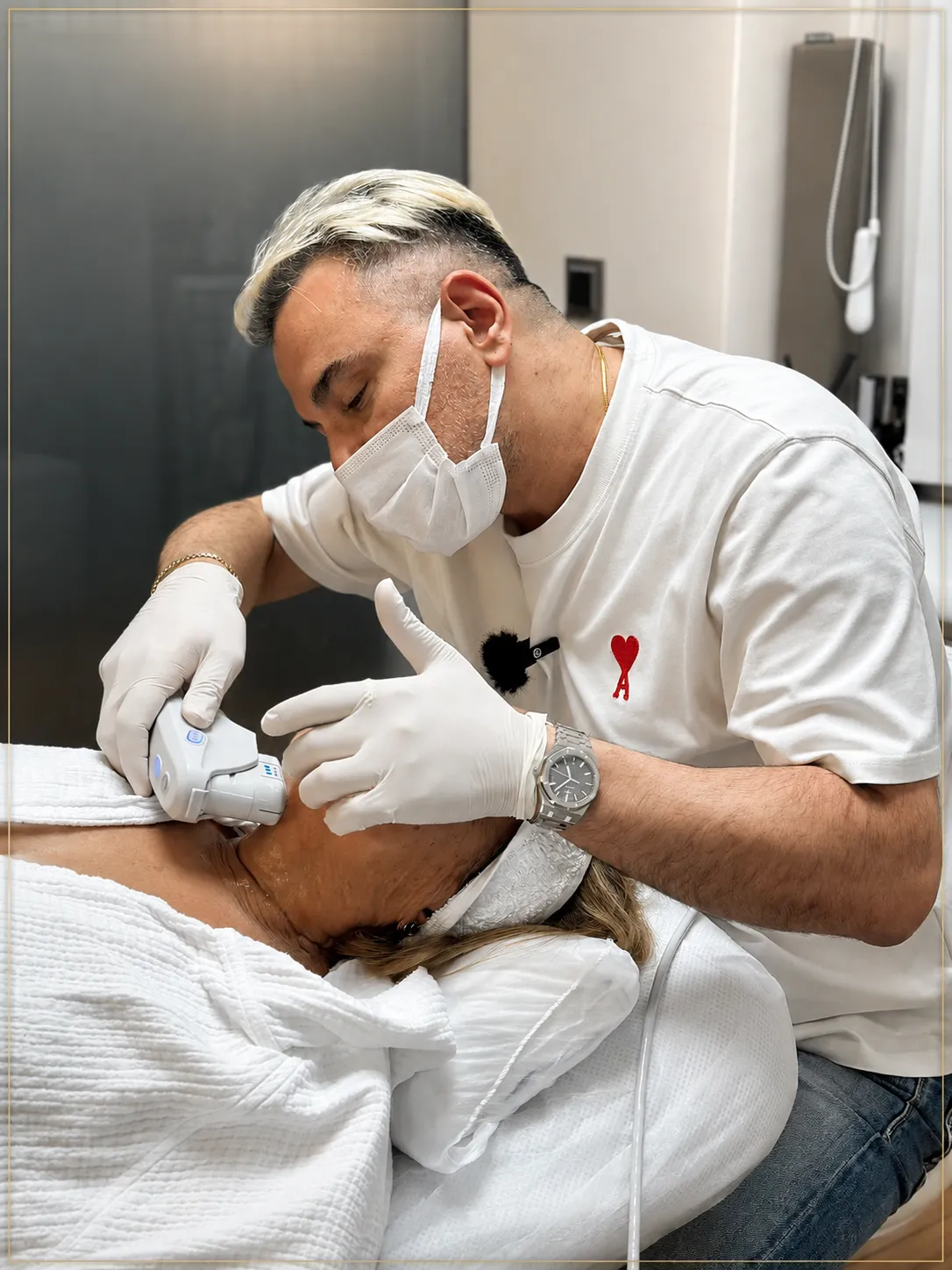
Facial features do not exist independently from one another. The chin can affect lip balance, the cheek can influence the under-eye region, and skin quality can change how the whole face is perceived.
The same principle applies to body treatments. Skin laxity, tissue quality, localised fat, weight history and structural factors may all contribute to the appearance of the abdomen, arms, thighs or other areas.
Natural-looking treatment is often less about changing one feature and more about respecting the person’s existing proportions.
Step 4
Building a Plan That Fits the Patient
A useful treatment plan is more than a list of procedures. Sequence, timing, recovery and realistic priorities can all influence the final recommendation.
Sometimes improving skin quality may be the first priority. In selected cases, technologies such as Morpheus8 may be considered. In other patients, volume support or another category of treatment may matter more. Sometimes one treatment is enough; in other cases, a gradual plan may make more sense.
Recovery time, lifestyle, budget, travel, important events and longer-term goals can all be part of the discussion.
Step 5
Using Only as Much Treatment as Seems Appropriate
In medical aesthetics, more treatment does not automatically mean a better result. A measured approach can be particularly important when the goal is to preserve natural expression and identity.
The aim is not to make a face look like a different face. It is to support a fresher, more balanced appearance while keeping the person recognisably themselves.
A good aesthetic result often looks less like “something was done” and more like the person simply looks well.
Step 6
Thinking Beyond the Immediate Result
The Efem Method™ is not intended as a one-appointment philosophy. Treatment choices can also be considered in the context of how the face, skin or body may change over time.
Sometimes treatment may be appropriate now. Sometimes waiting may make more sense. Sometimes another option is worth considering. There are also situations in which no intervention may be necessary.
A measured treatment at the right time may be more valuable than a stronger treatment chosen too early or for the wrong reason.
Physician Training & Device Experience
Knowing When Not to Use a Device Matters Too
Dr Abdurrahman Efem is involved in physician training for advanced energy-based aesthetic treatments. This role involves more than learning how to operate a device; it also reinforces a structured approach to anatomy, tissue layers, patient selection, indications and treatment sequencing.
Within The Efem Method™, technology is not the starting point. The concern is assessed first, and only then is it considered whether a device, injectable or another approach has a meaningful role.
The fact that a technology is available in the clinic does not mean it should be used for every patient.
Sometimes Less Treatment Is the Better Option
It may be technically possible to perform a treatment a patient requests. The more important question is whether that treatment is likely to offer a meaningful benefit.
If the expected benefit appears limited, we prefer to discuss that openly. If a different option seems more appropriate, that can be considered instead. And if no treatment appears necessary, saying so can also be part of responsible medical care.
Planning Around the Actual Need
A requested treatment is not automatically assumed to be the most appropriate treatment.
Thinking Beyond Trends
Popularity does not necessarily mean a treatment is right for an individual face, body or tissue concern.
A Measured Approach
The aim is to find a balanced plan rather than automatically increasing the number of procedures.
We believe trust is built not only through the treatments that are performed, but also through those that are not recommended when they are unlikely to add meaningful value.
Patient Privacy
Why We Do Not Routinely Publish Before-and-After Patient Photos
Patient privacy is important to us. For that reason, Efem Clinic does not routinely use patients’ before-and-after photographs as a marketing tool.
Every patient has different anatomy, skin quality, healing patterns and treatment responses. Lighting, camera angle, facial expression, posture, distance and the timing of a photograph can also change how a result appears.
We prefer to build trust through clear communication, realistic expectations, individual assessment and clinical judgement rather than through selected result photographs.
Long-Term Perspective
Ageing Well Is About More Than Looking Younger
Aesthetic medicine and healthy ageing increasingly overlap, but ageing well cannot be reduced to devices, injectables or one-off procedures.
Sleep, nutrition, stress management, skin health, muscle quality, lifestyle and treatment timing can all influence how a person looks and feels over time.
The Efem Method™ therefore considers not only “How can I look better today?” but also “How can I preserve a natural, healthy appearance over time?”
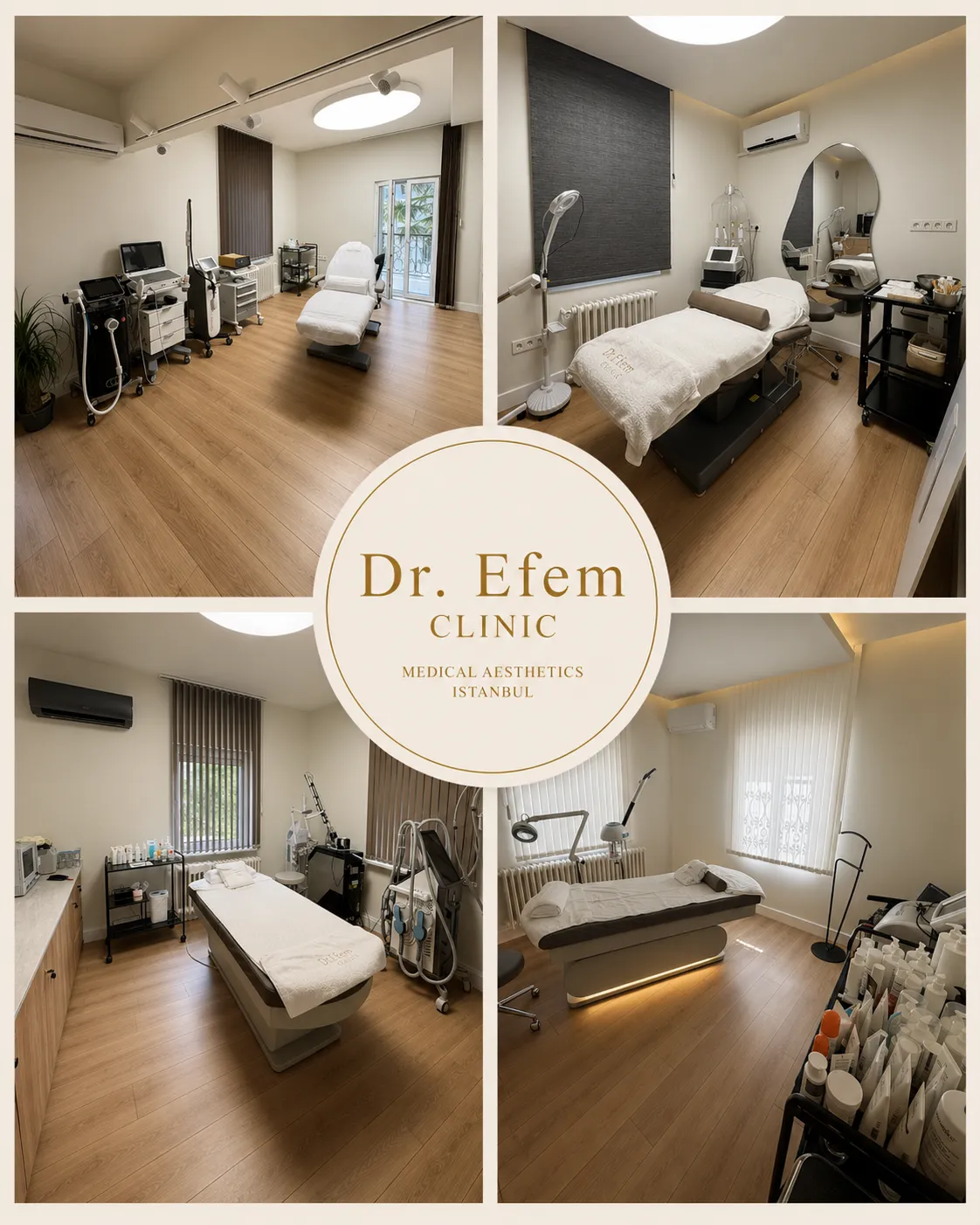
Our Clinical Perspective
What Shapes the Way We Plan Treatment
Frequently Asked Questions
Questions About The Efem Method™
Is The Efem Method™ a treatment?
No. It is not a single procedure or device. It is the assessment and treatment-planning approach used at Efem Clinic to understand the concern, consider the underlying need and build an individual plan.
Why might you not give a final price immediately?
Because the final cost depends on which treatment is actually appropriate. The treatment itself should follow assessment rather than being assumed from the first message.
Why may photographs be requested before I travel?
Photographs can support a preliminary discussion and help the clinic understand the main concern before an international patient travels to Istanbul. They do not replace an in-person medical assessment.
Could Dr Efem recommend something different from the treatment I requested?
Yes. If another option appears more appropriate, that can be discussed. In some situations, postponing treatment or not proceeding with treatment may also be reasonable.
Is The Efem Method™ only used for facial treatments?
No. The same assessment principles can be applied to facial medical aesthetics, skin-quality treatments, advanced energy-based devices and selected body-tightening or body-contouring concerns.
What do you mean by a natural-looking result?
A natural-looking result does not mean making someone look like a different person. The aim is generally to preserve individual features while supporting a more balanced, rested or refreshed appearance.
Why don't you routinely publish before-and-after photographs?
Patient privacy is important to us, and treatment outcomes vary between individuals. Lighting, camera angle, facial expression, posture and timing can also influence how before-and-after photographs are perceived. We therefore prefer to build trust through communication, realistic expectations and individual medical assessment.
How does Dr Efem's role in physician training influence the clinic approach?
Physician training in advanced energy-based treatments involves more than device operation. It requires a structured understanding of anatomy, tissue layers, indications, patient selection, treatment sequencing and safe application. Those same considerations are reflected in treatment planning at Efem Clinic.
The Efem Clinic Approach
Different Concerns Do Not Always Need the Same Treatment
Dr Abdurrahman Efem’s approach is not based on choosing the newest, strongest or most popular treatment. The aim is to understand what is actually contributing to the concern and build a plan that is measured, realistic and respectful of the patient’s natural appearance. Sometimes that means treatment; sometimes another option; and sometimes simply waiting.
Avoiding Unnecessary Treatment
The fact that a procedure can be performed does not always mean it needs to be performed. If the expected benefit is limited or another option appears more appropriate, we prefer to discuss that openly.
Preserving Natural Appearance
The intention is generally not to change a person’s identity or expression, but to support a balanced result that still looks recognisably like them.
Respecting Patient Privacy
We consider privacy an important part of the patient experience and therefore do not routinely use before-and-after patient images as marketing material.
Choosing the Right Time and Approach
Timing can matter as much as the treatment itself. In some situations, monitoring, delaying treatment or considering a different approach may be more appropriate than intervening immediately.
Dr Efem’s Approach
Treatment planning brings together anatomy, tissue quality, personal expectations and long-term natural appearance. The objective is not to maximise the number of procedures, but to identify where a measured intervention may genuinely add value.
About Dr. Abdurrahman Efem
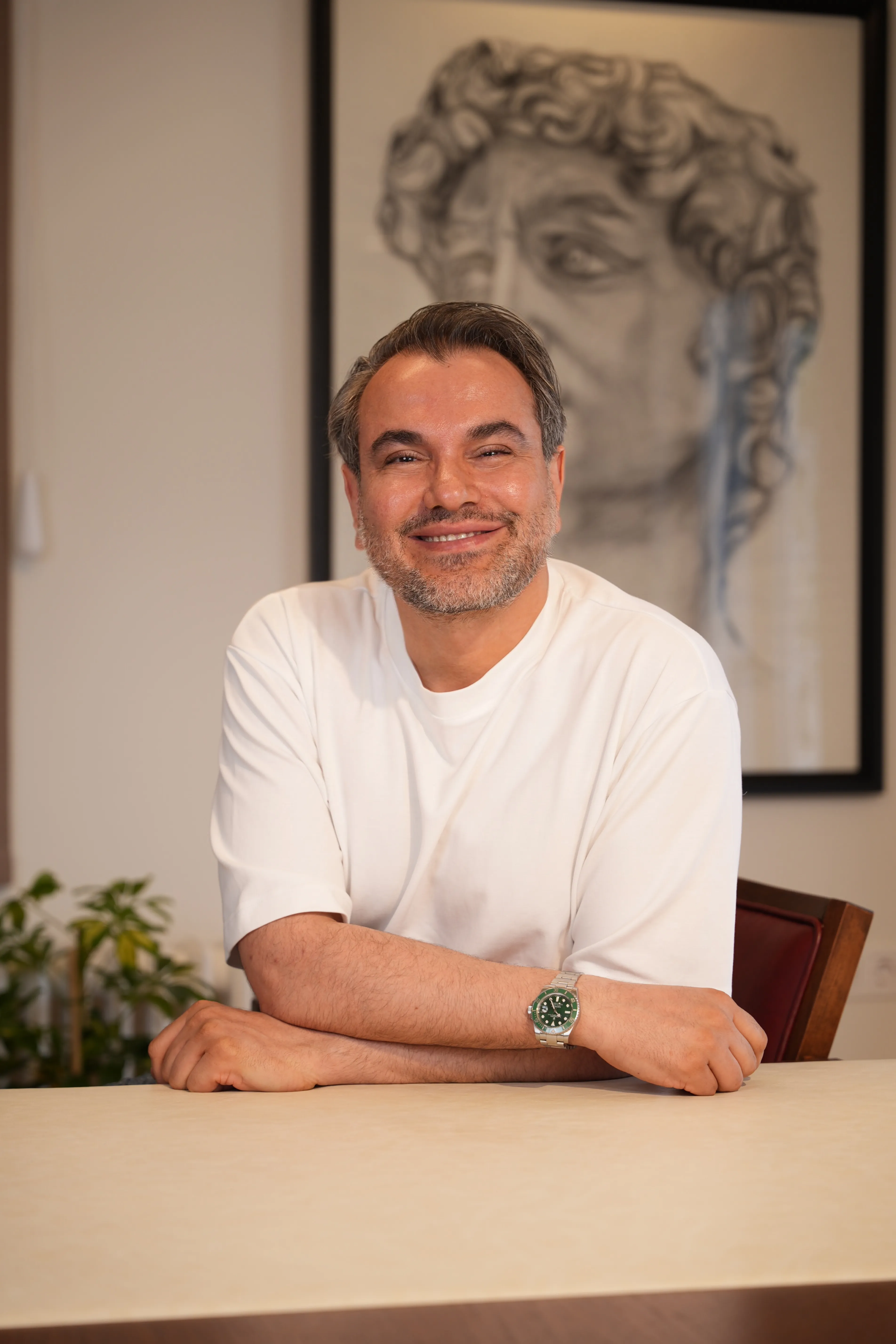
Dr. Abdurrahman Efem
Dr. Abdurrahman Efem is a medical aesthetic physician specializing in facial rejuvenation, non-surgical aesthetic treatments, and regenerative medicine. His approach focuses on enhancing natural beauty through personalized treatment plans designed around each patient's unique features and goals. Dr. Efem works with both local and international patients, emphasizing balanced, natural-looking results and long-term aesthetic wellbeing. This content has been prepared or medically reviewed by Dr. Abdurrahman Efem to ensure accuracy and relevance.