


Migraine-Related Treatment Istanbul | Chronic Migraine Support and Medical Aesthetic Planning

MIGRAINE-RELATED TREATMENT IN ISTANBUL
Careful Medical Planning for Muscle Areas Associated with Chronic Migraine
If you experience frequent migraine attacks, a high number of headache days or tension around the forehead, temples, scalp, neck and shoulders, migraine-related treatment may be considered only for suitable patients following a detailed medical assessment.
Migraine is a neurological condition. Injection-based treatments for headache complaints should therefore not be viewed as a routine, quick or universally suitable solution.
The Efem Clinic approach: The aim is not to treat every headache, but to carefully assess your headache pattern, previous diagnoses, current medication, accompanying symptoms and medical suitability for treatment.
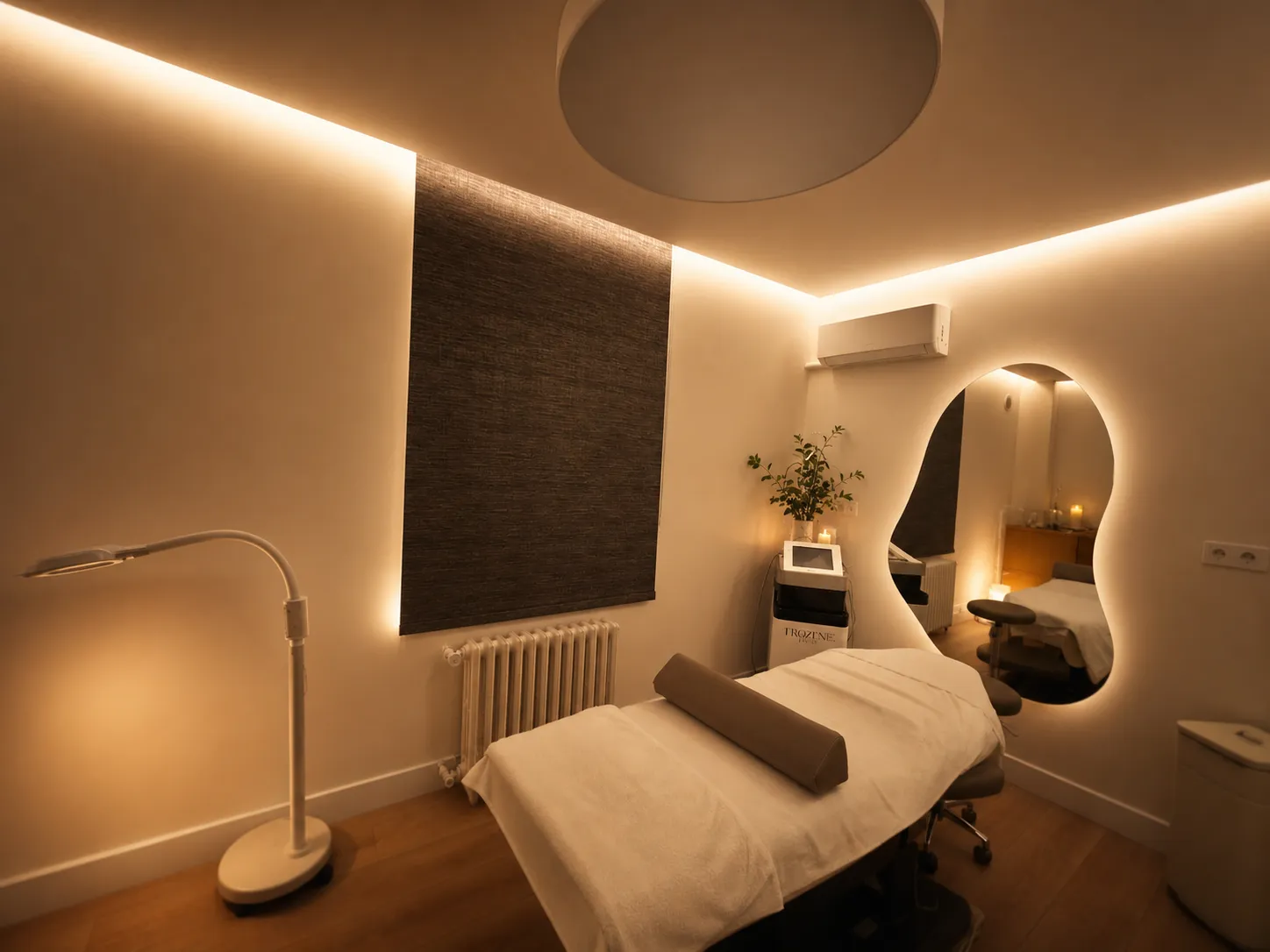
For a preliminary assessment, you may share your headache frequency, number of migraine days, current medication and any previous neurology reports. An online preliminary assessment does not replace an in-person medical examination.
Not every headache is migraine.
Treatment is mainly assessed in suitable chronic migraine patterns.
Medical history and safety factors guide the treatment plan.
It is not designed to stop an acute attack immediately.
Response is monitored with a headache diary and changes in symptoms.
In Brief
Chronic migraine is generally defined as having 15 or more headache days per month for longer than three months, with migraine features occurring on at least 8 of those days.
Botulinum toxin-based migraine treatments are not a standard approach for occasional mild headaches.
The treatment is preventive and does not stop an acute migraine attack immediately.
New, sudden or unusual headaches, particularly those accompanied by neurological symptoms, require urgent or neurological assessment first.
What Is Migraine-Related Treatment?
Migraine-related treatment is a preventive medical approach considered for selected patients when chronic migraine symptoms and relevant muscle areas around the head, neck or shoulders are medically significant.
This approach is not the same as cosmetic anti-wrinkle treatment. The goal is not to smooth the skin, but to monitor possible changes in headache frequency and quality of life in an appropriate chronic migraine pattern.
Concerns that may be assessed during consultation
- Frequent migraine or headache days
- A previous diagnosis of chronic migraine
- Migraine symptoms affecting work, sleep or daily life
- Migraine features such as sensitivity to light or sound, nausea and worsening with movement
- Associated tension around the forehead, temples, scalp, neck or shoulders
- Insufficient response to previous preventive treatments
- Realistic expectations and willingness to attend regular follow-up
Migraine Is More Than a Headache
In addition to throbbing pain, migraine may involve sensitivity to light and sound, nausea, vomiting, worsening with movement, visual symptoms, neck tension and reduced ability to carry out daily activities.
Pain may be one-sided or bilateral, throbbing or pulsating.
Light, sound or certain smells may worsen symptoms.
Nausea or vomiting may occur.
Tension around the neck and shoulders may accompany migraine.
Sleep, work, social activities and concentration may be affected.
Tension-type headache, medication overuse, dental and neurological causes should be differentiated.
Who May Be Suitable?
- People with a diagnosis of chronic migraine or strong clinical suspicion
- People experiencing a high number of headache days each month
- People whose migraine significantly affects work, sleep or daily life
- People who have already undergone medical or neurological assessment
- People who have responded inadequately to previous preventive treatments
- People willing to attend regular follow-up and keep a headache diary
- People who understand that results develop gradually and vary between individuals
Who May Not Be a First-Line Candidate?
- Occasional mild headaches
- A new, sudden or the most severe headache of the person’s life
- Weakness, speech disturbance, altered consciousness or new neurological symptoms
- Fever, neck stiffness, fainting or headache following trauma
- Uncontrolled medical conditions or certain neuromuscular disorders
- Pregnancy or breastfeeding
- Absence of an appropriate migraine diagnosis or headache assessment
- Expectation of an immediate and guaranteed solution
Medical Assessment Comes First for a New or Unusual Headache
If your headache began suddenly, is significantly different from your usual headaches or is accompanied by neurological symptoms, urgent or neurological assessment should be sought instead of an aesthetic-clinic appointment.
Migraine-Related Treatment Is Not the Same as Cosmetic Anti-Wrinkle Treatment
Cosmetic Anti-Wrinkle Treatment
- Forehead and frown lines
- Lines around the eyes
- Natural facial-expression balance
- Aesthetic softening
Migraine-Related Treatment
- Chronic migraine pattern
- Headache frequency
- Head-, neck- and shoulder-related areas
- Medical suitability and follow-up
For cosmetic goals, you may read our anti-wrinkle treatment guide. If jaw clenching and masseter tension are the dominant concerns, view our masseter treatment guide.
How Does the Treatment Work?
The effect of migraine-focused botulinum toxin treatment cannot be explained only by muscle relaxation. Medical sources indicate that treatment may help reduce the release of certain nerve signals and chemical mediators involved in pain transmission.
For the patient, the practical meaning is that the treatment is preventive, does not immediately stop an acute attack and must be assessed over time.
It is not used to stop an acute migraine attack immediately.
Changes are assessed during the first weeks and throughout follow-up.
Intervals of approximately 12 weeks may be considered in suitable cases.
The number of headache and migraine days is monitored.
A Layered Approach: What Else Should Be Assessed?
Migraine, tension-type headache, medication overuse and other causes should be differentiated.
Sleep, stress, hydration, hormonal patterns, screen exposure and medication use should be reviewed.
Jaw clenching, bruxism, posture and neck-and-shoulder tension should be assessed separately.
Neurological assessment takes priority when red-flag symptoms or an uncertain diagnosis are present.
How Is Migraine-Related Treatment Planned?
Frequency, duration, location of pain, accompanying symptoms and triggers are recorded.
The chronic migraine pattern and possible red flags are reviewed.
Head, neck and shoulder areas are planned according to the medical protocol and anatomy.
Personalised aftercare instructions are provided.
The headache diary, symptom severity and daily functioning are assessed.
What Does the Treatment Feel Like?
Treatment is performed with small injections in selected areas. Brief stinging, pressure, tenderness or mild discomfort at the treatment site may be felt.
Certain areas, including the scalp, neck and shoulders, may be more sensitive. It would not be accurate to describe the procedure as completely sensation-free.
Recovery and Return to Daily Life
Temporary redness, small treatment marks or tenderness may occur.
Mild discomfort, bruising, neck tenderness or a temporary feeling of heaviness may occur.
Most patients can resume normal activities shortly afterwards, while following their personalised aftercare instructions.
Effect and tolerability are assessed through the headache diary and changes in symptoms.
When Are Results Seen?
Migraine-related treatment is not an immediate painkiller. Some patients may notice changes during the first weeks; longer follow-up and repeated treatment cycles may be required for a more meaningful assessment in suitable patients.
Results vary between individuals. Assessment should not rely only on pain severity, but also on the number of headache days, migraine days, medication use and daily functioning.
How Long Does the Effect Last?
The duration of effect may vary according to the migraine pattern, response to treatment, area and dose planning, metabolism, medical history, other migraine treatments and lifestyle factors.
Intervals of approximately 12 weeks or three months are commonly considered in chronic migraine protocols. Repeat treatment should not be automatic; it should be determined according to previous response and medical suitability.
Is Migraine-Related Treatment Safe?
This is a medical treatment. Appropriate patient selection, anatomical knowledge, product quality, careful planning and follow-up are important for safety.
Possible temporary effects and risks
- Pain, tenderness or bruising at the treatment site
- Headache or neck discomfort
- Temporary muscle weakness
- Temporary asymmetry or changes affecting the eyebrow or eyelid if facial areas are involved
- A more limited response than expected
- Need for additional medical assessment
Personalised Pricing and Session Plan
The cost of migraine-related treatment may vary according to the medical assessment, selected product, overall plan, treatment areas and follow-up requirements. The final plan is determined after the suitability assessment.
Request Pricing and Planning InformationPlanning for International Patients
Efem Clinic is located in Levent, Istanbul, close to Etiler, Bebek, Maslak and central business districts. International patients may share their headache diaries, previous diagnoses and treatment information before travelling.
The final treatment decision is made after an in-person medical assessment. A neurology opinion may be requested first for patients with new or previously unevaluated neurological symptoms.

DOCTOR-LED MEDICAL PLANNING
Personalised Assessment with Dr Abdurrahman Efem
At Efem Clinic, migraine-related treatment is planned by assessing the headache pattern, migraine characteristics, current medication, previous treatments, muscle tension and safety factors together.
The aim is not to treat everyone who experiences headaches, but to identify patients who are medically suitable and establish realistic expectations.
When neurological assessment is more appropriate or treatment is not suitable, this is explained clearly.
Patient Monitoring: More Meaningful Measurements Than Before-and-After Photographs
Migraine-related treatment is not assessed through standard aesthetic before-and-after photographs. More meaningful monitoring methods include the number of headache days, migraine days, medication use, effects on work or social life and patient-reported quality of life.
A headache diary may help demonstrate changes before and after treatment more objectively.
Related Treatments and Guides
Frequently Asked Questions About Migraine-Related Treatment
What is migraine-related treatment?
It is a preventive treatment approach in which selected head-, neck- and shoulder-related areas are planned after medical assessment in suitable patients with a chronic migraine pattern.
Is it suitable for every headache?
No. It is not a standard treatment for occasional mild headaches. The type of headache and suitability for chronic migraine treatment must be assessed.
What is chronic migraine?
It is generally defined as having at least 15 headache days per month for longer than three months, with migraine features on at least 8 of those days.
Does it stop a migraine attack immediately?
No. It is preventive and is not intended to stop an acute migraine attack immediately.
Is it the same as cosmetic anti-wrinkle treatment?
No. The purpose, treatment areas, dosing principles, suitability criteria and follow-up methods are different.
Is a neurology assessment required?
A neurological or urgent assessment should come first for new, severe or unusual headaches, or headaches accompanied by neurological symptoms.
Is the procedure painful?
Brief stinging, pressure, tenderness or mild discomfort may be felt. Sensation varies according to the treatment area and individual sensitivity.
How many sessions are needed?
Follow-up is performed after the initial session. Repeated cycles at intervals of approximately 12 weeks may be considered in suitable patients.
When are results seen?
Some patients may notice changes during the first weeks. Time and regular follow-up are required for a more meaningful assessment.
How long does the effect last?
Duration varies according to individual response. Intervals of approximately 12 weeks are commonly considered in chronic migraine protocols.
Is there any downtime?
Most patients can resume daily activities shortly afterwards. Redness, tenderness, bruising or neck discomfort may occur.
Can there be side effects?
Pain or bruising at the treatment site, headache, neck discomfort, temporary muscle weakness or a limited response may occur.
Should I continue taking my migraine medication?
Only change your medication on the advice of the doctor managing your condition. This treatment does not automatically replace an existing neurological treatment plan.
Why is a headache diary important?
It helps monitor headache days, migraine days, medication use and the effect on daily life, allowing treatment response to be assessed more objectively.
Can jaw clenching affect migraine?
Jaw clenching and masseter tension may be contributing factors in some patients; however, migraine and bruxism should be assessed separately.
Can treatment be performed during pregnancy?
Treatment is generally postponed during pregnancy and breastfeeding. Individual circumstances should be assessed by a doctor.
What should I bring to the consultation?
It may be helpful to bring your headache diary, previous neurology reports, current medication list, previous treatment information and relevant test results.
What affects the price?
Price may vary according to the medical assessment, treatment protocol, areas treated, product amount and follow-up requirements.
How long should international patients stay?
Treatment may be planned within a short clinic visit for suitable patients. The required stay may change if additional neurological assessment or follow-up is needed.
What happens if the treatment is not suitable?
Referral for neurology, emergency medicine, dentistry, physical therapy or another medical assessment may be recommended.
Doctor’s Note
The most important step in migraine-related treatment is not assuming that every headache is migraine. New or unusual symptoms require an appropriate medical assessment first.
When a chronic migraine pattern is present and treatment is medically suitable, planning may proceed with realistic expectations and regular follow-up.
Dr Abdurrahman Efem
MIGRAINE-RELATED TREATMENT CONSULTATION
Identify the Right Medical Path for Your Headache Pattern
The first step is not deciding to undergo treatment immediately, but understanding your headache type, frequency and whether this treatment is medically appropriate for you.
About Dr. Abdurrahman Efem

Dr. Abdurrahman Efem
Dr. Abdurrahman Efem is a medical aesthetic physician specializing in facial rejuvenation, non-surgical aesthetic treatments, and regenerative medicine. His approach focuses on enhancing natural beauty through personalized treatment plans designed around each patient's unique features and goals. Dr. Efem works with both local and international patients, emphasizing balanced, natural-looking results and long-term aesthetic wellbeing. This content has been prepared or medically reviewed by Dr. Abdurrahman Efem to ensure accuracy and relevance.